

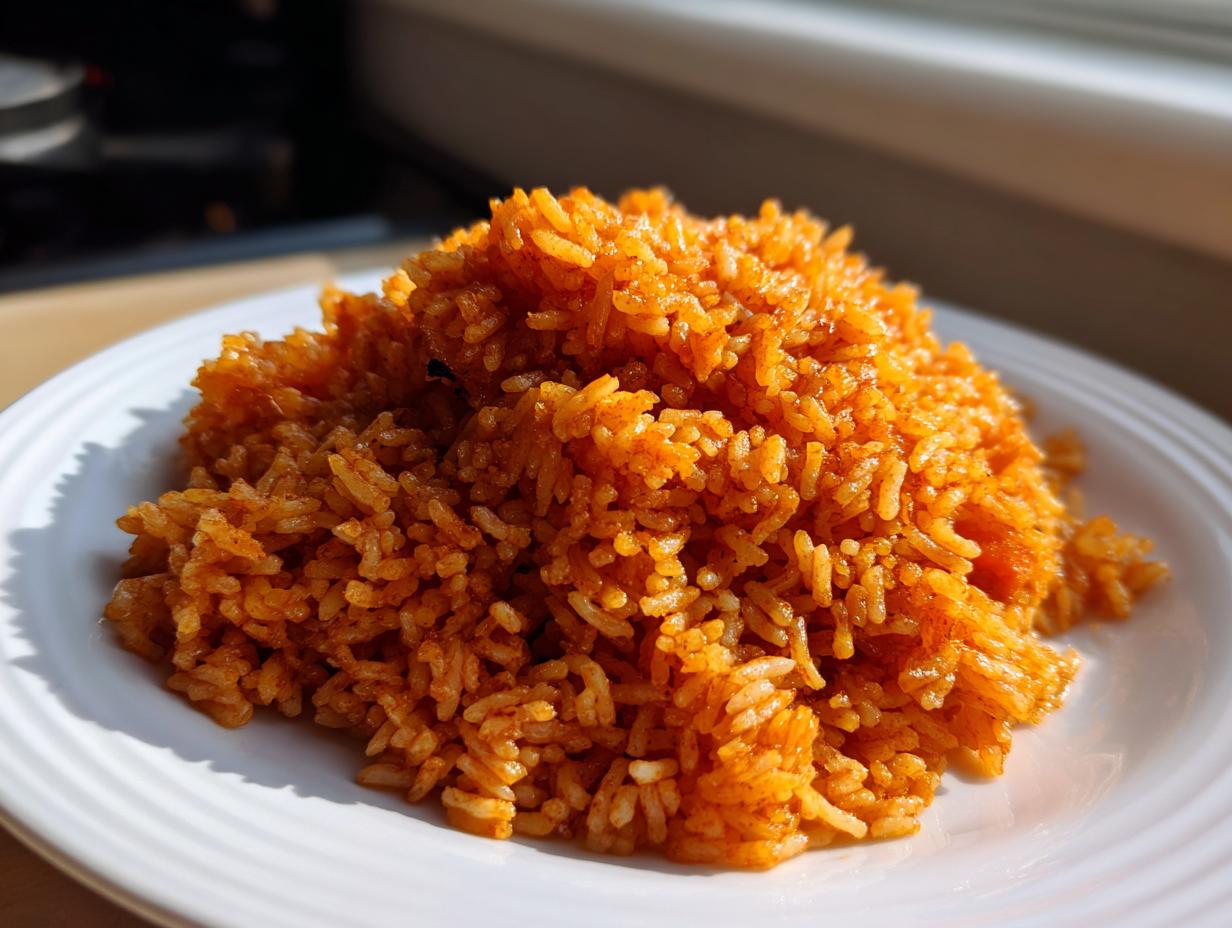
When you decide to explore the incredible world of West African cuisine, you simply have to start with Jollof Rice. Seriously, this dish is legendary! It’s more than just rice; it’s a celebration packed into one pot. I’ve spent ages testing classic international comfort food recipes here at HearthBite, and I promise you, this Nigerian Jollof Rice recipe is the benchmark. It delivers that rich, deeply flavorful, tomato-infused experience every time. Forget fussy side dishes; this flavorful, one-pot rice meal is what you serve when you want people to come back for seconds—and trust me, they will!
It’s the kind of reliable, deep-flavored dish that brings everyone together, just like my mother’s best comfort food recipes.
- Why This Nigerian Jollof Rice Recipe Stands Out
- Essential Ingredients for Flavorful African Cuisine
- How to Make Jollof Rice: Step-by-Step Instructions
- Tips for Perfect Smoky Jollof Recipe Success
- Nigerian Jollof Rice vs. Ghanaian Jollof Rice Guide
- Serving Suggestions for Your Crowd Pleasing Rice Side Dish
- Storage and Reheating Instructions for Leftover Jollof Rice
- Frequently Asked Questions About Jollof Rice
- Estimated Nutritional Data for This Jollof Rice
Why This Nigerian Jollof Rice Recipe Stands Out
I know there are a million recipes out there for jollof rice, but what makes this one different? Well, I tested batch after batch, trying to capture that irresistible flavor you only get at a real celebration! This isn’t just about cooking rice; it’s about building incredible depth so even beginners can nail that authentic taste. I didn’t stop until I was sure this was an Authentic Jollof Rice recipe that anyone could manage.
Here’s what sets this specific process apart:
- It guarantees the iconic smoky party flavor!
- It’s intentionally designed to be manageable, even if you’re making it for the first time.
- It keeps cleanup minimal, which is always a win, as it’s a fantastic one pot rice meal.
Achieving the Signature Smoky Jollof Rice Flavor
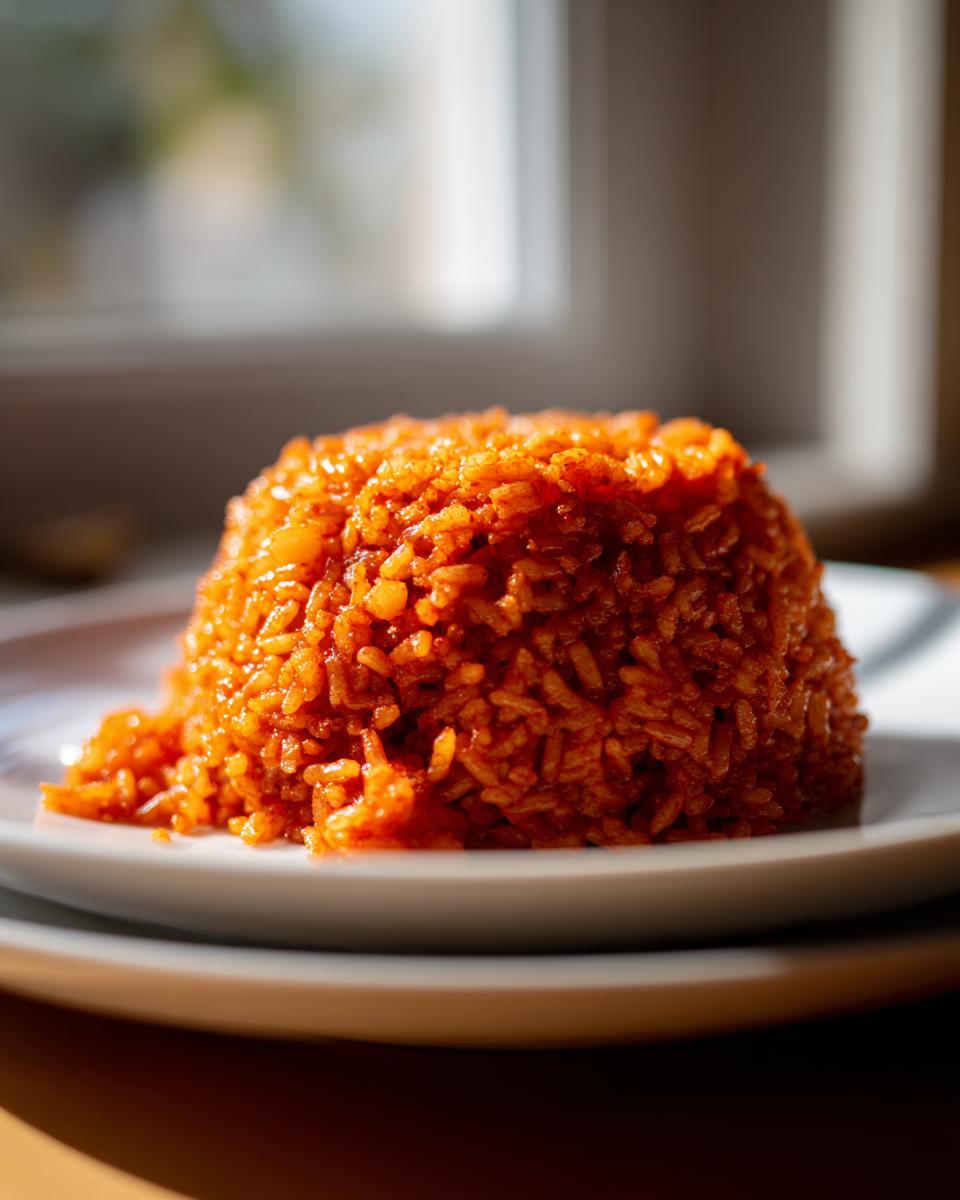
That smoky note everyone craves isn’t magic; it’s technique! The key starts when we really cook down that tomato paste until it goes dark—don’t rush that step! Then, for that next-level depth in the stew base, we briefly expose the simmering sauce to direct heat to give it that subtle char. That brief, controlled scorching is what mimics the flavor of rice cooked over an open fire. It’s the best trick for making your jollof rice taste like it came straight from a Nigerian party!
A True One Pot Rice Meal Experience
Honestly, I love anything that saves me dishwashing time. This recipe truly shines as a One pot rice meal. Everything—from browning the chicken to cooking the peppers and finally steaming the rice—happens right there in that heavy-bottomed pot. Once you seal that lid tight with foil, you walk away until it’s done steaming. It’s simple, it’s satisfying, and it proves you don’t need complication for incredible results!
Essential Ingredients for Flavorful African Cuisine
You can’t fake flavor in jollof rice, period. That vibrant red color and deep, savory base all come down to using the absolute right components cooked the right way. When I was developing this Authentic Jollof Rice recipe, I focused heavily on the sauce base because that’s where all that incredible flavor—and that beautiful color—lives. Think of this list as the non-negotiable foundation for truly memorable Flavorful African cuisine. We’re making this hearty, easy quick and easy dinner truly shine!
Here is what you need to gather for your masterpiece:
- Protein Base: 1.5 lbs chicken pieces (or whatever protein you love!)
- The Pepper Base: 4 large ripe tomatoes, 2 red bell peppers, 1 scotch bonnet pepper (be brave, but you can dial this back!), 2 large onions (one for blending, one for sautéing), 4 cloves garlic, and 1 inch ginger.
- The Rice Staple: 3 cups long-grain parboiled rice. You absolutely must rinse this!
- Aromatics & Seasoning: 2 teaspoons dried thyme, 2 teaspoons curry powder, 1 teaspoon salt (taste as you go!), 1/2 teaspoon ground black pepper, 2 bay leaves, and optionally, 1 teaspoon smoked paprika for that extra kick.
- Fats & Liquids: 1/2 cup vegetable oil and 1/4 cup tomato paste. Plus, 4 cups of chicken stock for cooking the rice.
Ingredient Notes and Substitutions for Jollof Rice
Let’s talk specifics, because ingredient quality matters here. First, the rice: I always use long-grain parboiled rice. Why? It holds up so much better during that long steam, keeping the grains separate instead of turning into mush. It is an essential part of making great jollof rice!
Now, liquids. If you don’t have homemade chicken stock—and who always has it ready?—don’t sweat it! Water works fine, but here’s my trick: use water and toss in a good quality bouillon cube or powder if you have one on hand. It deepens the flavor instantly, making up for any lack of stock. If you are aiming for a vegetarian jollof rice, just skip the chicken browning and use vegetable stock instead. The foundational tomato-pepper base is so powerful, you won’t even miss the meat!
A little note on the heat: that scotch bonnet pepper is key for that traditional West African zest, but if you’re nervous, just blend in half, or even use a milder red chili for color and skip the seeds where most of the fire lives. You want flavor, not an emergency!
How to Make Jollof Rice: Step-by-Step Instructions
Okay, buckle up, because this is where the magic really happens! Making jollof rice is all about layering flavors in the right order. If you follow these steps exactly—especially the timing—you’re going to get that restaurant-quality result inside a heavy pot right on your stovetop. Don’t worry; I’ve broken down the process so it’s totally foolproof. This is how we ensure you skip past the beginner stage and straight into making that amazing quick and easy dinner.
Building the Rich Tomato Base for Jollof Rice
First things first: we need that amazing stew base. Take your chopped onion, tomatoes, peppers, ginger, garlic, and half an onion, and blend them until they are absolutely smooth. Now, head over to your pot. We need that 1/2 cup of oil nice and hot. Sauté that remaining diced onion until it starts to get sweet and soft. Then comes the step for the ultimate Vibrant Jollof rice color: the tomato paste!
You must fry that paste for a solid 3 to 5 minutes, stirring constantly. I mean it—it needs to darken significantly and smell robust. If you pull it out too soon, your rice will look pale, and it won’t taste right. After the paste is deep red, pour in your blended pepper mix, add your seasonings (thyme, curry, bay leaves—save the salt check for later!), and let this whole sauce simmer down. We want it thick! This reduction process concentrates all the flavor we need for fantastic Flavorful African cuisine.
The Best Jollof Rice Technique: Steaming for Fluffiness
Once your stew base looks thick, return your seared chicken (if using) to bath in that gorgeous sauce. Now, rinse your parboiled rice until the water running off is nearly clear—this is crucial so we don’t get gummy rice! Stir that rinsed rice right into the sauce until every single grain is coated in that glorious red mixture. You want the liquid to come just barely above the rice level; too much liquid equals soup, not jollof rice.
This is the most important part of the **Best Jollof rice technique**: sealing the deal! Cover the surface of the rice tightly with a sheet of aluminum foil first. Then, put the pot lid on top, sealing it completely. Turn your heat down to the absolute lowest setting your stove can manage. Let this steam undisturbed for 25 to 35 minutes. Don’t peek, don’t stir! That trapped steam is what cooks the rice perfectly evenly. If you listen closely at the end, you’ll hear that satisfying, slightly crackly sound at the bottom—that’s the crust forming, which we all love in authentic Nigerian party rice!
Tips for Perfect Smoky Jollof Recipe Success
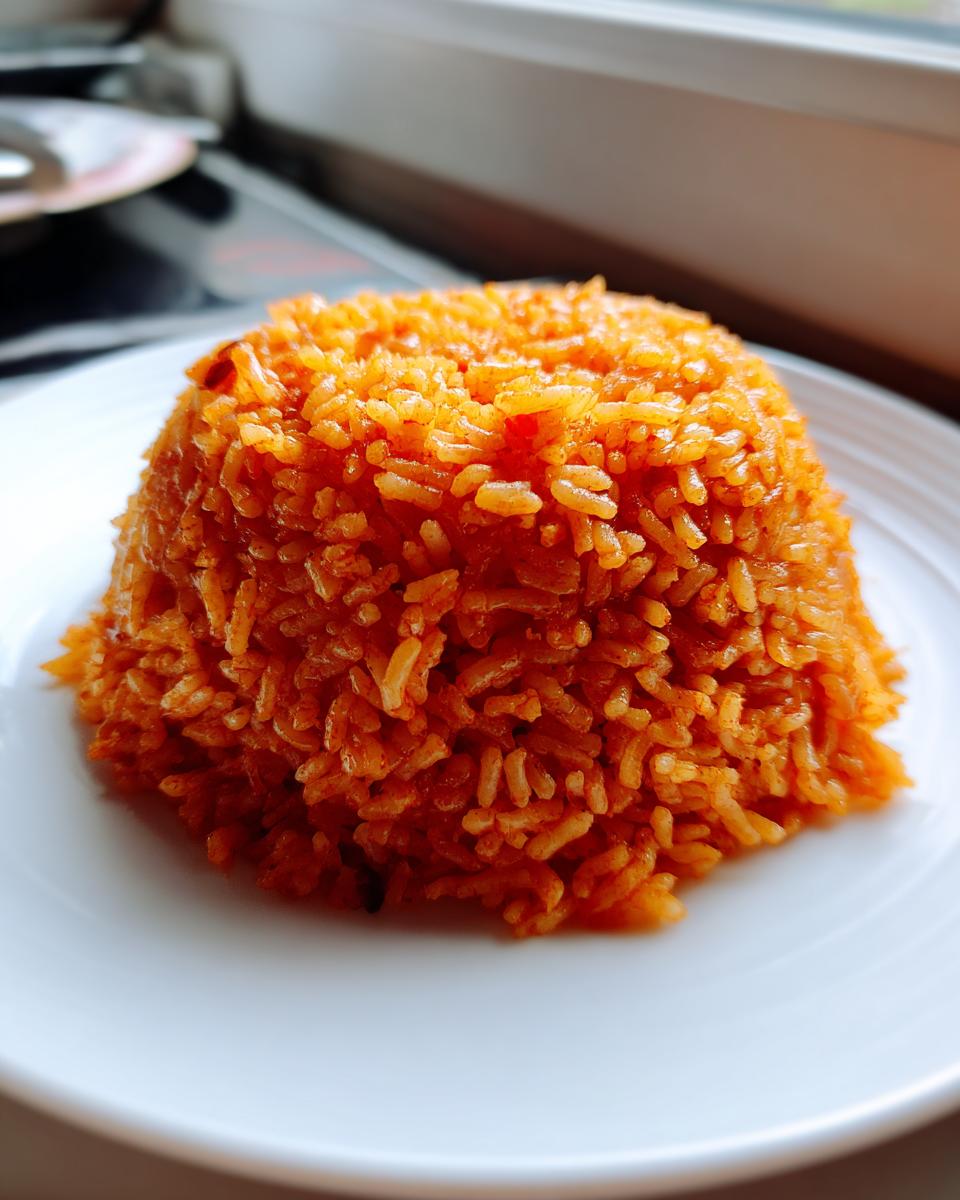
Even when you follow the steps perfectly, sometimes **jollof rice** can be a little tricky! That’s why I always keep a few extra tricks up my sleeve. These little nuggets of wisdom are what took my rice from just “good” to “I need that recipe immediately” levels of delicious. Seriously, these tips are game-changers for making a consistently great batch of this Smoky Jollof recipe.
When it comes to making the ultimate West African rice dish, these small details make the biggest difference:
- Go Heavy Bottomed or Go Home: Listen, if you only make **jollof rice** once a year, you might think any pot will do. Wrong! You need a heavy-bottomed pot, like cast iron or something thick. Why? Because this helps conduct heat evenly across the bottom. Remember that smoky crust we love? A thin pot guarantees scorching in one spot and undercooked rice in another. A heavy pot gives you that even, coveted ‘party bottom’ crust.
- Rinsing is Non-Negotiable: I touched on this earlier, but I need to shout it out again! You must rinse the parboiled rice until the water runs almost clear. This removes excess starch. If you skip this, your final product just won’t have the fluffy, separate grains required for good Nigerian party rice. It ends up sticky, and that’s just sad.
- The Foil Seal: People try to skip this, but please don’t! The aluminum foil placed directly between the pot and the lid creates a super-tight seal. This traps every bit of steam necessary to cook the rice gently and evenly from the top down. If steam escapes, the rice on top stays hard while the bottom burns waiting for the steam to finish the top layer. It’s the secret to even cooking in this One pot rice meal.
Since this recipe is so flavorful, you might be tempted to try making massive batches for your next gathering! If you do, remember that larger quantities need slightly more liquid and definitely more time to steam through. Don’t be afraid to check halfway through if you double the recipe, but only once!
These tested methods ensure you get the best flavor from your ingredients and avoid common pitfalls when preparing this incredible spicy rice recipe.
Nigerian Jollof Rice vs. Ghanaian Jollof Rice Guide
Okay, I know as soon as you start looking up recipes, the big argument pops up: Nigerian versus Ghanaian. It’s like a friendly (but very passionate!) sibling rivalry in the world of West African food! Since the recipe I shared uses the richer, deeper, smoky stew base method, we’ve made the Nigerian style, which is fantastic for parties because it handles crowds so well. It definitely fits the bill for that amazing Nigerian party rice!
So, what’s the deal with the Ghanaian Jollof rice guide variations? Generally speaking, most people agree that Ghanaian Jollof tends to have a slightly tangier, maybe even sweeter, flavor profile. Often, they use a different ratio in their base—sometimes less tomato paste relative to the amount of fresh tomatoes, which can result in a slightly brighter red color rather than that deep, dark red we chase for the smoky taste.
Another big difference people talk about is the cooking texture. While my Nigerian version relies on that intense steam seal to cook the rice slowly and evenly, Ghanaian cooks sometimes opt to cook the rice directly in the stew base, stirring more frequently. That stirring technique actually helps release a bit more starch, giving Ghanaian Jollof a slightly softer, creamier consistency, almost like a risotto, compared to our fluffier, separate grains.
But honestly? Both versions lead to an incredibly Flavorful African cuisine staple. If you want deep smoke and separation, stick with mine! If you want vibrant color and something a little softer, I highly encourage you to check out some authentic Ghanaian methods—you can learn more about how they nail that iconic flavor profile over at this excellent guide. It all comes down to what you prefer on your plate!
Serving Suggestions for Your Crowd Pleasing Rice Side Dish
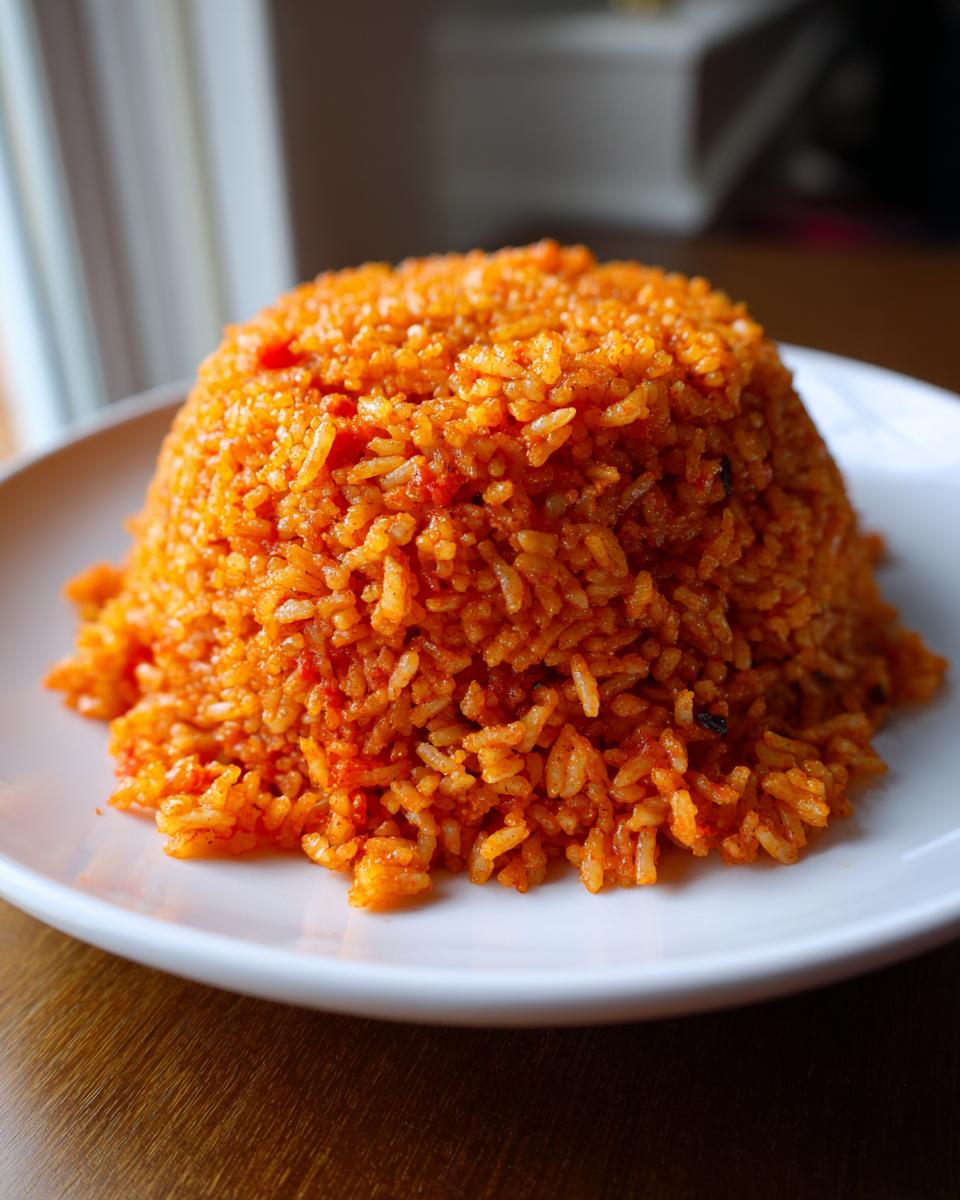
The beautiful thing about this Nigerian jollof rice is that while it’s exciting enough to be the star of the show, it plays incredibly well with others! It’s robust, savory, and bold, so it shines best next to things that offer a little textural contrast or coolness. If I bring this to a gathering, people know it’s going to be the best **Crowd pleasing rice side dish** on the table, but you need the right supporting cast!
When I make a big batch of this savory tomato based rice recipe, here are the things I always have ready to go alongside it. These pairings just sing together; trust me on this one!
- Fried Plantains (Dodo): This is mandatory! The subtle sweetness and soft caramelization of ripe fried plantains balance the savory, spicy notes of the jollof rice perfectly. It’s the classic pairing for a reason. If you’re perfecting this dish, you must master the plantains too!
- Crispy Protein: Whether you cook your chicken right in the pot or you prefer to grill or fry it separately, having that crispy skin or exterior is essential. Grilled fish or perfectly seasoned turkey wings also work wonders next to this rice. The texture contrast is just heavenly.
- Cooling Elements: Because this is a flavorful, sometimes spicy dish, something cool and creamy cuts through the richness beautifully. A simple, crisp coleslaw made with a tangy dressing is amazing. Or, if you’re looking for something richer, a small dollop of yogurt mixed with a squeeze of lemon juice works perfectly to soothe the palate.
- A little extra crunch: Sometimes I whip up a batch of skillet cornbread just for that buttery, crumbly texture alongside. It sounds unexpected, but the slightly sweet, crusty bread soaks up any extra sauce beautifully!
Honestly, no matter what you pair it with, once that beautiful aroma of spiced rice hits the room, everyone will gather around. This is what good, honest African food staples are all about—making simple meals feel like a giant celebration!
Storage and Reheating Instructions for Leftover Jollof Rice
If you’re anything like me, you probably made way too much because you knew this jollof rice would be even better the next day—and you were right! This is truly one of the best things about making a big batch of this West African rice dish; it doubles as the most satisfying Meal prep rice dish imaginable. Seriously, the flavors settle overnight, making it even deeper and richer, like the spices have had a long, cozy conversation.
But we have to store it correctly so we don’t ruin that perfect texture we worked so hard for! Don’t just throw it in a flimsy container uncovered; that guarantees dry, sad rice the next day. Here’s how I keep my leftovers tasting almost as good as fresh:
- Cool Down First: Let the finished jollof rice cool down on the counter for about an hour until it’s just warm, not piping hot. Sticking hot food directly into the fridge can mess with the temperature of other foods, and we don’t want that.
- Seal It Up Tight: Transfer any leftovers into a shallow, airtight container. Shallow is key because it helps the rice cool down faster and more evenly in the fridge. I find that airtight containers really lock in that moisture, which keeps the grains fluffy.
- How Long It Stays Happy: Properly stored, your leftovers are good in the refrigerator for about 3 to 4 days. Honestly, it rarely lasts that long around my house, especially when paired with leftover chicken!
The Best Way To Reheat Your Smoky Jollof Recipe
When it comes time to enjoy those leftovers, you have two main paths here, depending on how much time you have. Reheating on the stovetop is my absolute favorite way to resurrect that deep, smoky flavor, but sometimes you need speed!
Stovetop Reheating (Recommended Revival)
This method is best for bringing back that soft, steamed texture. Grab a pot—again, heavy-bottomed is your friend! Add just a tiny splash, maybe a tablespoon, of water or stock per two cups of rice. You need just enough liquid to create steam, not enough to make soup. Gently warm it over low heat, covered, until it’s heated all the way through. That small amount of added moisture keeps the rice perfect and helps reactivate that signature smoky depth in your Smoky Jollof recipe.
Microwave Quick Fix
If you’re in a true pinch, the microwave works! Place the rice in a microwave-safe bowl and sprinkle a few drops of water over the top—don’t forget this, or it gets tough! Cover the bowl loosely with a damp paper towel, and heat it in short 45-second bursts, stirring gently between each burst, until it’s hot. It won’t be quite as perfect as the stovetop method, but it’s fast and still delicious for a quick lunch!
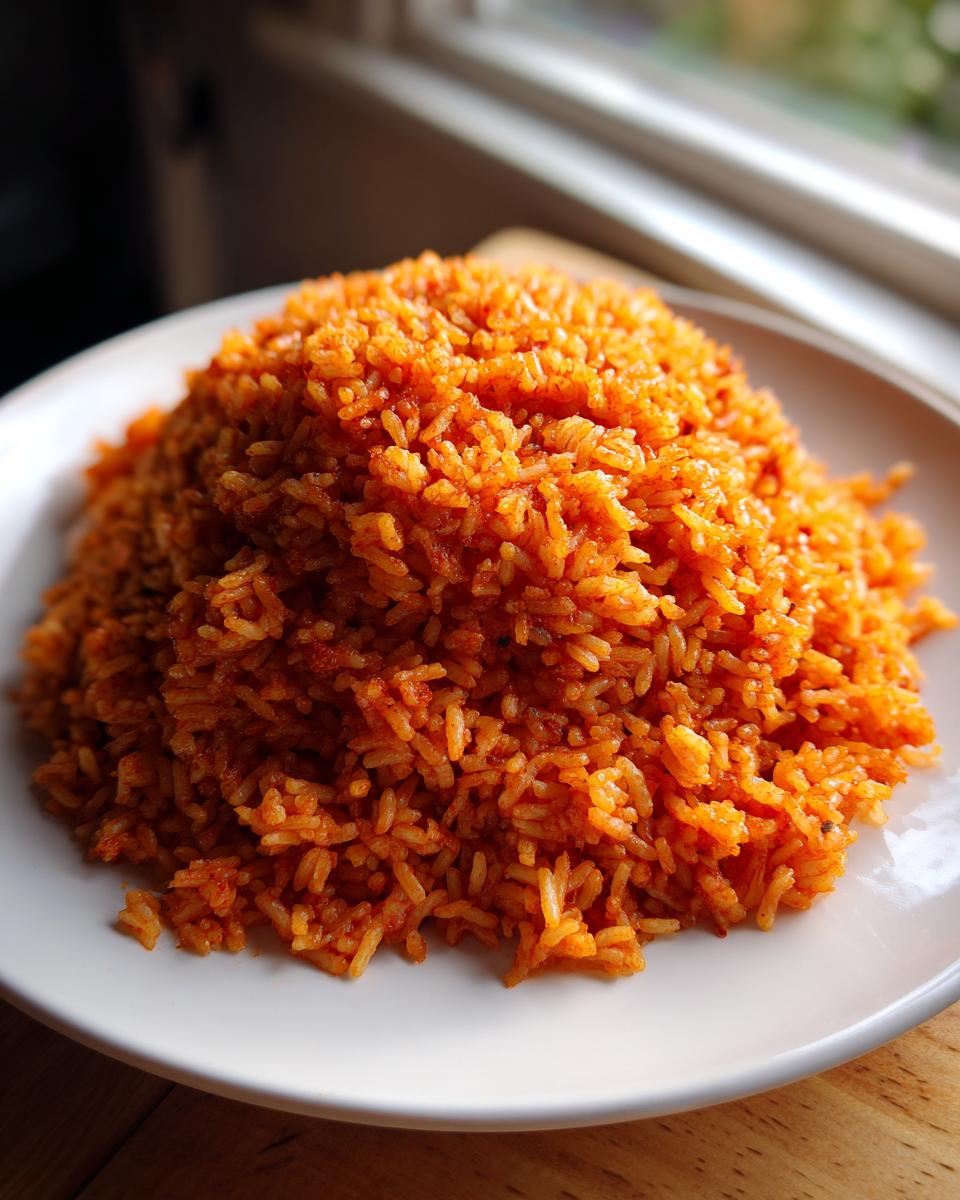
Remember, this dish is fantastic for making ahead, which is why it’s such a great meal prep staple. Enjoy those seconds!
Frequently Asked Questions About Jollof Rice
I know when you are tackling an iconic dish like jollof rice, you’re going to have questions! I certainly did when I was first learning this recipe. It’s easy to get intimidated, but I want to assure you that this Authentic Jollof Rice recipe is approachable. We’ve covered the basics, but let’s tackle some of those sticky points that might pop up as you cook. These are the things I always wondered when I was searching for the Best Jollof rice technique!
Can I make this Jollof Rice recipe vegetarian?
Absolutely, you can! This is a wonderful, hearty Tomato based rice recipe that doesn’t *need* the chicken to taste amazing. If you want to skip the browning step, just use vegetable stock instead of chicken stock when you add your liquid. You’ll still get that incredible flavor from the peppers, onions, and spices. If you want to add texture back in, sauté some mushrooms or cubes of firm tofu alongside your diced onions in Step 3! It makes for a fantastic vegetarian version of this Traditional West African meal.
What is the secret to the perfect Jollof rice color?
Ah, the color! Everyone talks about that deep, gorgeous red-orange hue, right? If you want that truly **Vibrant Jollof rice color**, you must focus on Step 3 from the instructions: Frying the tomato paste. You need to cook that paste down until it deepens significantly in color—it should look almost brick-red or dark mahogany. This process cooks out the raw, acidic flavor and concentrates the pigment! If you rush this, your rice will look pale and taste sour. Don’t rush the paste frying; it’s the key to the look and the taste!
I accidentally burned the bottom of my rice—is it completely ruined?
Oh gosh, I’ve been there! That slightly scorched layer is what we *try* to achieve for the smoky flavor, but if you get actual black, acrid burning, don’t panic and definitely don’t stir it all in! If you catch it early, immediately remove the pot from the heat source. Gently spoon the unburned rice *off* the top and transfer it to a clean, warm pot. You can test the lowest layer—if it’s just a dark, flavorful crust, that’s your party bottom, and you can scrape that up carefully to enjoy later! If it tastes truly bitter, leave that bottom layer behind. You’ll still salvage most of your delicious spicy rice recipe!
Is this better than Ghanaian Jollof rice?
That’s the million-dollar question! We can never quite settle that debate in West Africa, can we? Since the recipe I shared uses the richer, deeper, smoky stew base method, we’ve made the Nigerian style, which is fantastic for parties because it handles crowds so well. It definitely fits the bill for that amazing Nigerian party rice!
So, what’s the deal with the Ghanaian Jollof rice guide variations? Generally speaking, most people agree that Ghanaian Jollof tends to have a slightly tangier, maybe even sweeter, flavor profile. Often, they use a different ratio in their base—sometimes less tomato paste relative to the amount of fresh tomatoes, which can result in a slightly brighter red color rather than that deep, dark red we chase for the smoky taste.
Another big difference people talk about is the cooking texture. While my Nigerian version relies on that intense steam seal to cook the rice slowly and evenly, Ghanaian cooks sometimes opt to cook the rice directly in the stew base, stirring more frequently. That stirring technique actually helps release a more starch, giving Ghanaian Jollof a slightly softer, creamier consistency, almost like a risotto, compared to our fluffier, separate grains.
But honestly? Both versions lead to an incredibly Flavorful African cuisine staple. If you want deep smoke and separation, stick with mine! If you want vibrant color and something a little softer, I highly encourage you to check out some authentic Ghanaian methods—you can learn more about how they nail that iconic flavor profile over at this excellent guide. It all comes down to what you prefer on your plate!
Can I use regular long-grain white rice instead of parboiled?
You absolutely can try regular white rice, especially now that you are looking for general Comfort food recipes, but I have to give you a friendly warning: parboiled is king for jollof rice for a reason! Standard white rice releases too much starch during cooking, and even with rinsing, it tends to get sticky or mushy before it softens through. Parboiled rice has a slightly harder structure, allowing it to absorb all that lovely stew flavor without collapsing into a sticky mess during the long steam. It’s worth seeking out the parboiled kind for this specific dish!
Estimated Nutritional Data for This Jollof Rice
Now, just as we appreciate the artistry of making this incredible West African rice dish, it’s also smart to have a general idea of what you’re sitting down to eat. I always want to be mindful of what I’m feeding my family, and I know you do too! So, remember, these numbers are just estimates based on dividing the entire recipe yield across 6 generous servings. Things like the amount of oil you absorb, or exactly how much chicken fat renders, will shift these just a tiny bit, but it gives you a solid ballpark figure for this wonderfully flavorful meal prep rice dish.
Here is the approximate breakdown for one serving of this Nigerian jollof rice:
- Serving Size: 1 serving
- Calories: 450
- Carbohydrates: 65g
- Protein: 18g
- Total Fat: 15g
See? That’s a hearty plate that keeps you satisfied! It’s packed with flavor from all those amazing peppers and spices, making it a truly satisfying Global cuisine dinner idea.
If you are planning ahead and want to check in with your overall daily intake, these numbers reflect the inclusion of the chicken pieces cooked in the pot, so they account for the protein content. If you skip the chicken and make a vegetarian version, the protein and fat numbers will drop a bit, and the carbs will probably edge up slightly as that energy comes from the rice itself. It’s always a good idea to check in with your favorite healthy lunch recipes sources if you need detailed macros, but for a classic, deeply savory scoop of **jollof rice**, this is a fantastic, satisfying starting point!
PrintAuthentic Nigerian Jollof Rice: Smoky Party Classic

Make this authentic Nigerian Jollof Rice, a flavorful, one-pot West African rice dish known for its rich tomato base and signature smoky taste. This recipe is beginner-friendly and perfect for family meals or large gatherings.
- Prep Time: 25 min
- Cook Time: 60 min
- Total Time: 85 min
- Yield: 6 servings 1x
- Category: Main Dish
- Method: Stovetop Simmering
- Cuisine: West African
- Diet: Vegetarian
Ingredients
- 3 cups long-grain parboiled rice
- 1.5 lbs chicken pieces (or preferred protein)
- 4 large ripe tomatoes
- 2 red bell peppers
- 1 scotch bonnet pepper (adjust to heat preference)
- 2 large onions (one for blending, one for sautéing)
- 4 cloves garlic
- 1 inch ginger
- 1/2 cup vegetable oil
- 1/4 cup tomato paste
- 4 cups chicken stock (or water)
- 2 teaspoons dried thyme
- 2 teaspoons curry powder
- 1 teaspoon salt (or to taste)
- 1/2 teaspoon ground black pepper
- 2 bay leaves
- 1 teaspoon smoked paprika (optional, for extra smoke)
Instructions
- Prepare the base sauce: Roughly chop one onion, tomatoes, red bell peppers, scotch bonnet pepper, garlic, and ginger. Blend these ingredients until smooth.
- Season and cook the protein: Season the chicken pieces with salt, pepper, thyme, and curry powder. Brown the chicken in a pot with a little oil, then set aside. You can use the resulting stock later.
- Sauté aromatics: Dice the remaining onion and sauté it in the vegetable oil in a large, heavy-bottomed pot until translucent. Add the tomato paste and fry for 3-5 minutes, stirring constantly, until it darkens slightly. This step builds deep flavor.
- Cook the stew base: Pour the blended pepper mixture into the pot. Add the bay leaves, smoked paprika (if using), salt, pepper, thyme, and curry powder. Bring to a simmer and cook uncovered for 15-20 minutes, allowing the sauce to reduce and thicken. This is crucial for the final color and taste.
- Achieve the smoky flavor: Return the browned chicken to the sauce. If you want a strong smoky flavor, you can briefly place the sauce mixture over an open flame or under a broiler for a minute or two, watching carefully to slightly scorch the edges, then return it to the heat.
- Add rice and stock: Rinse the parboiled rice thoroughly until the water runs clear. Stir the rinsed rice into the stew base until every grain is coated. Pour in the chicken stock, ensuring the liquid is just slightly above the level of the rice.
- Steam the Jollof: Cover the pot tightly with foil, then place the lid on top. Reduce the heat to the lowest setting. Let the rice steam for 25-35 minutes without stirring. The steam cooks the rice evenly.
- Check and finish: After 25 minutes, check the rice. If it is tender, gently fluff it with a fork. If it needs more time, add a tiny splash of water, re-cover tightly, and cook for another 5-10 minutes. The bottom layer should form a slight crust (the ‘party bottom’).
- Serve: Remove the bay leaves. Serve your flavorful Jollof Rice hot, often alongside fried plantains or your preferred protein.
Notes
- For the best smoky party Jollof taste, use a heavy-bottomed pot and do not stir the rice while it is steaming.
- Rinsing the rice removes excess starch, helping the grains stay separate and fluffy.
- If you do not have chicken stock, use water, but add a bouillon cube for depth of flavor.
Nutrition
- Serving Size: 1 serving
- Calories: 450
- Sugar: 8
- Sodium: 550
- Fat: 15
- Saturated Fat: 3
- Unsaturated Fat: 12
- Trans Fat: 0
- Carbohydrates: 65
- Fiber: 4
- Protein: 18
- Cholesterol: 45