

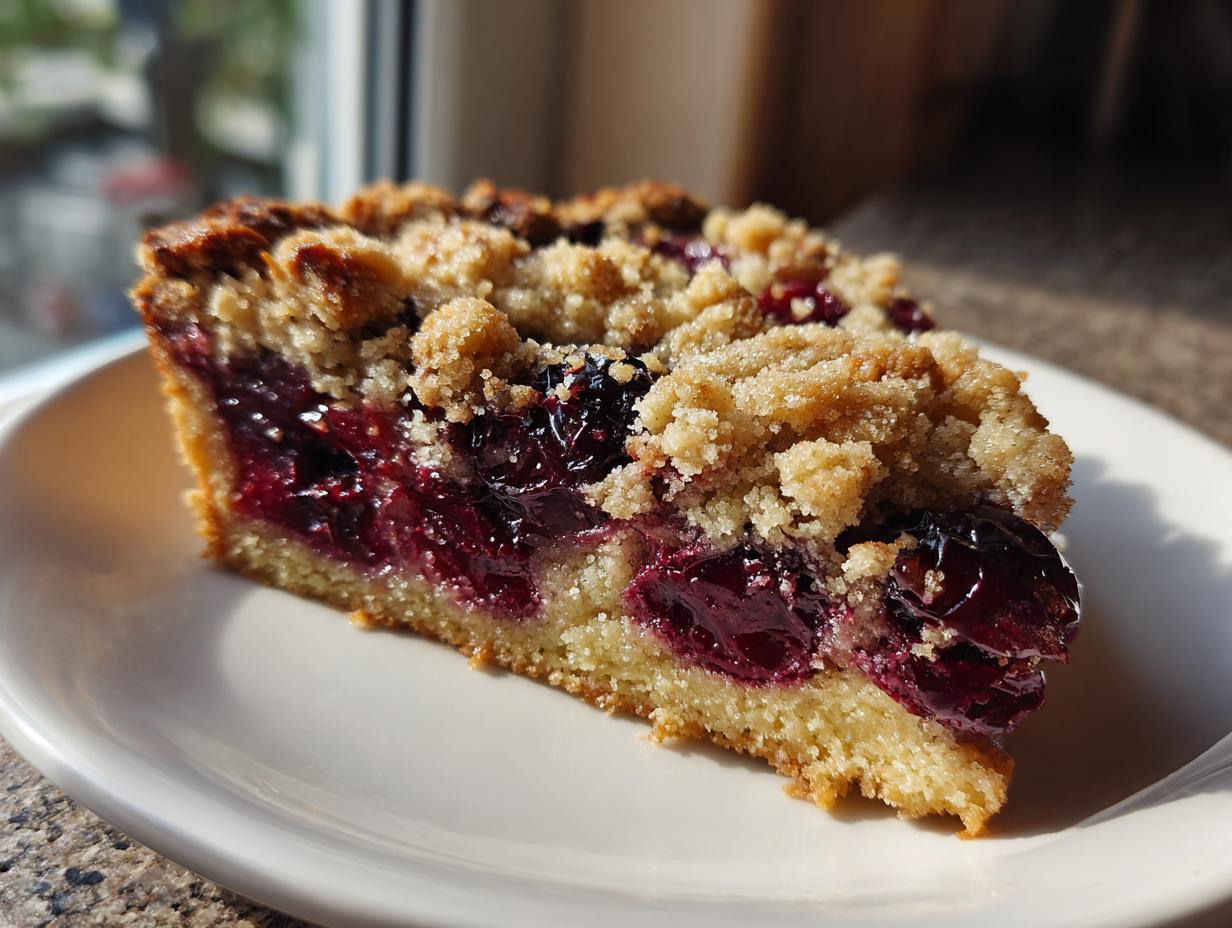
There’s something so uniquely satisfying about baking with fruit when it’s perfectly in season. Forget those heavy, dense holiday bakes for a minute—I’m talking about the bright, sweet-tart flavor you get only when the late summer plums are at their peak. That’s where this recipe comes in! Here at HearthBite, we want to make sure you get that authentic taste without spending all day in the kitchen. That’s why I developed what I truly believe is the *best* easy German Plum Cake, or Zwetschgenkuchen, you’ll ever make. It uses a simple, buttery shortcrust base topped with juicy fruit and that irreplaceable crunchy streusel. If you love seasonal fruit in your bakes, you might also want to check out my recipe for moist date nut bread!
My journey into baking comfort food really started when I realized food was my primary language of love. Sharing a slice of something made by hand, like this seasonal plum cake, connects us instantly to the rhythm of the year and to each other. This version manages to be rustic, incredibly flavorful, and surprisingly quick for a classic European bake. Trust me, once you master this combination of tender crust and sweet fruit, you’ll be pulling this recipe out every time plums show up at the market. It’s meant to be shared, just like all the best recipes from my own family to yours.
- Why This German Plum Cake Recipe Stands Out
- Gathering Ingredients for Your Classic German Plum Cake
- Preparing the Shortcrust Base for Your Plum Cake
- Assembling the Fresh Plum Cake: Plums and Streusel
- Baking and Cooling Your Authentic Plum Kuchen
- Tips for the Best Plum Cake Recipe Experience
- Frequently Asked Questions About Making Plum Cake
- Understanding the Nutrition in Your Moist Plum Cake
- Share Your German Plum Cake Creations
Why This German Plum Cake Recipe Stands Out
We often see recipes labeled ‘plum cake’ calling for dried fruits and heavy spices, which are wonderful for Christmas, but they don’t capture the magic of fruit when it’s piping hot and fresh from the tree. This Zwetschgenkuchen is completely different! It shines because it’s an easy plum cake recipe that celebrates simple, seasonal flavors. We’re using a buttery shortcrust pastry as the foundation, which gives you that perfect sturdy yet tender layer underneath all those juicy plums. If you’re looking for a beautiful seasonal plum dessert that comes together without fuss, you’ve found it!
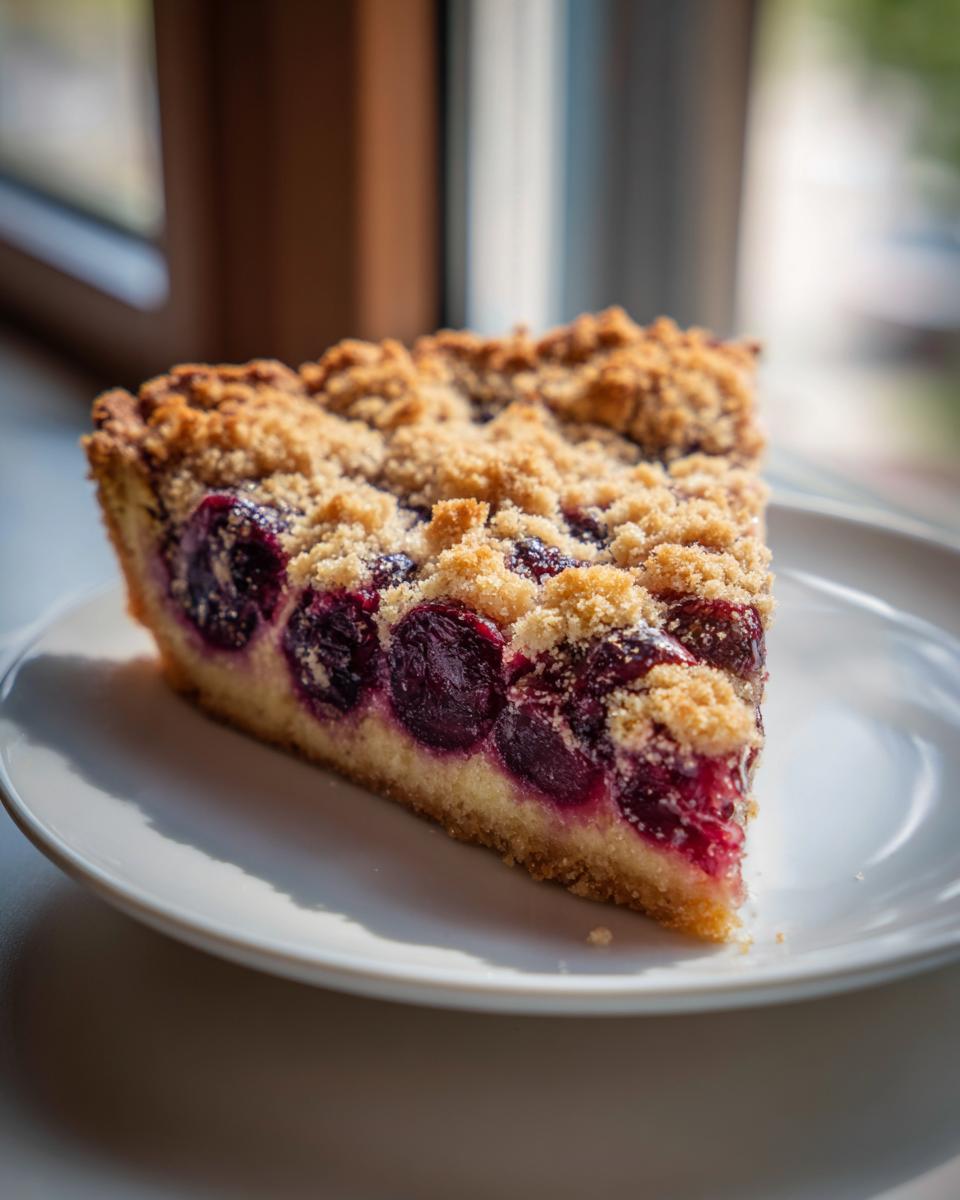
The Appeal of Fresh Plum Cake Over Holiday Plum Cake
When I think of a holiday plum cake, I picture something dense and dark. This version is the complete opposite! It’s light, bright, and smells incredible when the fresh plums caramelize slightly in the oven. The texture contrast between the crisp streusel, the soft fruit, and the flaky base is honestly addictive. It just feels like sunshine baked into a slice, which is exactly what we need.
Expert Tips for the Perfect Plum Cake with Streusel
To make sure your shortcrust stays crisp and doesn’t get soggy from the plum juice—which is the biggest pitfall with these kinds of bakes—you have to be diligent about draining your fruit after you toss it. I always let the salted plums sit in a colander for about ten minutes before layering them onto the pastry. This little step makes all the difference in texture. It’s details like these that elevate any bake, and you can find more tips like this when learning how to make my fluffy bakery scones.
Gathering Ingredients for Your Classic German Plum Cake
Okay, now that you know *why* this cake is so special, let’s talk about what we need to pull this off! Since this is a simple plum dessert, the ingredient quality really matters here. We’re dividing things into three groups: the crust, the plums, and the heavenly streusel topping. You’ll want to grab your pastry flour and make sure your butter for both the crust and the streusel is straight out of the fridge and cut into those tiny little chunks. Don’t substitute that cold butter for anything soft!
The star here, of course, is the fresh plums. The recipe calls for about two pounds, and I really, really encourage you to use Italian prune plums or another firm variety if you can find them. They hold their shape so much better when they bake! Make sure you halve them and take all those pits out before you toss them with the cinnamon and sugar. We aren’t using any canned stuff here—this is all about those tart, juicy slices hitting that buttery base. If you’re looking for another treat that needs precise ingredient prep, my guide to soft, chewy sea salt caramels goes into great detail on temperature control!
Preparing the Shortcrust Base for Your Plum Cake
Alright, deep breath! We’re starting with the crust, which is the anchor for this whole amazing dessert experience. You’ll need a large bowl, and we start by whisking together the initial flour, the 1/2 cup of sugar, and the salt. This gets everything nice and evenly distributed before the fat goes in. Now, this is where you need cold butter—and I mean cold—cut up into little dabs. Use a pastry blender or just your fingertips to work that butter into the flour mixture. You’re aiming for coarse crumbs, some bits the size of peas, some smaller. If you get warm hands, step away for a second!
Once that looks right, it’s time for the liquids. Add in that egg yolk and the ice water. Mix this gently—and I mean gently! The moment it starts to clump into a shaggy mass, stop mixing immediately. Seriously, the biggest rule for any tender pastry, especially for a beautiful plum cake like this, is to *not overwork the dough*. Overmixing develops gluten, and we want flaky, not tough, right? Just press it together enough so it holds its shape, form it into a flat disk, wrap it tight, and send it straight to the fridge. It needs a solid chill time before we roll it out.
Speaking of chilling, I always use this time to get my plums ready. If you need a fabulous, zesty palate cleanser after all this butter, you should check out my recipe for moist lemon pound cake. It’s proof that simple ingredients can make something spectacular!
Chilling the Dough: A Crucial Step for This Easy Plum Cake Recipe
Why the mandatory chill break? Because we need that butter to firm up again! When the cold butter hits the hot oven, it steams and those little pockets puff up, creating flaky layers. If the butter melts while you’re handling the dough, you lose that magic. Thirty minutes is the minimum, but if your kitchen is warm, let it sit for 45 minutes. This resting time also helps the gluten relax, making the dough much easier to roll without snapping back at you.
Assembling the Fresh Plum Cake: Plums and Streusel
Okay, the base is chilled, the oven is hot, and the plums are waiting for their moment to shine! We prepared the plums earlier by tossing them with that little bit of sugar, lemon juice, and spice—just enough to draw out a tiny bit of moisture and make them taste heavenly. Now, take your chilled shortcrust that you pressed into the pan. Lay those plum halves cut-side up, fitting them in as tightly as you can. Don’t be shy here; you want a really dense layer of fruit because they shrink a little while baking. Seeing them nestled together like that makes me so excited for the final plum cake!
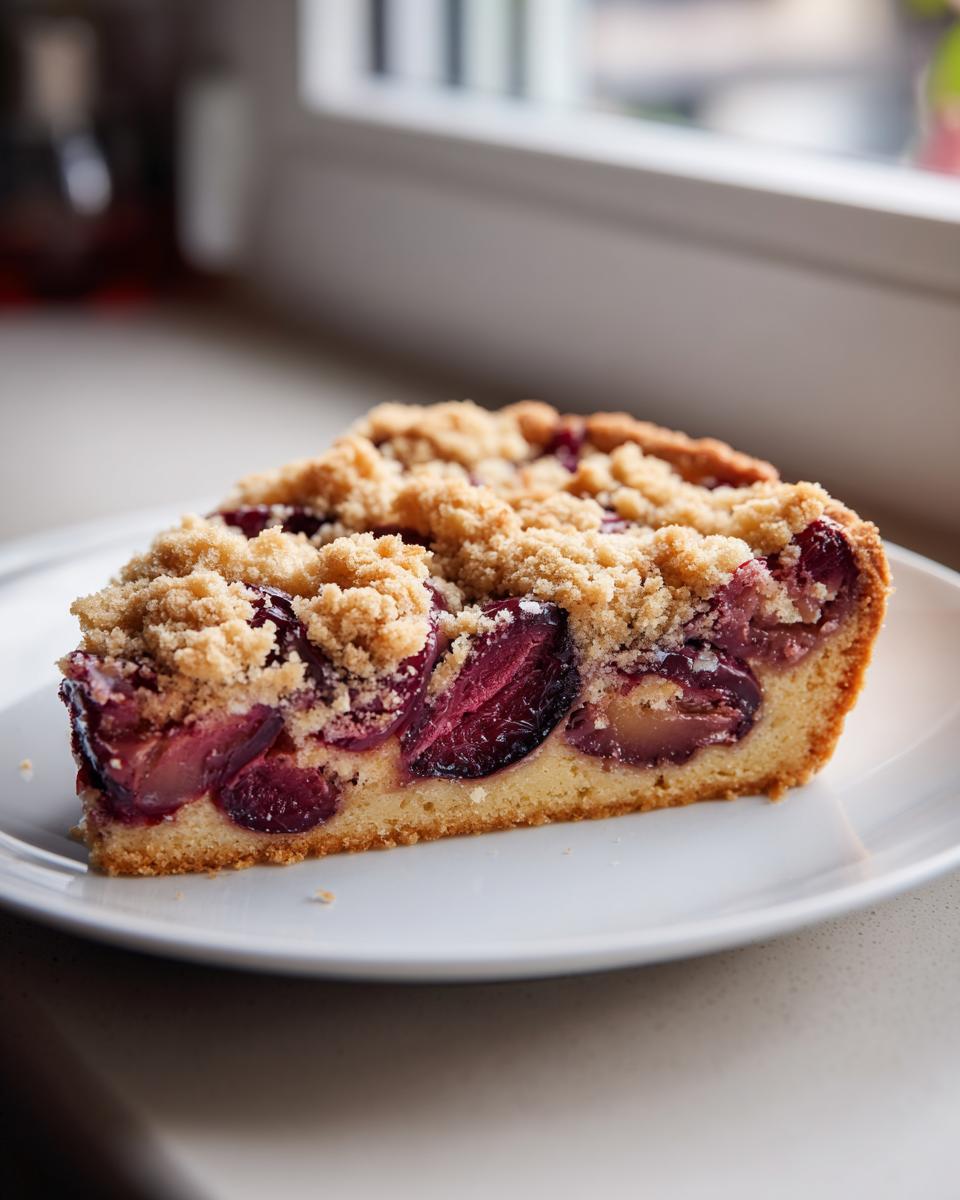
While the plums are patiently waiting on the base, we quickly whip up the streusel. Remember, this topping is what gives us that divine crunch that pairs so beautifully with the soft, juicy fruit and the tender crust underneath. Don’t forget, if you want to see another fantastic pairing of fruit and crumb, you should check out my recipe for the best coffee cake—it’s got a similar textural vibe!
Once the streusel is done, you just sprinkle it right over the top of those plums, covering everything evenly. It sounds simple, and honestly, it is! This German method is so straightforward, which is why I love sharing it as an easy plum cake recipe. For an authentic European inspiration, some folks look to recipes like those found at Recipes From Europe for more ideas, but I promise my shortcrust beats out many of them!
Technique for Perfect Streusel Topping on Your Plum Cake
Developing the right streusel texture is really the secret weapon here. You’re working with flour, brown sugar, and cold butter. You want to use your fingers or a pastry blender again, just like we did for the crust, but this time, stop sooner. We are aiming for a mixture that looks like coarse sand with some larger, pea-sized crumbles scattered throughout. Why? If the crumbles are too fine, they just melt into the plum juices and you lose that wonderful, crunchy texture we crave. If they’re too big, they might burn before the cake is done. So, feel for those varied sizes—those are textbook crumbs that build flavor and texture, ensuring your plum cake has that satisfying bite right on top!
Baking and Cooling Your Authentic Plum Kuchen
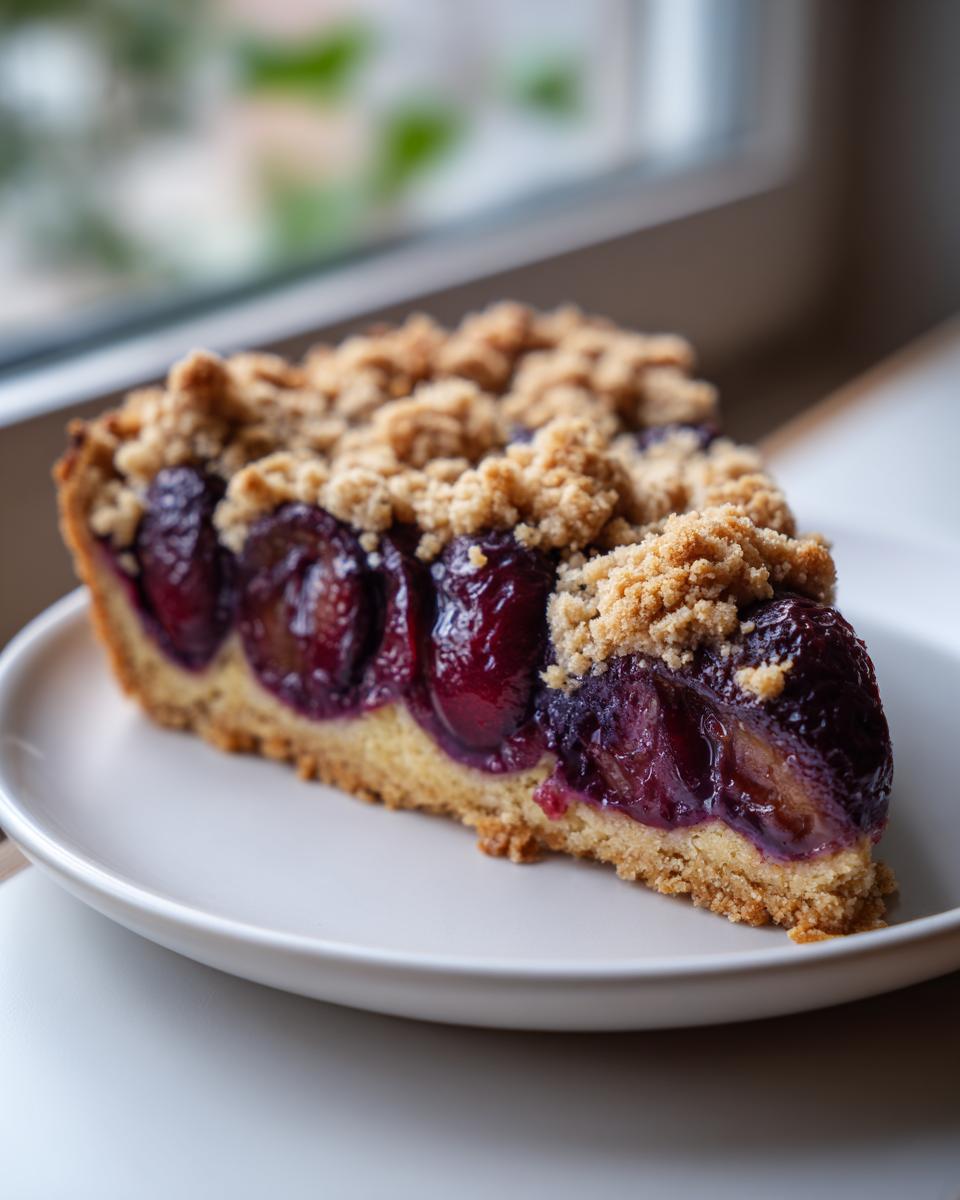
This is it—the moment of magic! We’ve got our shortcrust base loaded with juicy plums and covered in that gorgeous, sandy streusel. Time for the oven. You want to set your temperature right to 375 degrees Fahrenheit, or 190 Celsius if you’re using metric settings. Trust me, this steady, moderate heat is perfect for ensuring the crust bakes through without burning off that delicious streusel topping.
The timing is usually around 45 to 55 minutes, but you should always rely more on your eyes (and maybe a little nose!). You’re looking for a few sure signs that your Authentic Plum Kuchen is done. First, the edges of that shortcrust should be a beautiful, deep golden brown. Second, the plums themselves should look seriously tender—they’ll be bubbly and slightly sunken into the crust, releasing their amazing aroma. If you gently poke one of the uncovered crust areas, it should feel firm.
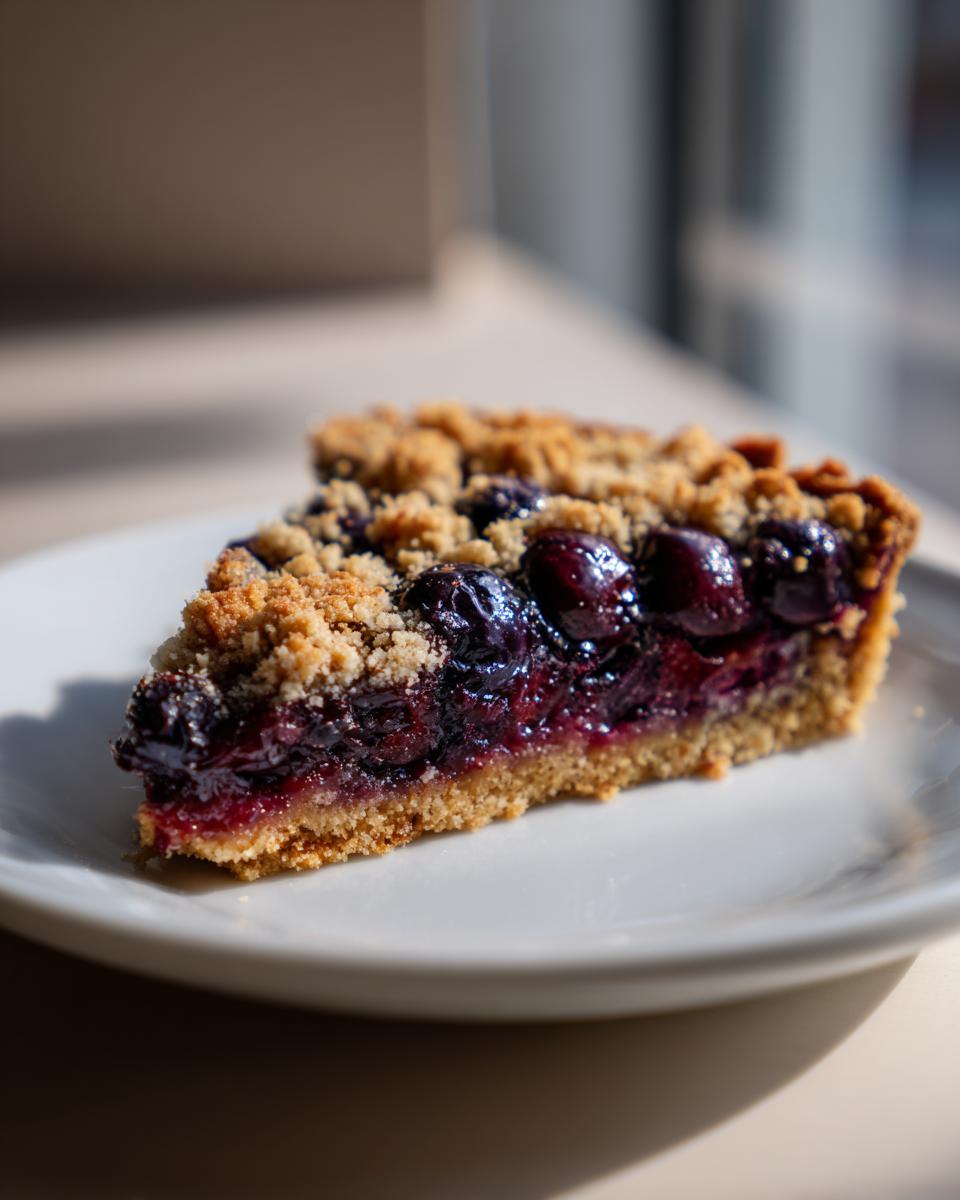
Don’t rush to pull it out the second it looks done, either! Once those visual cues are met, turn the oven off. The cake needs to cool down gradually in the pan on a wire rack. This is important because the shortcrust is still a bit delicate when piping hot. Letting it rest in the springform pan for at least 20 minutes lets everything set up properly. If you’ve made my creamy pumpkin soup, you know how important the resting time is for flavor development—it’s the same idea here for texture! Once it’s set, you can release the sides of the pan, but let it cool almost completely before slicing, or you might end up with plum soup instead of cake slices!
Tips for the Best Plum Cake Recipe Experience
You’ve done the hard work—you’ve made a fantastic plum cake! Now, let’s make sure every slice you serve is just as perfect as the one that just came out of the oven. Getting the fruit right and knowing simple storage tricks makes enjoying these bakes over a few days so much easier. Nobody wants a sad, gummy slice the next day, right?
Plum Selection for Maximum Flavor
I can’t stress this enough: for this German style, you absolutely must go for firm fruit. If your plums are too ripe—soft to the touch, squishy—they are going to completely liquefy and turn your beautiful shortcrust into something resembling soup. Look for Italian prune plums if you can; they are sturdy little powerhouses that hold their shape beautifully, even after baking for nearly an hour. That slight tartness they keep prevents the cake from becoming overly sweet, which is just perfect for that afternoon coffee break treat. It’s all about that reliable texture we aim for here at HearthBite!
Make-Ahead and Storage for This Simple Plum Dessert
Because this cake has that sturdy shortcrust underneath, it actually keeps wonderfully! You don’t need to keep this simple plum dessert in the fridge at all—in fact, please don’t! Cold air tends to dry out pastry. Just cover it loosely on the counter at room temperature, and it should stay delicious for up to three full days. If you happen to have leftovers after that, you can wrap slices tightly. When you want to bring back that just-baked warmth, just pop a piece in a low oven (like 300 degrees) for about five minutes. That little hint of warmth brings all those cinnamon and butter aromas right back to the forefront. If you need a reliable recipe that tastes great even when cooled down, you should really try out my moist lemon loaf recipe, too!
Frequently Asked Questions About Making Plum Cake
It’s totally normal to have questions when trying a new international recipe! Even though this is designed to be an Easy Plum Cake Recipe, I know everyone’s plums—and ovens—act a little differently. I’ve put together a few of the things people ask me the most about getting that classic German flavor just right. If you have any other burning questions after you bake this, feel free to drop them down below, or check out my recipe for no-cook pizza sauce and tell me what you think!
Can I use frozen plums instead of fresh for this plum cake?
Oh, I totally get it; sometimes you have those beautiful plums frozen from the summer bounty! The answer is yes, you absolutely can use them, but you have to treat them carefully. Don’t just toss them in frozen! You need to thaw them completely first—I usually leave them overnight in the fridge. Once thawed, put them in a sieve or colander and let them drain for at least an hour. You want as much liquid gone as possible. If the plums release too much water while baking, that shortcrust underneath won’t crisp up, and you’ll end up with the dreaded soggy bottom. Drain them well, and then you can coat them in the sugar and cinnamon exactly as the recipe says!
What is the difference between Zwetschgenkuchen and a typical plum torte?
This is where things get interesting, right? People use the terms interchangeably sometimes, but there are definite differences, especially in Germany! When people say Zwetschgenkuchen, they are usually referring to a cake with a yeast dough or, as we used here, a simple shortcrust pastry base that acts like a sturdy platform for the fruit. The fruit layer is very dense; you pack those plums right up against each other. A traditional plum torte, however, usually implies a sponge cake or a thinner base, often layered differently, sometimes featuring a nut or almond component baked right into the cake structure itself, rather than being purely fruit-focused on a pastry foundation. Ours is focused on that contrast between the crust and the fresh topping!
Understanding the Nutrition in Your Moist Plum Cake
I know many of you who follow HearthBite are meticulous about what you feed your families, and that’s something I completely respect. While baking should always be about joy and comfort, it’s good to have a general idea of what’s in that beautiful slice of German Plum Cake you’re about to enjoy! Since this recipe is made with fresh fruit and has that sturdy shortcrust foundation, it honestly balances out nicely—it’s not overly sweet like some desserts can be.
Now, I have to give you the usual disclaimer: these numbers are just estimates based on using standard pantry staples for the recipe, and they can change depending on the exact size of your plums or the brand of flour you use. But for a standard slice—based on 8 servings from a 9-inch pan—here is what you can generally expect. If you also enjoy tracking nutrition in your morning bakes, you should take a peek at my recipe for fluffy oatmeal pancakes, which breaks down the carbs and protein in a different way!
Here’s a quick look at the estimated breakdown for one serving of this moist plum cake:
- Calories: Approximately 380
- Total Fat: Around 21g (with about 13g of that being saturated fat from all that wonderful butter in the crust and streusel!)
- Carbohydrates: About 45g
- Sugar: Roughly 28g (Remember, much of this comes naturally from the fruit and the brown sugar in the streusel!)
- Protein: Approximately 5g
See? Not too scary! That protein and fiber from the plums give you a little boost. It’s a wonderfully rustic and satisfying dessert designed for a cozy afternoon, not for worrying over every single calorie. Enjoy it with a cup of coffee—you deserve it!
Share Your German Plum Cake Creations
Honestly, reading through this whole process, I’m practically smelling those warm plums and cinnamon right now! That’s the best part of baking—it’s not truly finished until it’s shared. If you took the plunge and whipped up this plum cake, I would absolutely love to hear all about it! Did your streusel extra crunchy? Did you use Italian prune plums or a different favorite variety?
Please take a moment to leave a rating for the recipe down in the comments. Five stars means the world to me and helps other home cooks feel confident trying Zwetschgenkuchen for the first time. Also, if you snapped a picture of your beautiful, fresh fruit dessert—whether it’s warm with whipped cream or enjoyed the next day with your coffee—please tag HearthBite on social media! Seeing your creations and hearing about the moments you share over food is truly what keeps me going in the kitchen.
If you run into any snags or have brilliant tweaks you want to share with the community, the comments section is the perfect place for it. Connecting over good, honest food is what we’re all about here. If you need to reach out privately about a recipe or just want to say hello, you can always find my direct contact form right here. Happy baking, friends, and enjoy every last bite of that seasonal goodness!
PrintClassic German Plum Cake with Streusel Topping

Make this classic German Plum Cake (Zwetschgenkuchen) using fresh plums and a buttery streusel topping. This recipe uses a simple shortcrust pastry base, making it an easy and delicious seasonal dessert perfect for brunch or coffee.
- Prep Time: 30 min
- Cook Time: 55 min
- Total Time: 85 min
- Yield: 8 servings 1x
- Category: Dessert
- Method: Baking
- Cuisine: German
- Diet: Vegetarian
Ingredients
- 1 3/4 cups all-purpose flour
- 1/2 cup granulated sugar
- 1/4 teaspoon salt
- 1/2 cup (1 stick) cold unsalted butter, cut into small pieces
- 1 large egg yolk
- 2 tablespoons ice water
- 2 pounds fresh plums (like Italian prune or Italian plums), halved and pitted
- 1 tablespoon lemon juice
- 1/4 cup granulated sugar (for plums)
- 1 teaspoon ground cinnamon (for plums)
- 1 cup all-purpose flour (for streusel)
- 1/2 cup packed light brown sugar (for streusel)
- 1/4 teaspoon ground cinnamon (for streusel)
- 1/2 cup (1 stick) cold unsalted butter, cut into small pieces (for streusel)
Instructions
- Prepare the shortcrust pastry: In a large bowl, whisk together 1 3/4 cups flour, 1/2 cup granulated sugar, and salt. Cut in the cold butter using a pastry blender or your fingers until the mixture resembles coarse crumbs.
- Mix in the egg yolk and ice water until the dough just comes together. Do not overmix. Form the dough into a disk, wrap it in plastic wrap, and chill it in the refrigerator for at least 30 minutes.
- Prepare the plums: Preheat your oven to 375 degrees Fahrenheit (190 degrees Celsius). Lightly grease and flour a 9-inch springform pan or a 9×13 inch baking dish.
- In a medium bowl, gently toss the halved and pitted plums with 1/4 cup granulated sugar, lemon juice, and 1 teaspoon cinnamon. Set aside.
- Prepare the streusel topping: In a separate bowl, combine 1 cup flour, brown sugar, and 1/4 teaspoon cinnamon. Cut in the cold butter until crumbly, similar to the pastry base.
- Roll out the chilled dough and press it evenly into the bottom of your prepared pan to form the cake base.
- Arrange the plum halves cut-side up over the dough base, packing them closely together.
- Sprinkle the streusel topping evenly over the plums.
- Bake for 45 to 55 minutes, or until the crust is golden brown and the plums are tender.
- Let the German Plum Cake cool in the pan on a wire rack before slicing and serving.
Notes
- You can use ripe Italian prune plums or similar firm varieties for the best results in this recipe.
- If you prefer a yeast dough base, you can substitute that for the shortcrust pastry, but allow for an extra rising time.
- This cake is excellent served slightly warm with a dusting of powdered sugar or a dollop of whipped cream.
Nutrition
- Serving Size: 1 slice
- Calories: 380
- Sugar: 28
- Sodium: 180
- Fat: 21
- Saturated Fat: 13
- Unsaturated Fat: 8
- Trans Fat: 0
- Carbohydrates: 45
- Fiber: 3
- Protein: 5
- Cholesterol: 65