

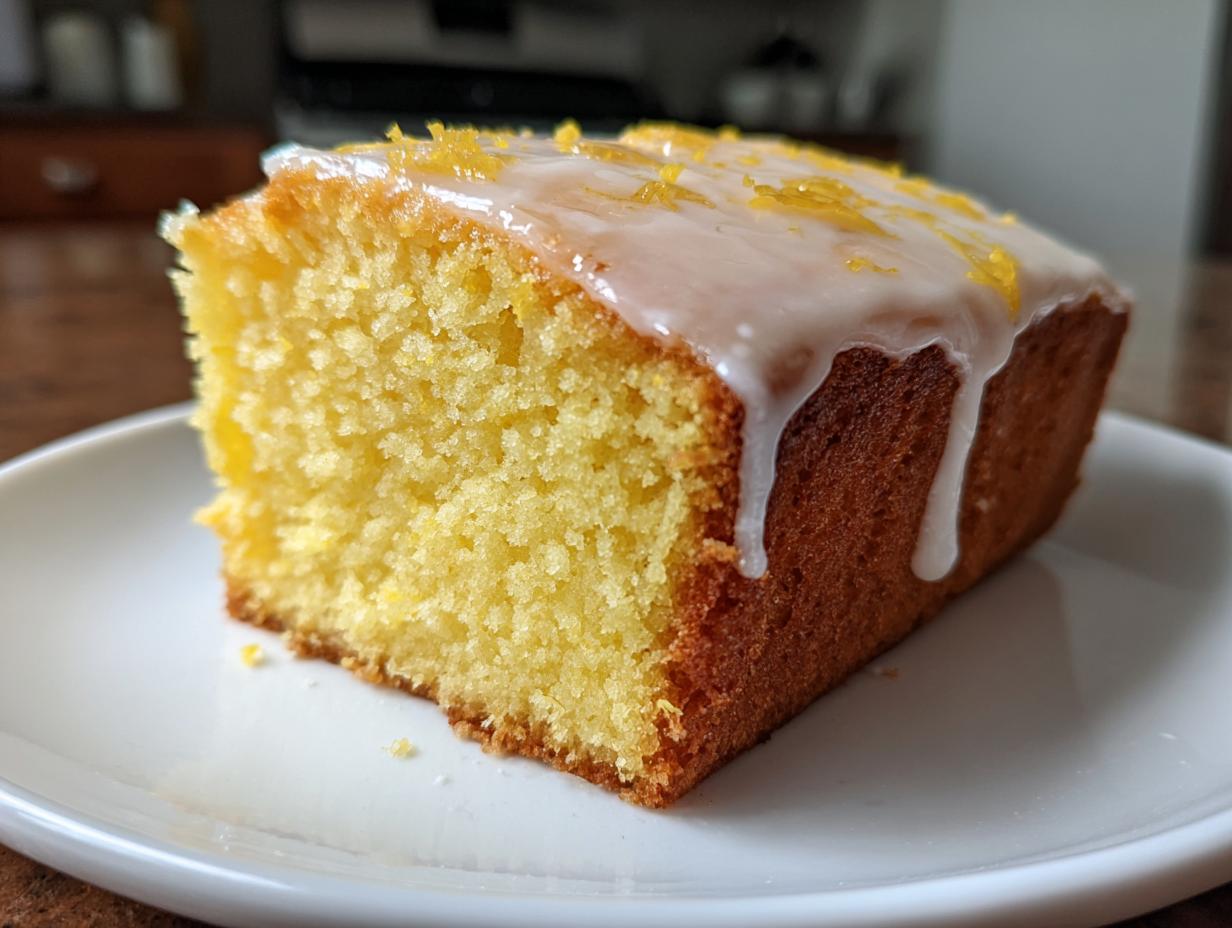
Is there anything better than that perfect slice of sunshine on a plate? I swear, when I crave citrus, only the brightest, tangiest flavor will do! After years of testing and tweaking—because we here at HearthBite believe dessert should bring joy, not stress—I finally landed on the ultimate Moist Lemon Pound Cake recipe. Forget dry, crumbly cakes; this version has the most tender, velvety crumb you can imagine. We focused heavily on making sure the zest pops in every bite. This isn’t some experimental bake; this is a classic cake, tested and true, designed to bring reliable sweetness to your table every single time.
- Why This Classic Lemon Pound Cake Recipe Works (EEAT Focus)
- Gathering Ingredients for Your Moist Lemon Pound Cake
- Step-by-Step Instructions for Your Homemade Pound Cake
- Preparing the Tangy Icing for Your Lemon Pound Cake with Glaze
- Tips for Success with This Easy Lemon Pound Cake Recipe
- Storage and Reheating Instructions for Lemon Pound Cake
- Serving Suggestions for Your Zesty Lemon Cake
- Frequently Asked Questions About Lemon Pound Cake
- Estimated Nutrition for a Serving of Lemon Pound Cake
- Estimated Nutrition for a Serving of Lemon Pound Cake
Why This Classic Lemon Pound Cake Recipe Works (EEAT Focus)
You might wonder why this recipe stands out when there are a million lemon cakes out there. It all comes down to technique, honey! We aren’t just throwing things in a bowl here; we are building structure so that your cake stays perfectly moist for days. Trust me, understanding just a couple of these core steps is the difference between a good cake and the Best Lemon Pound Cake you’ve ever had.
When I first started out, I ignored these little details and ended up with hockey pucks sometimes! But once Sarah showed me the essentials, everything clicked.
Achieving the Best Lemon Pound Cake Texture
Moisture starts before you even turn on the mixer. You absolutely must use room temperature butter, eggs, and milk. Why? Because when they are all on the same (lukewarm) team, they emulsify beautifully when mixed with the sugar—this is called creaming!
- The creaming step gently folds tiny air pockets into the fat. Those air pockets expand in the oven, giving us that beautiful, light, yet dense texture that pound cakes are famous for.
- If your ingredients are cold, the butter won’t incorporate the air well, and you end up with a tight, heavy crumb. We want tender, my friends!
Maximizing Zest and Juice for Zesty Lemon Cake Flavor
I know it seems like more work, but fresh zest holds most of that bright, powerful lemon oil aroma and flavor we are chasing. Juice is great for moisture and that little bit of required acidity, but zest is where the real zing lives!
When grating, watch what you’re doing! You want that bright yellow skin—that’s the flavor gold. Stop right before you hit the white part underneath. That white pith? It’s bitter, and it will ruin the delicate balance we’ve created in this Zesty Lemon Cake.
Gathering Ingredients for Your Moist Lemon Pound Cake
Okay, let’s get down to business! Having your ingredients ready beforehand—what we call mise en place—is crucial for a cake like this where timing matters. You’ll need quality fresh lemons for sure, and make sure you pull out the butter, eggs, and milk hours ahead of time. Don’t try to rush this part; room temperature ingredients are our lifeline to achieving that smooth, buttery texture in this fantastic Homemade Pound Cake recipe.
For the cake itself, here’s what you need to round up:
- 1 1/2 cups (3 sticks) unsalted butter, softened—yes, it must be softened!
- 3 cups granulated sugar
- 6 large eggs, room temperature
- 1 tablespoon lemon extract
- 1/4 cup fresh lemon juice
- 1 tablespoon lemon zest (from about 2 lemons)
- 3 cups all-purpose flour
- 1 teaspoon baking powder
- 1/2 teaspoon salt
- 1/2 cup whole milk, room temperature
And don’t forget what makes this a true Lemon Pound Cake with Glaze!
- For the Glaze:
- 2 cups powdered sugar
- 1/4 cup fresh lemon juice
- 1 teaspoon lemon zest
Ingredient Notes and Substitutions for Lemon Pound Cake
I always insist on unsalted butter because it lets me control the total salt level in the recipe. Since we are adding a little salt separately anyway, it just gives us better control over the final taste. Also, I get asked all the time: why use both lemon extract and fresh juice/zest?
Here’s the secret: The extract boosts that bright lemon punch deeper into the cake batter itself, while the fresh juice and zest bring that wonderful, sharp, sunny top-note flavor. They work together perfectly! You could technically skip the extract if you only have fresh lemons, but I promise you’ll lose some of that true bakery-style intensity. Don’t skip the zest in the glaze either; it crystallizes slightly and gives the icing that gorgeous, tangy crunch.
Step-by-Step Instructions for Your Homemade Pound Cake
Alright, you’ve got your ingredients ready, and I hope those eggs and butter are feeling cozy at room temperature! Follow these steps carefully, and you’ll have the most incredible Homemade Pound Cake straight from your oven. This is where that foundational work we talked about really pays off. I always grab my 10-inch tube pan—the kind with the little feet—or sometimes my loaf pan if I’m making a smaller batch for an afternoon tea treat.
First things first: get your oven heating up to 325°F (160°C). Make sure you grease and flour that beautiful pan really well. Seriously, don’t skimp here; a sticky pound cake is a tragedy!
Mixing the Batter for the Perfect Lemon Pound Cake
Time to mix! Grab that big bowl and beat your softened butter and sugar together. You need to give this a good five minutes while mixing on medium speed. We’re looking for that light, fluffy texture—it should look paler than when you started. This is where we build the air structure we talked about so much earlier!
Beat in those eggs, one by one, making sure each yolk is fully incorporated before adding the next. Scrape down those sides! Then, mix in the lemon extract, juice, and zest quickly, just until they combine.
Now, the crucial part! Whisk your flour, baking powder, and salt separately. Next, you add the dry ingredients alternating with the milk. Start with some flour, then a bit of milk, then more flour, getting less and less until you finish with the flour last. Mix only until you see no streaks of flour remaining. Stop the mixer! Overmixing develops gluten, and we don’t want chewy cake; we want tender, buttery crumb!
Baking and Cooling Your Lemon Pound Cake
Pour that glorious batter into your treated pan and smooth the top. Pop it into the 325°F oven. It usually takes about 60 to 75 minutes. Now, every oven is different, so check it around the hour mark by poking a wooden skewer right into the center. If it comes out clean—no wet batter clinging to it—you’re golden!
If the top is getting too dark before the inside is done (it happens!), just loosely drape a piece of foil over the top to protect it while it finishes baking. Once it’s done, let it rest in the pan on a wire rack for exactly 15 minutes. Don’t leave it longer! After 15 minutes, run a knife gently around the edges and carefully flip the cake out onto the rack to cool completely. It needs to be totally cool before you even think about glazing it, or that beautiful glaze will just slide right off when you check out our guide on how to begin your baking journey, like I did when I first started!

Preparing the Tangy Icing for Your Lemon Pound Cake with Glaze
The moment you’ve been waiting for! This glaze isn’t some fiddly mess—it’s the perfect sweet kiss for our zesty cake. It provides that beautiful, slightly hard shell and that incredible tart finish we all love in a Lemon Pound Cake with Glaze. The absolute key here is patience: the cake must be bone-cold before this goes on. If it’s even warm, you’ll get a thin, seedy disaster instead of a proper, glossy coating.

Grab your smallest bowl—we don’t need much space to mix this up. Just whisk the powdered sugar, the fresh lemon juice we reserved from baking, and that final bit of zest together. Don’t use a machine for this; a simple whisk right by hand is best for the glaze. You need to mix until it’s perfectly smooth, with no lumps hiding down at the bottom.
Now, let’s talk consistency. If you start whisking and it looks like thick toothpaste, don’t panic! It’s too thick. Add lemon juice, just a teaspoon at a time, whisking well after each addition until it drips off the whisk slowly in thick ribbons. If you accidentally go too far and it gets runny—we’ve all done it!—just whisk in a tablespoon more of powdered sugar until it thickens back up. You want it thick enough to coat, but thin enough to drizzle beautifully over the top. For more ideas on getting that perfect drizzle, check out these great tips for glazing techniques.
Once your cake is completely cooled down, lay it on the wire rack (make sure you have foil or parchment paper underneath to catch the drips—easy cleanup!). Drizzle that tangy icing all over, letting it run down the sides naturally. Then, you just have to wait five or ten minutes for that sugary shell to set before you slice in. That final tangy layer is what makes this cake truly unforgettable!

Tips for Success with This Easy Lemon Pound Cake Recipe
Baking a truly satisfying Easy Lemon Pound Cake Recipe sometimes requires a little bit of insider advice. Don’t worry if your first attempt isn’t magazine-perfect; we all learn as we go! Sarah here—I remember one disastrous attempt where I totally forgot to scrape the bottom of the bowl after adding the eggs. When I finally mixed in the flour, the batter looked curdled and chunky underneath the paddle. Yikes!
Instead of scraping the whole thing out, I carefully scooped the bottom third of the batter out into a separate bowl, scraped the main bowl thoroughly, and then gently folded the remaining batter back in. It saved the bake! So, my big tip is: always scrape, scrape, scrape!
Also, for that amazing citrus kick, when you zest your lemons, try grating them right over the sugar before you start creaming. The oils from the peel blend right into the sugar crystals, diffusing that bright lemon flavor throughout the entire pound cake base when you mix them up. It’s such a tiny extra step, but it makes a huge difference when you are going for that ultimate summery citrus dessert. For other Southern classics that use a similar approach, take a peek at these great baking ideas!

Storage and Reheating Instructions for Lemon Pound Cake
Now that you have this unbelievably Moist Lemon Pound Cake, we need to talk about keeping it perfect! Finding a spot for leftover cake can actually be tricky because of that beautiful glaze, but don’t worry; I have the system down for both keeping it fresh and freezing it for later!
First up: room temperature storage if you plan to eat it within a couple of days. If you’ve already drizzled the tangy icing on top, you need a slightly different approach than if you left it plain. A cake with glaze tends to keep better covered, but not airtight, at room temperature for about two days. If it gets too warm or humid, that icing can get sticky, so I usually move it to the fridge if our kitchen is too warm—just pull it out about an hour before serving so it softens up again.
If you are storing the unglazed cake, you can wrap it tightly in plastic wrap or foil. I actually prefer wrapping it in plastic first, and then wrapping that package again in heavy-duty foil. This double layer locks in all that buttery moisture we worked so hard to create. It will stay beautifully soft at room temperature for three days.
For longer keeping, this cake freezes like a dream, which is perfect if you need a quick make-ahead dessert for a holiday or big brunch! You must freeze it before adding the glaze. Wrap the completely cooled cake—plastic wrap first, then foil—and it will happily hang out in the freezer for up to three months. When you’re ready to serve it, just let it defrost overnight right on the counter, still wrapped, and then you can mix up that fresh glaze!
Serving Suggestions for Your Zesty Lemon Cake
Now that your kitchen smells like pure sunshine, you have a stunning Lemon Pound Cake ready to go! This cake is so robust and flavorful, it honestly doesn’t need much help, but I love suggesting a few ways to dress it up for company or just make an ordinary Tuesday feel special.
If you’re serving it up for afternoon tea or a lighter gathering, you can’t beat keeping it simple. A light dusting of powdered sugar on top of the glaze looks so elegant, or you can serve thin slices alongside a beautiful bowl of fresh, sweet raspberries. The tartness of the lemon cake is just heavenly against a ripe berry!
For a real dessert presentation, I often make a dollop of slightly sweetened homemade whipped cream. It’s so airy and delicate compared to heavy frosting, and it lets that bright citrus flavor truly shine through. You know how much I love simple desserts that taste fancy, and this combination fits perfectly into my Tea Time Treats rotation.
Honestly, though, the best serving suggestion for this cake isn’t fancy at all. Just slice it thick early in the morning, pour yourself a strong cup of coffee, and enjoy that first warm, buttery bite. That’s the moment all the hard work pays off!
Frequently Asked Questions About Lemon Pound Cake
I get so many emails after people bake this recipe, and usually, the questions are the same things I wondered about before my first go! Don’t hesitate to ask if you’re stuck—that’s what I’m here for! We want every baker to feel confident making something spectacular. Below are the most common things folks ask when baking up this Classic Lemon Pound Cake.
Can I use a different pan for this lemon pound cake recipe?
Absolutely! The recipe is written for a 10-inch tube pan because that shape really helps the heat distribute evenly, making for a very flat top that takes the glaze nicely. However, if you only have a loaf pan, go for it! If you use a standard 9×5 inch loaf pan for this batter—which gives you a gorgeous Lemon Loaf Cake—you’re going to need to bake it longer, maybe 10 to 20 minutes more, depending on your oven. Just follow that wooden skewer test to be safe; we do not want a sunk center!
How do I ensure my lemon pound cake is extra moist?
Two things sealed the deal for me ensuring this cake stays delightfully moist. First, remember those three room-temperature ingredients: butter, eggs, and milk? That’s non-negotiable! They create the emulsion that traps air beautifully. Second, and this is huge for me, is the mixing: once that flour gets in there, you treat it gently!
You must stop mixing the second you see the last streak of flour disappear. Seriously, turn off the electric mixer and finish the last fold by hand if you have to. Overmixing whips too much air out and develops gluten, making it tough and dry. A lightly mixed batter equals the tender crumb everyone loves in a Buttery Lemon Cake!
If you’re looking for more general tips on getting the best texture out of your citrus dessert creation, I found some wonderful advice over at Charlotte’s Recipe that really emphasizes the importance of using fresh ingredients.
If you have any other burning questions about baking times or glaze consistency, feel free to reach out to us anytime via our contact page!
Estimated Nutrition for a Serving of Lemon Pound Cake
Just a heads up, because this is a true pound cake recipe relying heavily on butter and sugar to achieve that amazing flavor and decadent texture, it definitely falls into the “treat” category! These numbers are just an estimate based on using standard grocery store brands for all ingredients, but it gives you a general idea of what you are enjoying with each slice of this glorious Classic Cake Recipe.
- Serving Size: 1 slice
- Calories: 450
- Sugar: 45g
- Fat: 25g
- Carbohydrates: 55g
- Protein: 5g
Remember that because we use fresh ingredients and don’t add any strange stabilizers, leftovers should be stored properly, as noted in our storage section! You can find our full privacy policy statement right here if you are curious about how we handle data.
Estimated Nutrition for a Serving of Lemon Pound Cake
Just a heads up, because this is a true pound cake recipe relying heavily on butter and sugar to achieve that amazing flavor and decadent texture, it definitely falls into the “treat” category! These numbers are just an estimate based on using standard ingredient brands for all ingredients, but it gives you a general idea of what you are enjoying with each slice of this glorious Classic Cake Recipe.
- Serving Size: 1 slice
- Calories: 450
- Sugar: 45g
- Fat: 25g
- Carbohydrates: 55g
- Protein: 5g
Remember that because we use fresh ingredients and don’t add any strange stabilizers, leftovers should be stored properly, as noted in our storage section! You can find our full privacy policy statement right here if you are curious about how we handle data.
PrintClassic Moist Lemon Pound Cake with Tangy Glaze

Bake this classic lemon pound cake from scratch for a moist, tender crumb and intense zesty lemon flavor, finished with a simple, sweet-tart glaze.
- Prep Time: 20 min
- Cook Time: 70 min
- Total Time: 1 hour 30 min
- Yield: 10 servings 1x
- Category: Dessert
- Method: Baking
- Cuisine: American
- Diet: Vegetarian
Ingredients
- 1 1/2 cups (3 sticks) unsalted butter, softened
- 3 cups granulated sugar
- 6 large eggs, room temperature
- 1 tablespoon lemon extract
- 1/4 cup fresh lemon juice
- 1 tablespoon lemon zest (from about 2 lemons)
- 3 cups all-purpose flour
- 1 teaspoon baking powder
- 1/2 teaspoon salt
- 1/2 cup whole milk, room temperature
- For the Glaze:
- 2 cups powdered sugar
- 1/4 cup fresh lemon juice
- 1 teaspoon lemon zest
Instructions
- Preheat your oven to 325°F (160°C). Grease and flour a 10-inch tube pan or a 9×5 inch loaf pan.
- In a large bowl, cream the softened butter and granulated sugar together with an electric mixer until the mixture is light and fluffy, about 5 minutes.
- Beat in the eggs one at a time, mixing well after each addition. Scrape down the sides of the bowl as needed.
- Mix in the lemon extract, lemon juice, and lemon zest until just combined.
- In a separate medium bowl, whisk together the flour, baking powder, and salt.
- Gradually add the dry ingredients to the wet ingredients, alternating with the milk. Begin and end with the flour mixture. Mix on low speed until just combined; do not overmix.
- Pour the batter evenly into the prepared pan.
- Bake for 60 to 75 minutes, or until a wooden skewer inserted into the center comes out clean. If the top browns too quickly, loosely tent it with foil.
- Let the cake cool in the pan on a wire rack for 15 minutes. Invert the cake onto the wire rack and let it cool completely.
- Prepare the glaze: Whisk together the powdered sugar, lemon juice, and lemon zest until smooth. If the glaze is too thick, add a few more drops of lemon juice.
- Drizzle the glaze evenly over the cooled cake. Allow the glaze to set before slicing and serving.
Notes
- For the best texture, make sure your butter, eggs, and milk are at room temperature before you start mixing.
- Use fresh lemons for the brightest, zesty flavor in both the cake and the glaze.
- This cake freezes well; wrap tightly in plastic wrap and foil once completely cooled (before glazing, if preferred).
Nutrition
- Serving Size: 1 slice
- Calories: 450
- Sugar: 45g
- Sodium: 250mg
- Fat: 25g
- Saturated Fat: 15g
- Unsaturated Fat: 10g
- Trans Fat: 0.5g
- Carbohydrates: 55g
- Fiber: 1g
- Protein: 5g
- Cholesterol: 120mg