

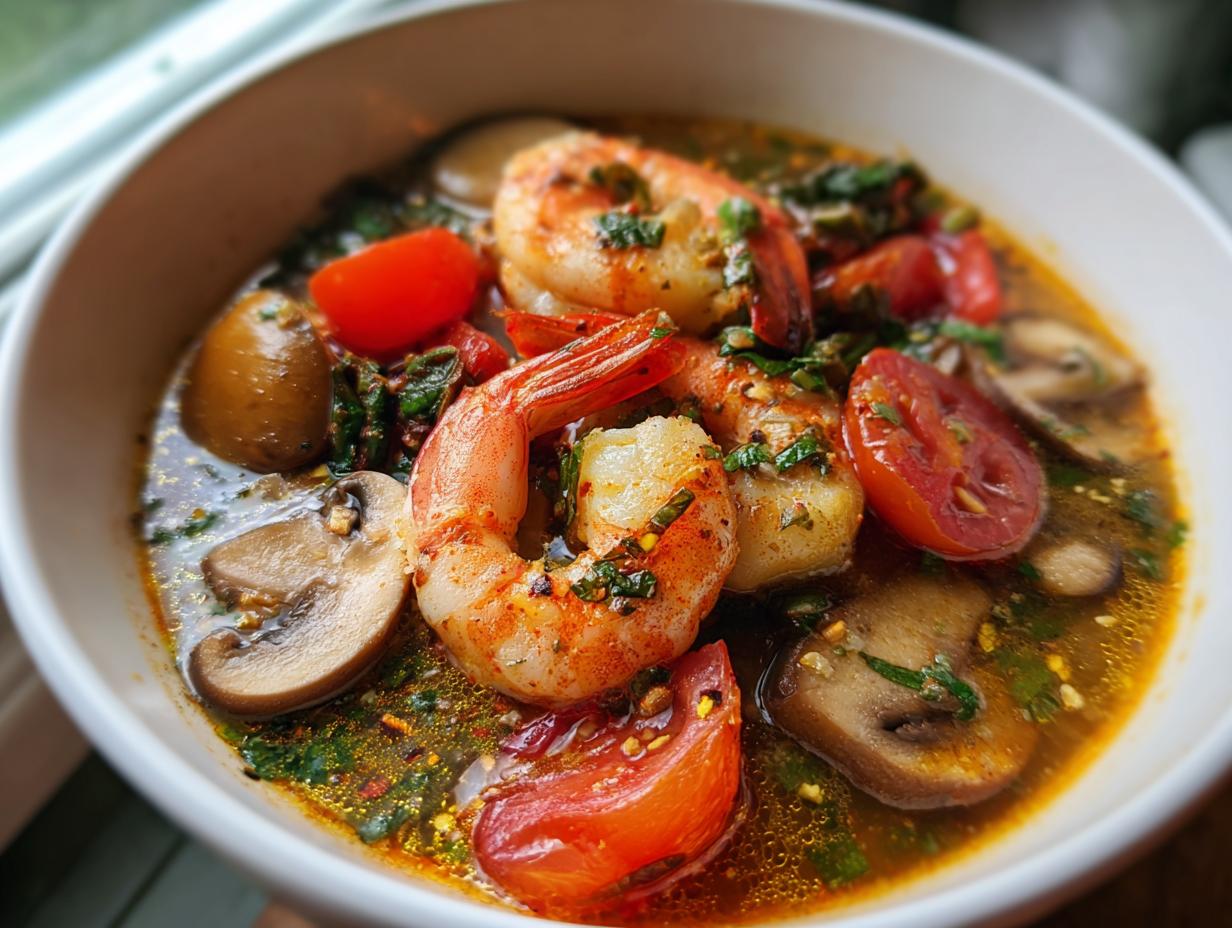
Scrolling through photos of zesty Thai street food always leaves me craving that classic explosion of flavor, right? That perfect harmony of hot, sour, salty, and just a hint of sweet. Well, stop dreaming about takeout! Today, we’re bringing the magic of authentic Thai food right onto your stovetop with my recipe for the best **tom yum soup**. I know what you’re thinking—Thai cooking is complicated—but trust me, this iconic soup is surprisingly quick! At HearthBite, we believe gorgeous flavors shouldn’t require an entire afternoon commitment. We’re making a restaurant-quality, aromatic broth that comes together in under an hour, guaranteed to become your favorite easy weeknight soup.
- Why This Easy Homemade Tom Yum Soup Recipe Works
- Essential Ingredients for Authentic Tom Yum Soup
- Step-by-Step Instructions for Perfect Tom Yum Soup
- Customizing Your Tom Yum Soup: Creamy or Clear Options
- Tips for Perfecting Your Homemade Thai Food
- Variations: Chicken and Vegetarian Tom Yum Soup
- Serving Suggestions for Your Tom Yum Soup
- Storage and Reheating the Best Tom Yum Soup
- Frequently Asked Questions About Tom Yum Soup
- Share Your Experience Making This Flavorful Dinner Idea
Why This Easy Homemade Tom Yum Soup Recipe Works
I’ve messed up so many batches trying to replicate takeout versions, but this recipe finally nails that elusive, bright Thai taste consistently. You get that huge flavor profile without needing to spend hours sourcing strange ingredients or waiting forever. It’s all about hitting the right notes, fast. If you need a reliable easy weeknight soup that tastes like you worked hard, this is it.
- Achieving Authentic Tom Yum Soup Flavor: We focus on the triad: spicy from the chilies, incredibly sour from fresh lime, and rich mushroom/seafood base. The herbs—lemongrass, kaffir lime, and galangal—ensure you get that deep, vibrant ‘Aromatic Broth Soup’ quality that defines classic tom yum soup.
- Speed and Simplicity for Weeknight Cooking: Seriously, the total time is just about 35 minutes! We skip slow simmering for intense, quick infusions. This is truly a ‘Quick Restaurant Style Soup’ that delivers better flavor than delivery, keeping your weeknights cozy and delicious.
Essential Ingredients for Authentic Tom Yum Soup
Okay, this is where we move past just ‘soup’ and into true Thai territory, and it’s all about locking in that amazing flavor foundation. Don’t skimp on these key items, because they are what make this tom yum soup sing! Think of these components like building blocks; we want them ready to go so the construction is quick and clean. I always keep the fresh herbs ready in the fridge because they are the main event here. When you’re working on something this flavor-forward, having everything prepped first is key, just like I insist on for my chicken and rice soup.
The Aromatic Base: Herbs and Broth
First up is the broth itself—six cups of good quality chicken or vegetable broth is what we start with. That broth doesn’t get its magic until we introduce the flavor powerhouses. You absolutely need lemongrass, and the trick is to take the tough outer layers off and then *bruise* the stalk—I usually give it a good whack with the back of a heavy knife. That releases the oils! Then we add sliced galangal; if you simply cannot find galangal (which is similar to ginger but sharper), a piece of fresh ginger is an okay substitute when you’re in a pinch, but try to find the real thing! And please, tear your kaffir lime leaves before you toss them in; tearing them wakes up their citrus perfume, creating that signature ‘Lemongrass Kaffir Lime Soup’ essence.
Flavor Builders and Protein Choices for Tom Yum Soup
Once the herbs have done their work, we start layering the tastes. You cannot skip the Thai chili paste, which is called Nam Prik Pao; it adds depth and color, not just heat. For true zip, you must use fresh lime juice—bottled juice just tastes flat here. For savoriness, we use fish sauce, but if you’re making the Vegetarian Tom Yum version, swap that for soy sauce or a vegetarian fish sauce alternative. We add a tiny bit of sugar to balance the acidity, and crushed Thai bird chilies based on how brave you feel! For the main event, you can use large shrimp for that classic ‘Tom Yum Goong Recipe’, or you can easily use thin slices of chicken.
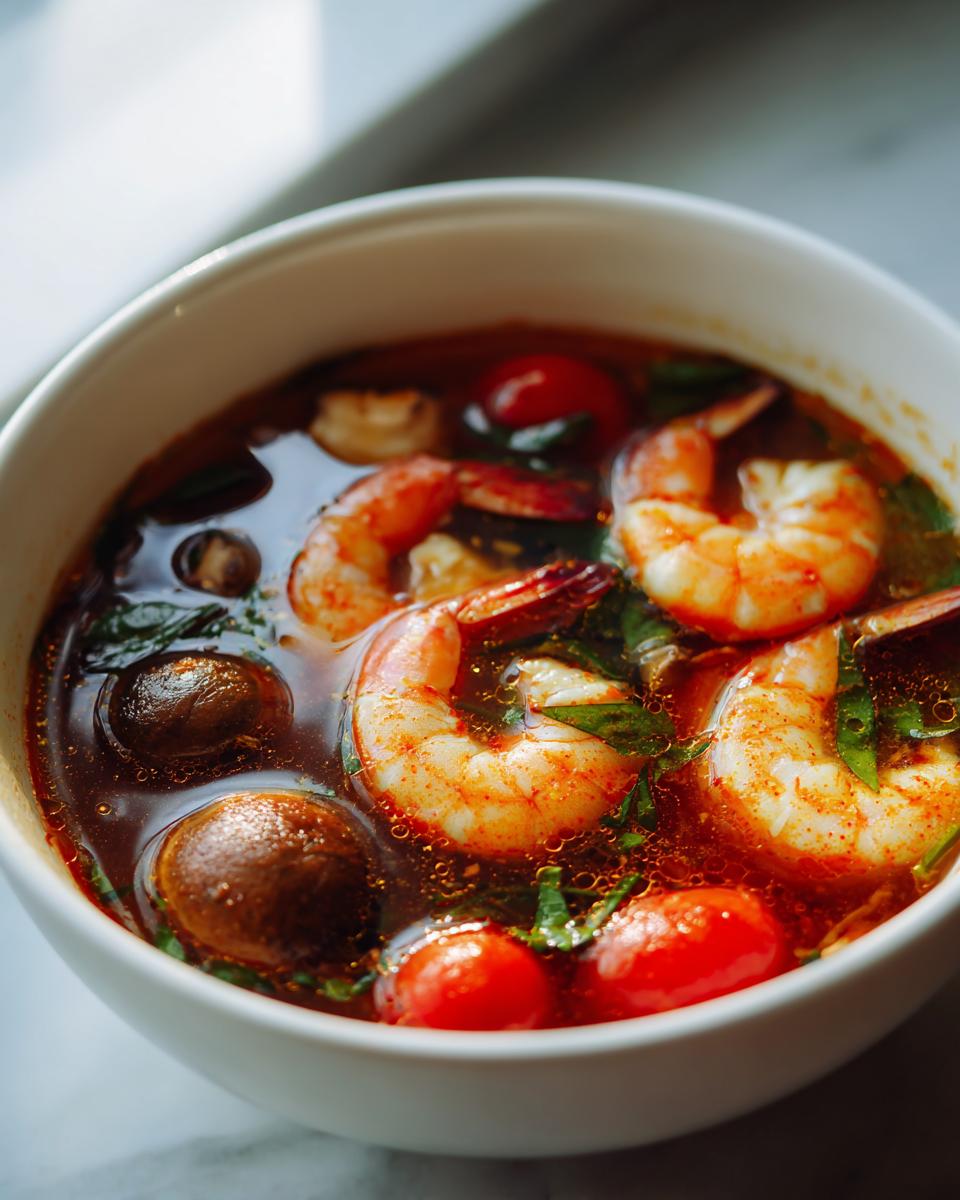
Step-by-Step Instructions for Perfect Tom Yum Soup
Now for the best part—watching that amazing broth come together! This is where we turn those wonderful, fragrant herbs into liquid gold. Don’t worry if you’re nervous about using an exotic soup recipe; I’ve broken down the steps so you execute it perfectly every single time. Following the timing here is important, especially for infusing the base before we add the more delicate ingredients. This ensures our tom yum soup has that signature depth.
Building the Aromatic Broth Base
First things first: grab that pot and combine your 6 cups of broth with all those amazing aromatics we prepped—the bruised lemongrass, the sliced galangal, and those torn kaffir lime leaves. Bring that mixture up to a boil over medium-high heat. Once it’s bubbling happily, you need to dial it back down to a gentle simmer. Don’t rush this part! You want that flavor to really soak into the liquid. Let it bubble gently for a full 10 minutes. This process is absolutely vital because it creates the intense foundation for what will become your perfect ‘Hot and Sour Soup.’
Infusing Flavor and Cooking Protein in Your Tom Yum Soup
After 10 minutes of aromatic bliss, carefully fish out and toss away the lemongrass, galangal, and kaffir lime leaves—we just needed their essence, not the bits themselves! Return that beautiful, clear broth to a gentle simmer. Now we add the protein: your shrimp or sliced chicken, along with the mushrooms. Cook those until they’re just done—shrimp turns pink, chicken cooks through—that usually takes about 3 to 5 quick minutes. Next, we layer the big hitters: stir in the Thai chili paste, the fresh lime juice, the fish sauce, sugar, and those crushed chilies. This is the moment of truth! Taste it now. Is it zingy enough? Add a squeeze more lime if you need more sourness. Does it need salt? Add a bit more fish sauce. You’re balancing the classic ‘Spicy Sour Soup’ profile right here. Finally, stir in your tomatoes, and if you want that creamy version, add your coconut milk now, just heating it gently for one minute. Be careful not to boil it once the milk is added!
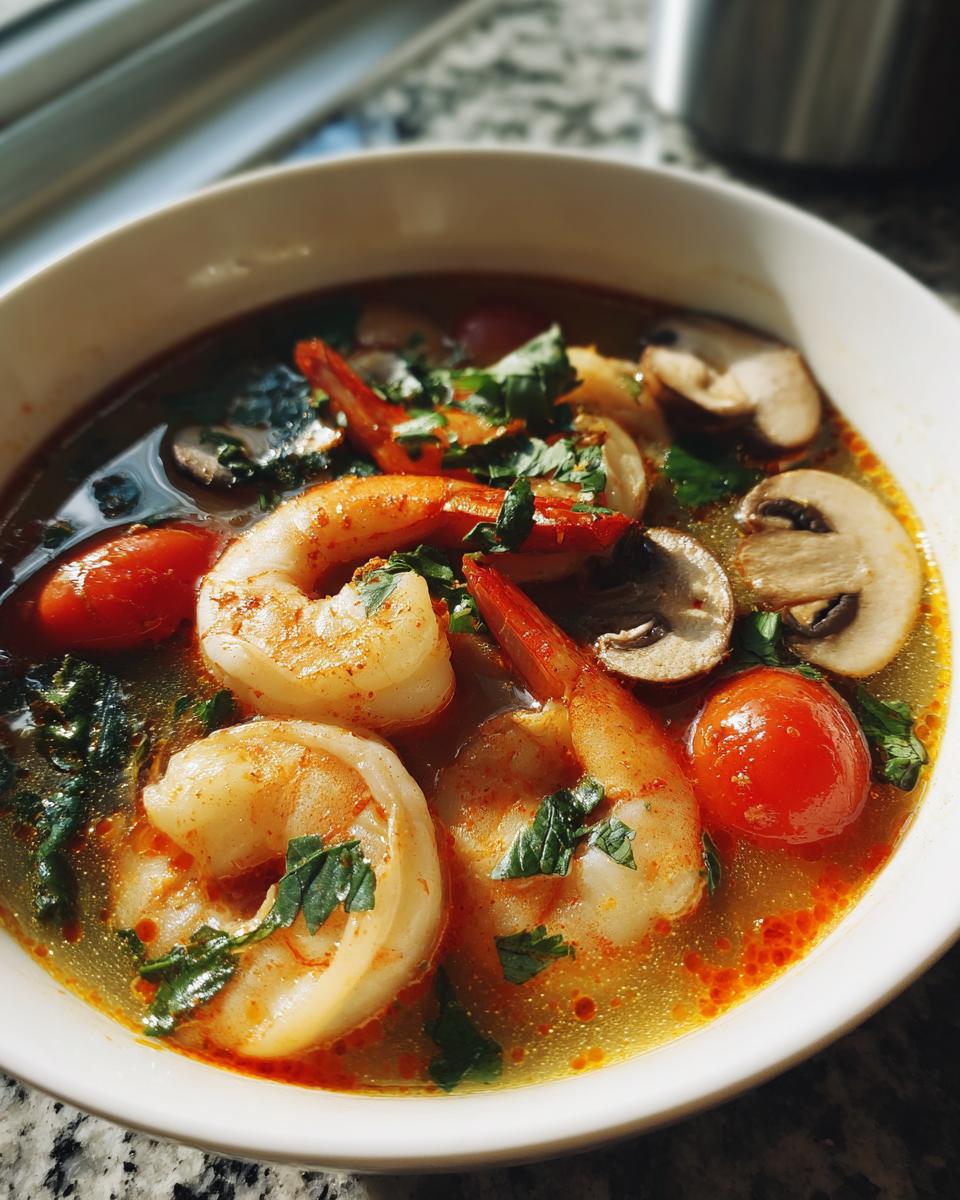
Ladle it right into bowls and top with a massive handful of fresh cilantro. If you’re having trouble with the seasoning, check out the tips on balancing the soup at the end of this post!
Customizing Your Tom Yum Soup: Creamy or Clear Options
One of the things I absolutely love about this famous tom yum soup is that it lets you decide exactly how rich you want your bowl to be! When you order this at a restaurant, you often have to specify if you want it clear or creamy, and you absolutely have that choice here at home too. It’s all about preference, but knowing the difference makes you feel like a pro preparing authentic Thai food.
Making a Traditional Clear Tom Yum Soup
If you are looking for that bright, laser-focused flavor that really cuts through and wakes up your palate, this is the way to go. The traditional route means you just skip the coconut milk entirely! You’ll rely solely on the fresh lime juice and the concentrated herb flavors to carry the broth. It results in an incredible ‘Thai Soup Recipe’ that feels light yet totally satisfying. Trust me, even without the creaminess, a clear Tom Yum is pure sunshine in a bowl.
Achieving a Creamy Tom Yum Soup Texture
Now, if you want indulgence—that hug-in-a-bowl feeling—we add a touch of lushness with coconut milk. This is where that optional quarter cup comes in. Remember in the instructions, that was Step 6? You fold that coconut milk in right at the very end once your shrimp or chicken is cooked and the seasonings are mixed in. You just want to heat it through gently, maybe a minute or so. The crucial rule here, and please listen to me on this one, is do not let it boil after the coconut milk goes in! If it boils, the texture can split or curdle, and we want smooth richness. This easy step immediately turns your soup into that wonderful ‘Creamy or Clear Soup’ option that feels deeply comforting.
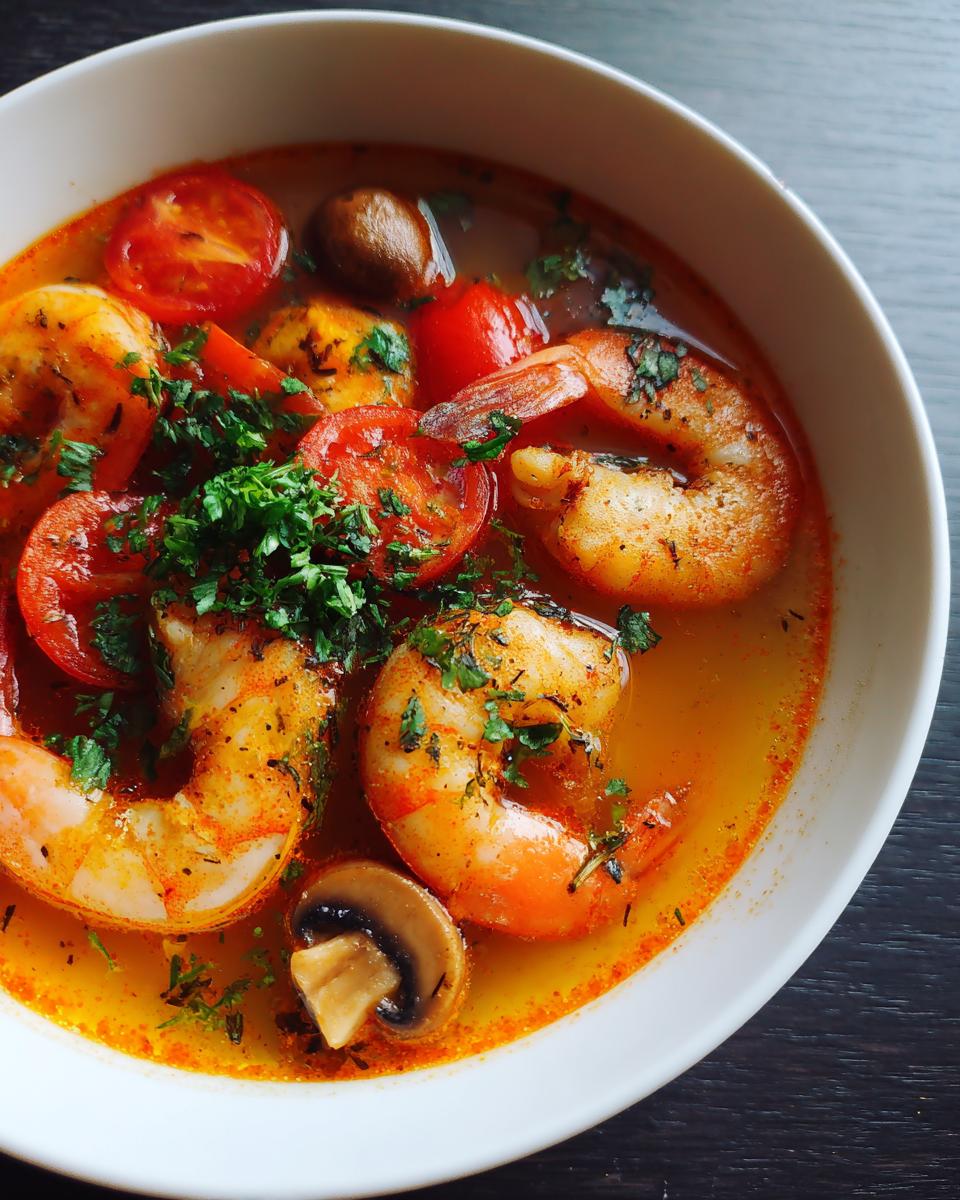
You can find some gorgeous ideas on making creamy soups that stand up well to strong flavors over at Tasty Crest, but honestly, just a little coconut milk in this recipe is perfect. If you’re looking for other creamy comfort dishes, check out my favorite white chicken lasagna soup!
Tips for Perfecting Your Homemade Thai Food
I always tell folks that making truly fantastic homemade treats isn’t about fancy gadgets; it’s about good ingredients handled with respect. These same rules absolutely apply when we’re dealing with the delicate flavors of a Thai broth. A few small tweaks in your shopping and technique will elevate this soup from good to “Wait, did I order takeout?” You want that genuine depth of flavor, not just a fast, thin liquid.
Sourcing Key Southeast Asian Soup Herbs
If you want that gorgeous, authentic fragrance, you cannot use dried herbs for this profile—it just won’t work the same way. Your best bet for finding fresh galangal (if you can’t find it, ginger is your stand-in) and those crucial kaffir lime leaves is heading to your local Asian grocery store. Please, seek them out! They are non-negotiable for nailing that true ‘Southeast Asian Soup’ vibe. You usually find the leaves packaged up in the refrigerated or fresh produce section, often near the basil varieties.
Balancing the Spicy, Sour, and Salty
This is where intuition comes in, but I’m going to give you the secret handshake. When you taste the soup right after adding the seasonings but before serving, it might taste a little harsh or unbalanced. That’s normal! The key is adjustment, and you do it incrementally. If it needs more tang, add lime juice a teaspoon at a time. If it needs more savory depth to cut through the spice, add a splash more fish sauce. Keep tasting until you hit that sweet spot where everything harmonizes. This careful balancing act is what separates a decent bowl from a phenomenal ‘Spicy Sour Soup’!
Variations: Chicken and Vegetarian Tom Yum Soup
One of the best things about mastering a great base recipe, like this delicious tom yum soup broth, is how easily you can pivot! Whether you’re serving someone who doesn’t eat seafood, or you just ran out of shrimp, adapting this recipe is super simple. It’s important to me that the recipes here work for everyone’s pantry and lifestyle. We covered the classic shrimp version, officially known as Tom Yum Goong, but these other protein options are just as exciting for a flavorful dinner.
Making Tom Yum Soup with Chicken
If you prefer poultry, swapping in chicken breast is incredibly easy. Just make sure you slice the chicken breast very thinly, maybe about a quarter-inch thick. Why thin? Because chicken takes a tiny bit longer to cook than shrimp does, and we don’t want to overcook those beautiful shrimp if you decide to mix them! When you’re substituting, you’ll add the chicken slices right after you strain the herbs out, just like you added the shrimp. You’ll simmer those slices until they are fully opaque and cooked through, which might take just a minute or two longer than the shrimp. Since you have a good base flavor from the herbs, the chicken picks up that spicy, sour goodness beautifully. If you’re trying to make this a full meal tonight, check out my recipe for easy shrimp fried rice to serve alongside it!
Creating a Flavorful Vegetarian Tom Yum
Making a truly satisfying Vegetarian Tom Yum requires a little planning, but it is absolutely worth it! First, remember that we must start with vegetable broth instead of chicken broth to keep it plant-based. The bigger swap is replacing the fish sauce; use a high-quality soy sauce or better yet, a vegetarian fish sauce if you can find one. Instead of shrimp, you have a couple of great routes to take for substance. You can use firm tofu, cubed and pan-fried lightly beforehand to give it some texture, or honestly, just load it up with extra mushrooms—think cremini or shiitake—so you get that wonderful umami depth. We keep all the essential herbs because the broth flavor is the star, no matter the protein!
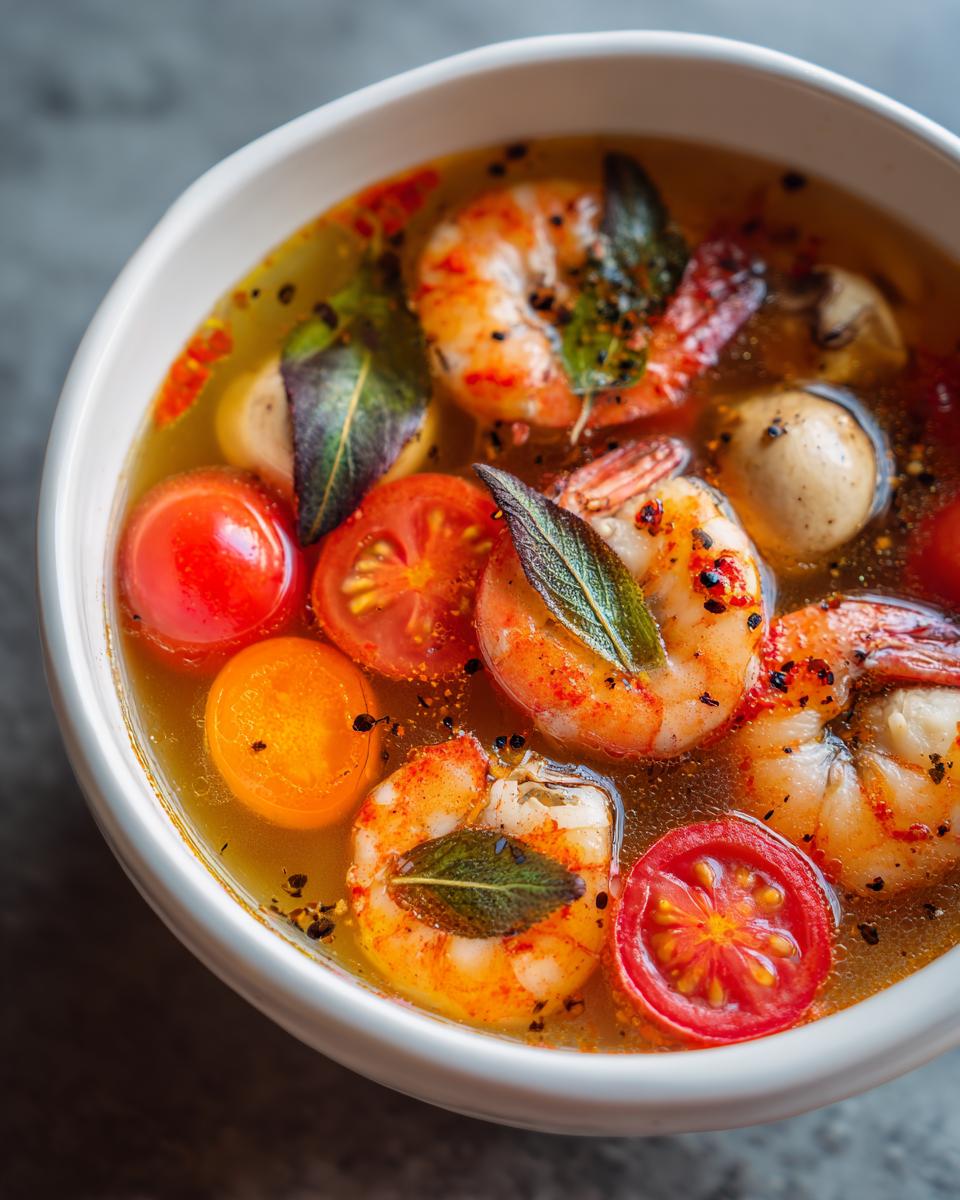
For serious plant-based inspiration, I always point folks over to look at the amazing recipe created by the team at Cooks Crafter; they do fantastic work with meatless versions of classic dishes!
Serving Suggestions for Your Tom Yum Soup
You’ve spent the time making this stunning, balanced flavor; now we need to make sure we serve it up right! A fantastic bowl of this hot and sour soup feels exciting on its own, but turning it into a complete, cozy meal is so simple. We don’t want to let all that aromatic broth go to waste, right? When I serve this for dinner, I always make sure there’s a little something extra to soak up the liquid goodness, much like I encourage with my mini cheesecake bites—presentation and pairing matter!
Pairing with Rice or Noodles
There are two primary ways to bulk up your soup into a real dinner centerpiece. The first, and what many people prefer, is serving the soup in a bowl alongside a small dish of plain, perfectly steamed white rice. This lets you dip bits of the rice into the tangy broth, savoring the flavor slowly. The second option, which makes it feel even more hearty, is adding noodles directly into the soup pot just before serving. Remember in the ingredient list how I mentioned cooked rice noodles as optional? Go ahead and toss a cup or so into each bowl before ladling the soup over top. The noodles soak up that incredible broth, making every single spoonful substantial.
Garnishing for Maximum Freshness
Don’t let your soup sit on the counter before serving because the final touch—the garnish—is just as important as the slow simmer we did earlier! You need that final pop of fresh green. I can’t stress this enough: be generous with the fresh cilantro. Chop it up fine and sprinkle a heap right on top of each bowl just as you bring it to the table. The bright, clean scent of the fresh cilantro hits your nose right before the fragrant steam of the soup hits your palate, making the whole experience so much better. It really brightens up the spicy, sour notes wonderfully.
Storage and Reheating the Best Tom Yum Soup
Now, what happens if you’re lucky enough to have leftovers? Because this soup is packed with so much bold flavor, it keeps beautifully, but you do need to be smart about how you store it, especially if you made the shrimp version. When you’re done eating, let the remaining liquid cool completely down before you cover it and stash it securely in the fridge. I usually find that when I pull leftovers out the next day, the flavor of the herbs has only deepened overnight—it’s almost even better!
The most important thing to remember when storing your **tom yum soup** is its protein. If you used shrimp, those get a little rubbery when reheated, no matter what you do. My advice is to strain out any leftover shrimp and store the broth base separately. Then, when you reheat the broth, just quickly cook a fresh, small batch of shrimp (or tofu if it’s vegetarian) and add those at the end. This keeps your texture perfect.
When reheating the broth, keep the heat relatively low. You want it warming through gently, not boiling rapidly. If you had the creamy version, just stir gently as it heats up to make sure that coconut milk stays smooth. This method ensures that second bowl of spicy, sour goodness tastes just as vibrant as the first time around. For handy tips on preserving other favorite items you might have extra of, check out my guide on canning and pickling!
Frequently Asked Questions About Tom Yum Soup
I get so many messages asking for clarification, which is totally fair when dipping into a new cuisine! Making something like this amazing ‘tom yum soup‘ should feel accessible, not intimidating. I’ve gathered the most common questions I hear from folks trying this for the first time—and don’t forget, if you have more questions, feel free to reach out via my contact page!
What makes Tom Yum soup authentic?
Authenticity really comes down to balancing those four pillars of Thai flavor! You need the perfect marriage of spicy, sour, salty, and sometimes just a tiny bit sweet. The real flavor engine is those aromatic ingredients: the pungent kick from the galangal, the citrus perfume of the kaffir lime leaves, the bright herby notes from the lemongrass, and the deep saltiness from the fish sauce. Missing any one of those seriously changes whether it tastes like a true ‘Spicy Sour Soup‘ or just a regular hot broth.
Can I make this soup ahead of time?
Oh yes, you absolutely can! In fact, making the broth base—which includes simmering all those herbs—a day ahead works wonders because those flavors meld beautifully overnight. However, here’s the catch: you have to hold back. If you used shrimp (or chicken), don’t cook them until you are ready to serve. Also, wait to add that crucial fresh lime juice until the very last minute. Fresh lime loses its bright zing quickly when heated, so adding it right before serving maximizes that satisfying sour punch in your ‘Shrimp Soup Recipe‘ base.
What is the difference between Tom Yum Goong and Tom Yum Gai?
That’s a fun bit of Thai vocabulary! It’s actually quite straightforward once you know the terms. ‘Goong’ (or Kung) just means shrimp, so ‘Tom Yum Goong’ is the classic shrimp version we often see in restaurants. ‘Gai’ simply means chicken. So, if you look at the protein variations in this recipe, we are covering both! You can use that same fantastic ‘tom yum soup‘ broth base and choose whichever protein suits your dinner plan best.
Share Your Experience Making This Flavorful Dinner Idea
I honestly hope this easy, bright, and zingy tom yum soup has found a permanent spot on your home rotation! There’s nothing that brings me more joy than knowing a recipe from HearthBite made its way onto your table and warmed up your family. We work so hard to make sure these recipes are reliable, but the real magic happens when you bring your own kitchen spirit to them.
So please, if you try this—whether you went with the classic shrimp, packed it with chicken, or kept it totally plant-based—I would absolutely love to hear about it! Head down to the ratings section below and leave me a star rating. Did you adjust the lime for extra zing? Did you use a bit more chili paste than I suggested? Tell me everything!
If you captured a photo of your beautiful, steaming bowls, tag us on social media! Connecting with you all and seeing your successes is truly the best part of running this site, way better than any marketing job I ever had. We are building this community together, one incredible bite after another. I invite you to check out the about page to see more of our story and why we focus on comfort and connection in the kitchen!
PrintThe Best Easy Homemade Tom Yum Soup (Classic Shrimp & Option for Chicken/Veggie)
Make authentic, restaurant-style Tom Yum Soup at home quickly. This recipe delivers the classic spicy, sour, and savory Thai flavor profile and includes options for shrimp (Tom Yum Goong), chicken, or a vegetarian broth.
- Prep Time: 15 min
- Cook Time: 20 min
- Total Time: 35 min
- Yield: 4 servings 1x
- Category: Dinner
- Method: Stovetop Simmering
- Cuisine: Thai
- Diet: Low Fat
Ingredients
- 6 cups chicken or vegetable broth
- 1 pound large shrimp, peeled and deveined (or 1 pound chicken breast, sliced thin)
- 1 stalk lemongrass, trimmed and lightly bruised
- 1 inch piece galangal, sliced (or ginger if galangal is unavailable)
- 4 kaffir lime leaves, torn
- 1/2 cup straw mushrooms, halved (or white button mushrooms)
- 2 tablespoons Thai chili paste (Nam Prik Pao)
- 1/4 cup fresh lime juice
- 1 tablespoon fish sauce (or soy sauce for vegetarian)
- 1 teaspoon sugar
- 1/2 cup cherry tomatoes, halved
- 2–4 Thai bird chilies, crushed (adjust for heat preference)
- Fresh cilantro, chopped, for garnish
- Optional: 1/4 cup coconut milk for a creamy version
- Optional: 1 cup cooked rice noodles for serving
Instructions
- Prepare the aromatic base: In a large pot, combine the broth, bruised lemongrass, sliced galangal, and torn kaffir lime leaves. Bring the mixture to a boil over medium-high heat.
- Simmer the broth: Reduce the heat and let the broth simmer gently for 10 minutes to infuse the flavors.
- Strain the broth: Remove and discard the lemongrass, galangal, and kaffir lime leaves using a slotted spoon or fine-mesh sieve. Return the clear, aromatic broth to the pot.
- Add protein and vegetables: Increase the heat slightly. Add the shrimp (or chicken slices) and mushrooms. Cook until the shrimp turns pink or the chicken is cooked through, about 3 to 5 minutes.
- Season the soup: Stir in the Thai chili paste, lime juice, fish sauce, sugar, and crushed Thai chilies. Taste and adjust seasoning—add more lime for sourness, fish sauce for saltiness, or sugar for balance.
- Add final ingredients: Stir in the cherry tomatoes. If you prefer a creamy Tom Yum Soup, stir in the coconut milk now. Heat through for one minute, but do not boil after adding coconut milk.
- Serve immediately: Ladle the hot and sour soup into bowls. Garnish generously with fresh cilantro. Serve with rice or noodles if desired.
Notes
- For Vegetarian Tom Yum: Use vegetable broth and substitute fish sauce with soy sauce or vegetarian fish sauce. Use tofu or extra mushrooms instead of shrimp or chicken.
- For a clearer broth, avoid adding coconut milk. For a richer, creamier broth, add up to 1/2 cup of coconut milk.
- You can find lemongrass, kaffir lime leaves, and galangal at most Asian grocery stores. These herbs are essential for authentic Tom Yum flavor.
Nutrition
- Serving Size: 1 bowl
- Calories: 180
- Sugar: 4
- Sodium: 650
- Fat: 4
- Saturated Fat: 1
- Unsaturated Fat: 3
- Trans Fat: 0
- Carbohydrates: 15
- Fiber: 2
- Protein: 22
- Cholesterol: 150