

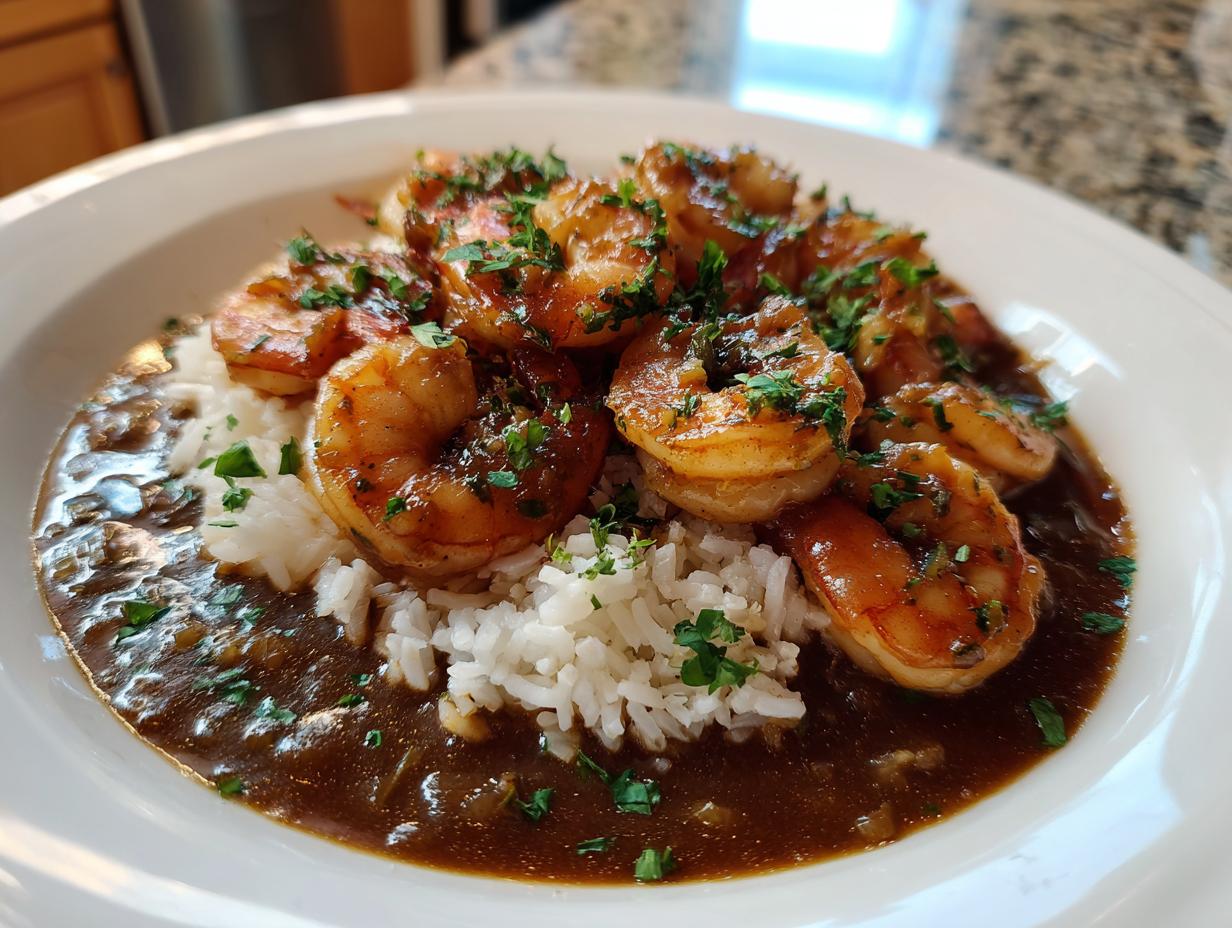
There is just nothing quite like diving into a bowl of true Southern comfort food, is there? When I’m craving that deep, soulful warmth, my go-to is always a perfect, rich shrimp etouffee. This isn’t just any seafood dish; this is a taste of Louisiana right in your own dining room. My goal here at HearthBite is to bring you recipes that feel deeply authentic but don’t demand you spend all day in the kitchen. So, we’re going to focus on the absolute bedrock of this dish: making a proper dark roux. Trust me, if you conquer the roux, you conquer the etouffee, and I’ll walk you through every patient step! If you love this kind of soulful classic, make sure you check out all our other comfort food recipes too.
- Why This Authentic Shrimp Etouffee Recipe Works for Your Kitchen
- Gathering Ingredients for Flavorful Shrimp Etouffee
- Mastering the Dark Roux for Your Shrimp Etouffee
- Simple Etouffee Instructions: Building the Rich and Creamy Shrimp Sauce
- Finishing Your Flavorful Shrimp Dinner: Cooking the Shrimp
- Serving Suggestions for Classic Shrimp Etouffee Over Rice Dishes
- Storage and Reheating Instructions for Leftover Shrimp Etouffee
- Tips for Success with Cajun Seafood Recipes
- Frequently Asked Questions About Making Shrimp Etouffee
Why This Authentic Shrimp Etouffee Recipe Works for Your Kitchen
I know your time is valuable, which is why I’ve made sure this recipe delivers on flavor without taking over your entire evening. Even though we’re taking our time making that beautiful roux, the actual assembly is quite snappy! Here’s what you get when you follow our steps:
- Deep, Authentic Flavor: We don’t cut corners on the dark roux or the seasonings, giving you that true South Louisiana taste.
- Technique You Can Master: I provide super clear instructions on how to make a roux for etouffee, making this classic accessible for beginners.
- Weeknight Winner: Despite its rich taste, this comes together quickly enough for a flavorful seafood dinner any night of the week.
Gathering Ingredients for Flavorful Shrimp Etouffee
Okay, let’s talk about what goes into this amazing dish. With Authentic Louisiana Cooking, the quality of what you put in really shines through at the end. Since we are starting with a dark roux, we want everything else to be as fresh and direct as possible to really layer that smoky flavor!
This recipe focuses on the essentials needed for a deeply satisfying sauce. You’ve got your roux base, of course—the flour and oil—but then we rely on the classic ‘holy trinity’ of the South: onion, bell pepper, and celery. Don’t skip any of those! I always make sure my vegetables are chopped evenly so they soften up in the roux at the same rate.
Then we bring in the stock, tomatoes, and those fantastic spices—thyme, oregano, smoked paprika, and a kick of cayenne. Remember, we want plump shrimp, so make sure you get large ones that you can peel and devein ahead of time. Everything ready before the stirring starts is my golden rule!
Mastering the Dark Roux for Your Shrimp Etouffee
If you are serious about achieving truly authentic Cajun flavor, you have to treat the roux like a very patient friend. This is the heart of our shrimp etouffee, and it cannot be rushed! I remember the first time I tried making a dark roux; I thought I had stirred long enough, but my mother gently pointed out that it was still just peanut butter colored when we needed milk chocolate! It takes time—sometimes 30 minutes or more—but you must stay right there over the stove. What you are aiming for is a deep, dark brown, like a shiny, dark penny. Don’t let it spit or smoke too aggressively; that means you’ve burned it, and you have to start over. That deep color is what gives our etouffee that incredible, smoky depth that you just can’t get any other way. If you want more inspiration on soulful dishes, take a look at our collection of comfort food recipes.
How to Make a Roux for Etouffee: Achieving the Right Color
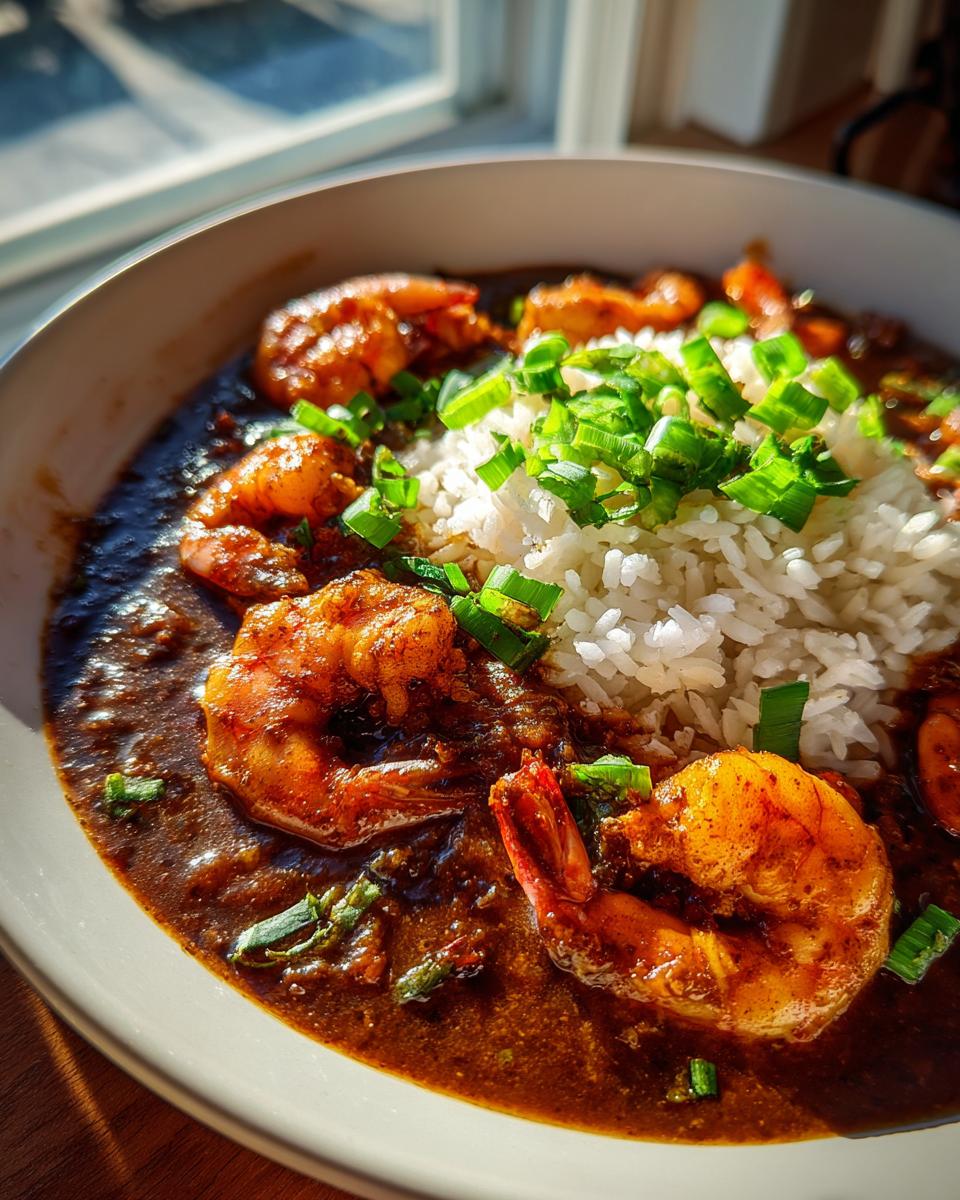
Grab your heaviest pot because we want even heat! Mix your half cup of flour and half cup of oil together right over medium heat. Medium is key here—too high and you burn it faster than you can blink! From this point on, you are committed; you must stir constantly. Seriously, don’t walk away to check your phone or grab a drink! We keep stirring and scraping the bottom until that pale mixture slowly transforms into that gorgeous dark brown color we talked about. If you see black specks, stop stirring for a second to check; if it looks burnt, ditch it and start fresh. That rich color is your flavor jackpot!
Immediate Next Step After Roux: Adding the Holy Trinity
The second your roux hits that perfect deep brown, you need to shock it! This stops it from cooking further and burning right there in the pot. Right away, dump in your onion, bell pepper, and celery—the holy trinity! The vegetables hit that hot oil and roux mixture, and it goes quiet for a moment. That sizzle is actually cooling the roux down just enough to be safe. Now, you stir those veggies in for about five to seven minutes until they start getting soft. This is when the foundational aromatics start blending perfectly into that smoky base for your shrimp etouffee.
Simple Etouffee Instructions: Building the Rich and Creamy Shrimp Sauce
Now that we’ve got our beautiful, dark, smoky base—thanks to that hard work on the roux and the softening of our trinity—it’s time to turn this into the gorgeous, thick sauce that makes this dish famous. This is where we start building that unforgettable, rich and creamy shrimp sauce that you’ll want to eat with a spoon! If you’re looking for other rich, slow-cooked favorites, you should browse some of our comfort food recipes.
First things first: take your seafood stock and start adding it slowly, a little bit at a time, while whisking constantly. You need to whisk like your life depends on it! If you just dump all four cups in, you’ll end up with little flour clumps, and we absolutely don’t want that grainy texture. Whisk until every single bit of liquid is smooth and integrated before adding the next splash. Once the stock is in, throw in your diced tomatoes (with all their juice!), the dried thyme, oregano, smoked paprika, cayenne, and the bay leaf. Give it a good stir.
Simmering for Authentic Louisiana Cooking Depth
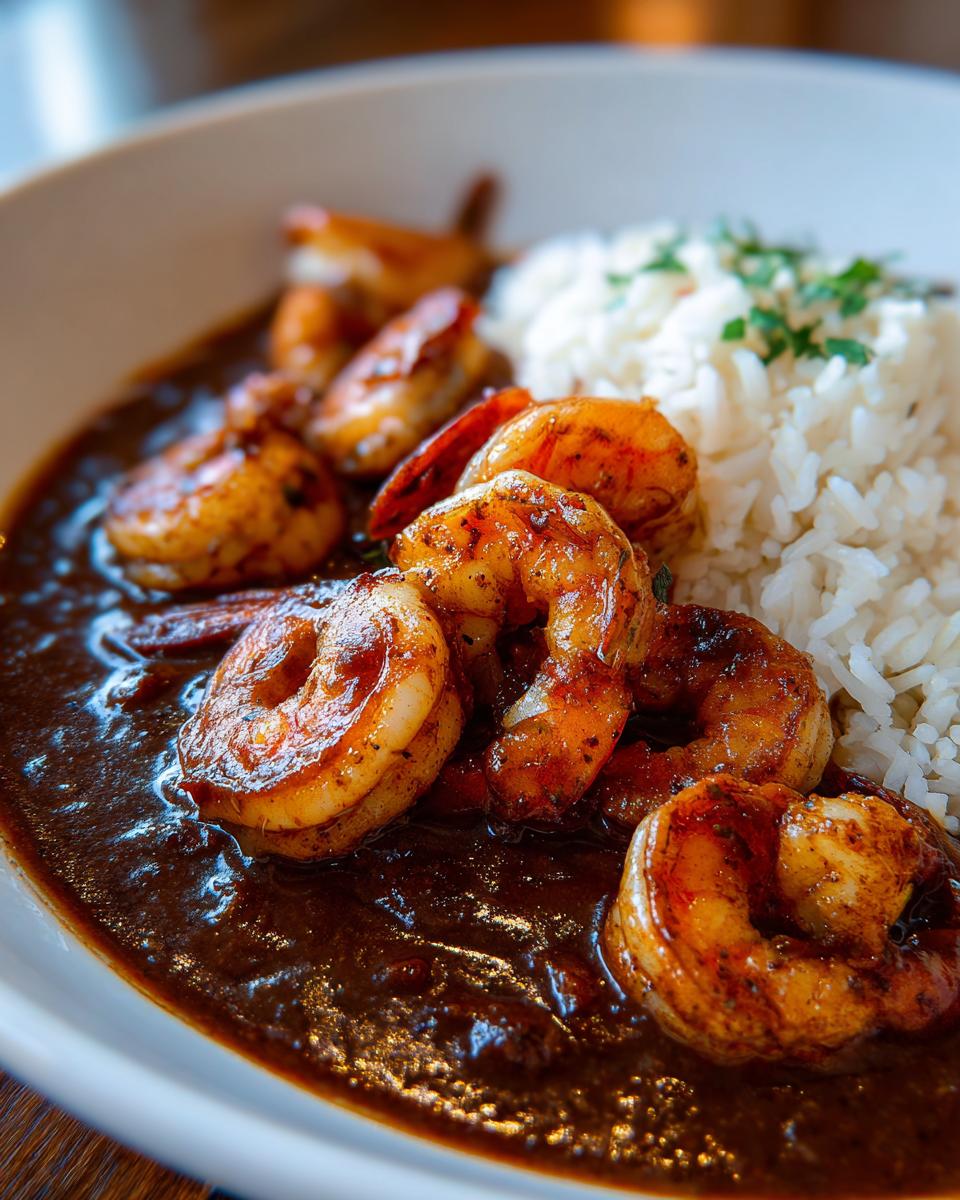
Once everything is mixed, bring the whole pot up to a gentle simmer over low heat. We need to let the magic happen back here! Cover the pot just partially—you want the steam to escape a little—and let this rich base bubble away for at least 30 minutes. That lengthy, slow simmer is crucial for Authentic Louisiana Cooking because it allows the flavors from the roux and the spices to really meld perfectly with the stock. If you rush this, it just tastes like spicy gravy; give it that time, and it tastes like home!
Finishing Your Flavorful Shrimp Dinner: Cooking the Shrimp
The sauce is simmering beautifully now, and your kitchen smells like pure Louisiana magic! Now we welcome the star of the show: the shrimp. Before adding them to the pot, I always give my peeled and deveined shrimp a very light dusting of salt and pepper. Don’t over-season here because the sauce is already packed with flavor from our long simmer.
Gently fold the seasoned shrimp right into that hot, fragrant sauce. This is the moment where you need to watch closely! Shrimp cook incredibly fast, and if you let them boil away, they turn rubbery, which is just a crime against a good shrimp dinner. You are only looking for them to cook through, which usually takes about 3 to 5 minutes. They are done when they curl slightly and turn that lovely, opaque pink color. Once they look ready, kill the heat immediately! We’ve worked too hard for incredible texture to ruin it now. Pull out that bay leaf, give it one last taste adjustment, and get ready to serve that perfect, flavorful shrimp dinner.
Serving Suggestions for Classic Shrimp Etouffee Over Rice Dishes
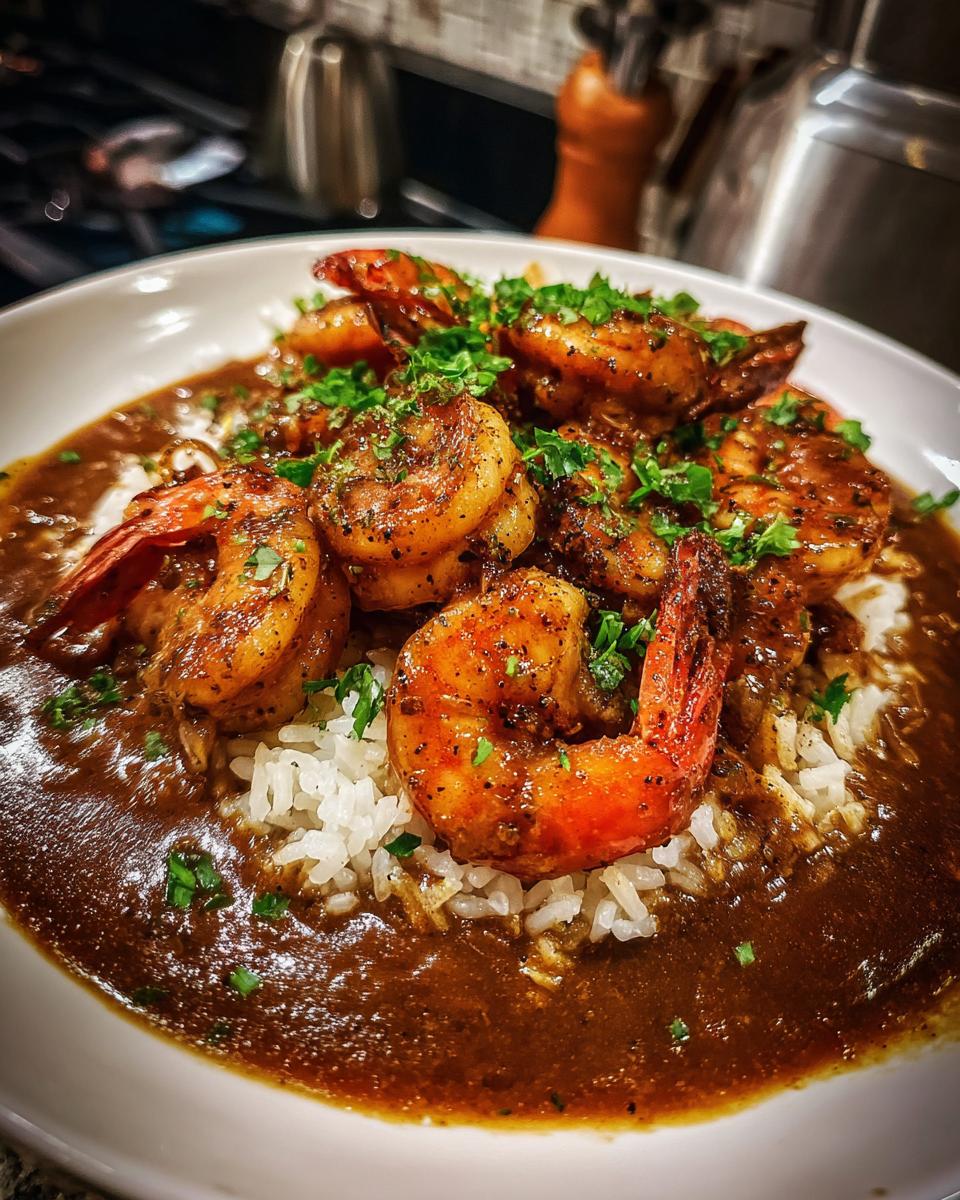
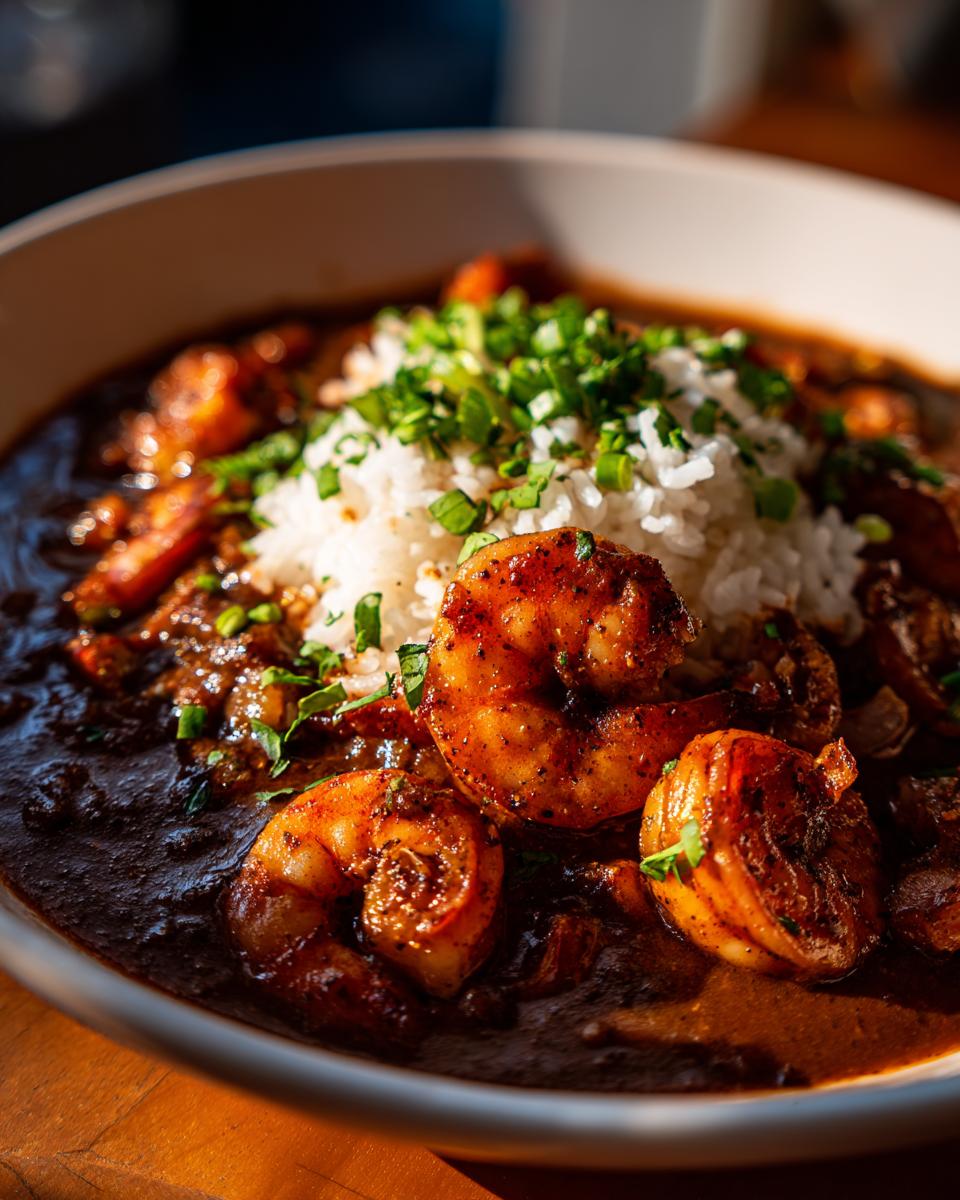
We made it! The wait is over, and now we have this incredibly rich and savory shrimp etouffee ready to enjoy. This dish is classic Southern Comfort Food, and in my book, it’s simply non-negotiable that it’s served over a mound of steaming hot white rice. The rice is there to gently soak up all that beautiful, dark, spiced sauce—it’s the perfect vehicle!
After you ladle that stew over the rice, my favorite finishing touch is a generous sprinkle of fresh, chopped green onions right on top. That little bit of fresh green gives a nice visual pop and a tiny counterpoint to the richness. But listen to me: don’t forget the bread! You absolutely need some crusty bread on the side. Whether you grab a baguette or bake up a loaf yourself using my easy crusty Italian bread recipe, that bread is essential for making sure not a single drop of that amazing sauce goes to waste. Don’t let any of this excellent stock go un-mopped!
Storage and Reheating Instructions for Leftover Shrimp Etouffee
Oh, if you have leftovers, you hit the jackpot! This shrimp etouffee tastes even deeper the next day because all those smoky spices have more time to marry together in the sauce. Keep any leftovers in a shallow, airtight container in the fridge—I usually find it stays fantastic for about three days.
When you’re ready to enjoy it again, here’s my big tip: reheat it low and slow on the stovetop. Seriously, keep the heat gentle. If you boil that sauce again, those lovely, plump shrimp will seize up on you and get tough. Just warm it gently until everything is heated through. Make sure you serve it with fresh, hot rice when you reheat it!
Tips for Success with Cajun Seafood Recipes
I want you to feel absolutely confident when you tackle this recipe and any other Cajun seafood recipes you try down the line. Making real Louisiana food is all about layering flavor, right from the start. So, here are a couple of little secrets I picked up that always make my shrimp etouffee better.
First, always use seafood stock if you can get your hands on it! Chicken stock works fine in a pinch, but seafood stock just amplifies that fresh coastal taste so much more. If you happen to have shrimp shells after peeling, simmer them with some water for 20 minutes before using that liquid—it totally changes the game. Also, don’t be shy with the cayenne, but respect it. Taste your sauce before the shrimp go in, and add that spice incrementally until it sings for you. If you want to see how another great cook approaches this dish, check out this lovely Pappadeaux-inspired etouffee for comparison!
Frequently Asked Questions About Making Shrimp Etouffee
I’ve tried to keep this recipe as flavorful and robust as possible, but sometimes questions pop up when you’re diving into a classic like this. Don’t worry if you feel stuck on a step; that’s what I’m here for! Ask away, and I’ll give you the best advice I have from my own kitchen experiments. If you need something faster after reading this detailed version, feel free to check out our quick and easy dinner recipes.
Can I use pre-made roux for this Creole Dinner Idea?
That’s a fair question, especially if you’re short on time! I’m going to tell you honestly: if you want the absolute best flavor for your Creole dinner idea, stirring that roux from scratch is non-negotiable for me. When you make it yourself in the pot, you’re integrating the oils and the flour with the heat and time, allowing those deep, smoky flavors to develop slowly. Pre-made roux is usually only dark enough for a light brown gravy. If you use it, you’ll get a decent sauce, but you just won’t get that profound, authentic depth that makes this shrimp etouffee so special.
What is the difference between Cajun and Creole Shrimp Etouffee?
People often mix these two up, and honestly, the difference is subtle but important to a good cook! Traditionally, Cajun cooking originates from the rural bayou areas and often skips tomatoes entirely for a purely brown roux and stock-based sauce. Creole cooking, being more city-based in New Orleans, sometimes incorporates acidity from tomatoes. Since my recipe includes those lovely canned tomatoes for a little brightness and color, you could lean this toward a Creole-style base, but we are using that deep, dark Cajun roux as the foundation. I think we end up with the best of both worlds: bold Cajun flavor made slightly brighter!
Can I make this a Quick Weeknight Seafood Meal by speeding up the roux?
I totally understand the desire to take this amazing dish from a relaxed Sunday dinner to a super-fast weeknight meal! However, you really can’t hurry the creation of a true dark roux safely. Remember, we talked about it taking 20 to 30 minutes over medium heat? If you crank that heat up to try and finish in 10 minutes, you will scorch the flour, and that burnt taste ruins the entire pot. It will turn bitter instantly. So, while the total time is about an hour, think of the 30 minutes of roux-making as your meditative stirring time. It’s worth the pause for such robust flavor!
PrintAuthentic Cajun Shrimp Etouffee: A Rich, Flavorful Southern Classic

Make this rich and savory Shrimp Etouffee, a true taste of Louisiana cuisine. This recipe focuses on building deep flavor through a proper dark roux, resulting in a comforting, satisfying meal served over white rice.
- Prep Time: 15 min
- Cook Time: 45 min
- Total Time: 60 min
- Yield: 4 servings 1x
- Category: Dinner
- Method: Stovetop Simmering
- Cuisine: Cajun/Creole
- Diet: Vegetarian
Ingredients
- 1/2 cup all-purpose flour
- 1/2 cup vegetable oil
- 1 large yellow onion, chopped
- 1 green bell pepper, chopped
- 2 celery stalks, chopped
- 3 cloves garlic, minced
- 1 pound large shrimp, peeled and deveined
- 4 cups seafood or chicken stock
- 1 (14.5 ounce) can diced tomatoes, undrained
- 1 teaspoon dried thyme
- 1 teaspoon dried oregano
- 1 teaspoon smoked paprika
- 1/2 teaspoon cayenne pepper (adjust to your spice preference)
- 1 bay leaf
- Salt and black pepper to taste
- 1/4 cup chopped green onions, for garnish
- Cooked white rice, for serving
Instructions
- Make the Roux: In a heavy-bottomed pot or Dutch oven, combine the flour and oil over medium heat. Stir constantly until the mixture darkens to a deep, milk chocolate brown color. This step requires patience; do not rush it. This usually takes 20 to 30 minutes.
- Sauté the Trinity: Once the roux reaches the desired color, immediately add the chopped onion, bell pepper, and celery (the ‘holy trinity’). Stir constantly for about 5 to 7 minutes until the vegetables soften. The roux will cool slightly, preventing burning.
- Add Aromatics: Stir in the minced garlic and cook for 1 minute until fragrant.
- Build the Sauce: Gradually whisk in the seafood stock, ensuring no lumps remain. Add the diced tomatoes, thyme, oregano, smoked paprika, cayenne pepper, and bay leaf. Bring the mixture to a simmer.
- Simmer: Reduce the heat to low, cover the pot partially, and let the etouffee simmer for at least 30 minutes, stirring occasionally, to allow the flavors to meld. This develops the authentic Cajun flavor.
- Cook Shrimp: Season the shrimp lightly with salt and pepper. Add the shrimp to the simmering sauce. Cook for 3 to 5 minutes, or until the shrimp turn pink and opaque. Do not overcook the shrimp.
- Finish and Serve: Remove the bay leaf. Taste the sauce and adjust salt and pepper as needed. Serve the rich Shrimp Etouffee immediately over generous portions of hot white rice. Garnish with fresh chopped green onions.
Notes
- Mastering the dark roux is key to authentic Cajun flavor; aim for the color of a dark penny or milk chocolate.
- Serve this dish with crusty French bread to soak up the flavorful sauce.
- For a bolder flavor, substitute half the stock with shrimp shells simmered for 20 minutes.
Nutrition
- Serving Size: 1 serving
- Calories: 450
- Sugar: 4
- Sodium: 650
- Fat: 25
- Saturated Fat: 5
- Unsaturated Fat: 20
- Trans Fat: 0
- Carbohydrates: 30
- Fiber: 3
- Protein: 30
- Cholesterol: 250