

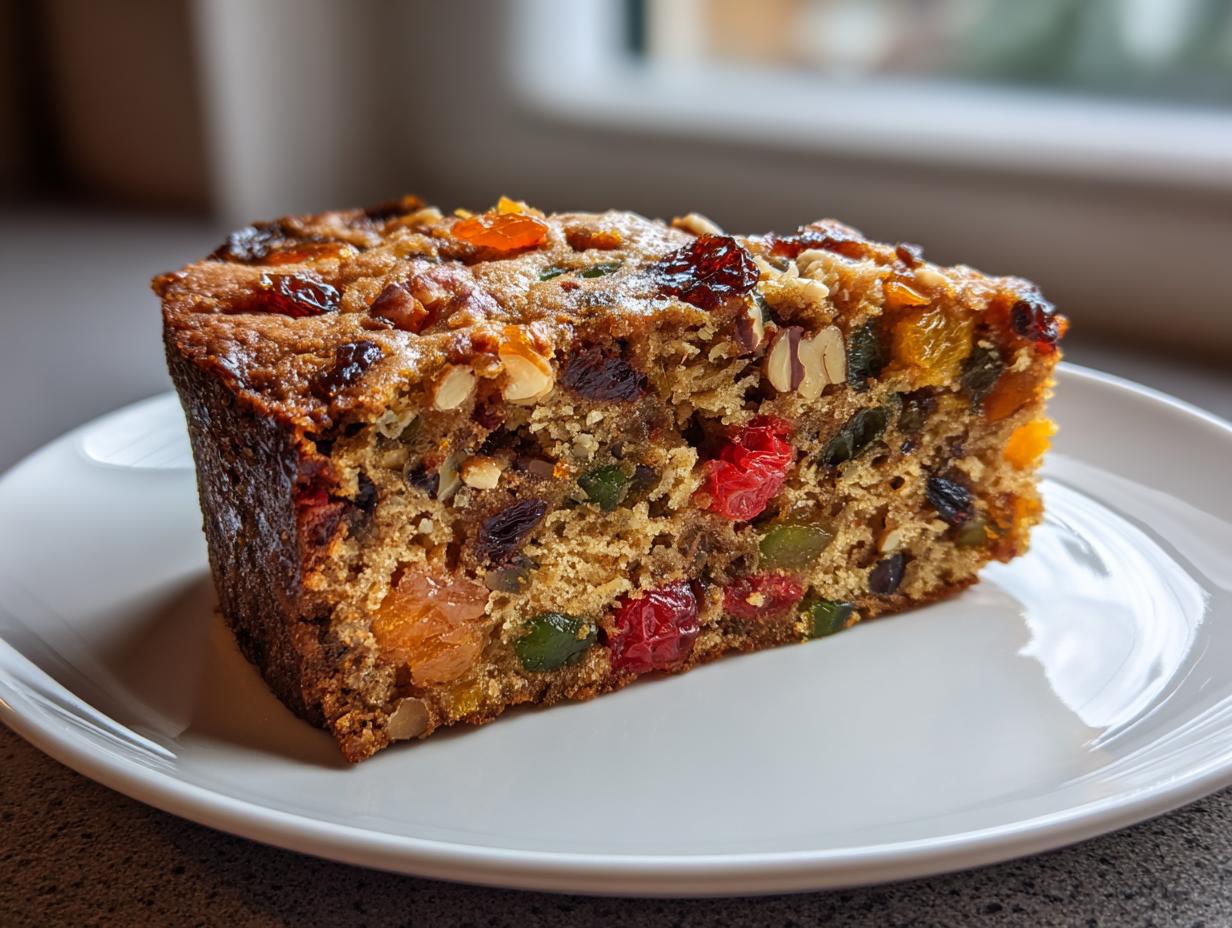
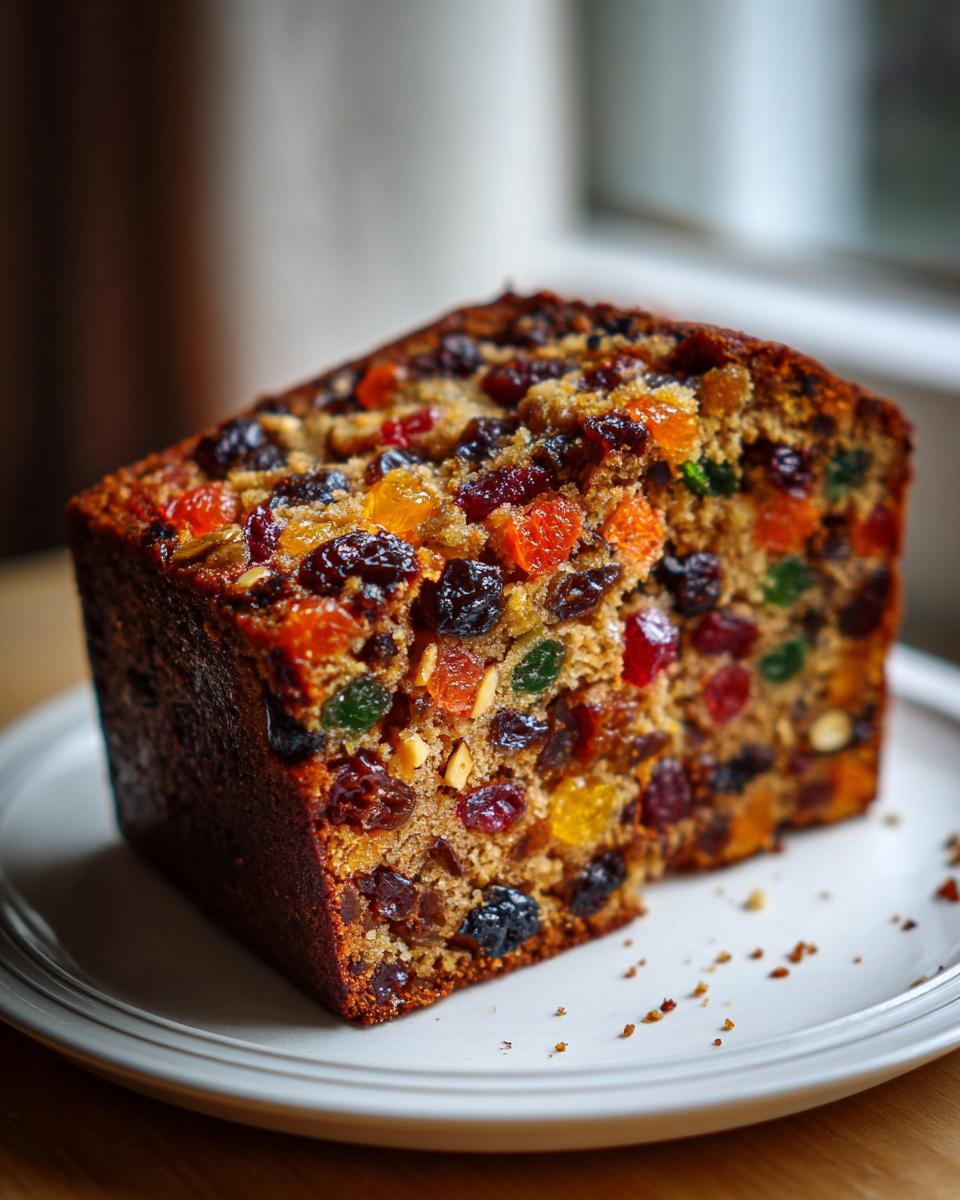
When the air turns crisp and the lights start twinkling, you just know it’s time for that deep, comforting flavor only holiday baking can deliver. Now, I know what you’re thinking—fruit cake gets a bad rap sometimes, usually because it turns out dry! But I promise you, that’s because people are using the wrong recipes. My mother used to make this for her holiday open houses, and it was always the first thing to disappear. This comfort food is built on tradition, but perfected for ease. I spent years tweaking my own mother’s notes to create this Easy, Moist, Traditional fruit cake recipe that guarantees a rich loaf every single time. Forget the dry bricks of the past; we are making something spectacular here!
- Why This Easy Fruit Cake Recipe Stays Moist
- Ingredients for Your Traditional Fruit Cake Recipe
- Simple Steps for Easy Fruitcake Baking
- Baking and Cooling Your Classic Holiday Cake
- Aged Fruit Cake Secrets: Making This Fruit Cake Recipe Better Over Time
- Ingredient Notes and Substitutions for Your Fruit Cake Recipe
- Frequently Asked Questions About This Fruit Cake Recipe
- Serving Suggestions for Your Homemade Holiday Baking
- Sharing Your Perfect Fruit Cake Recipe Results
Why This Easy Fruit Cake Recipe Stays Moist
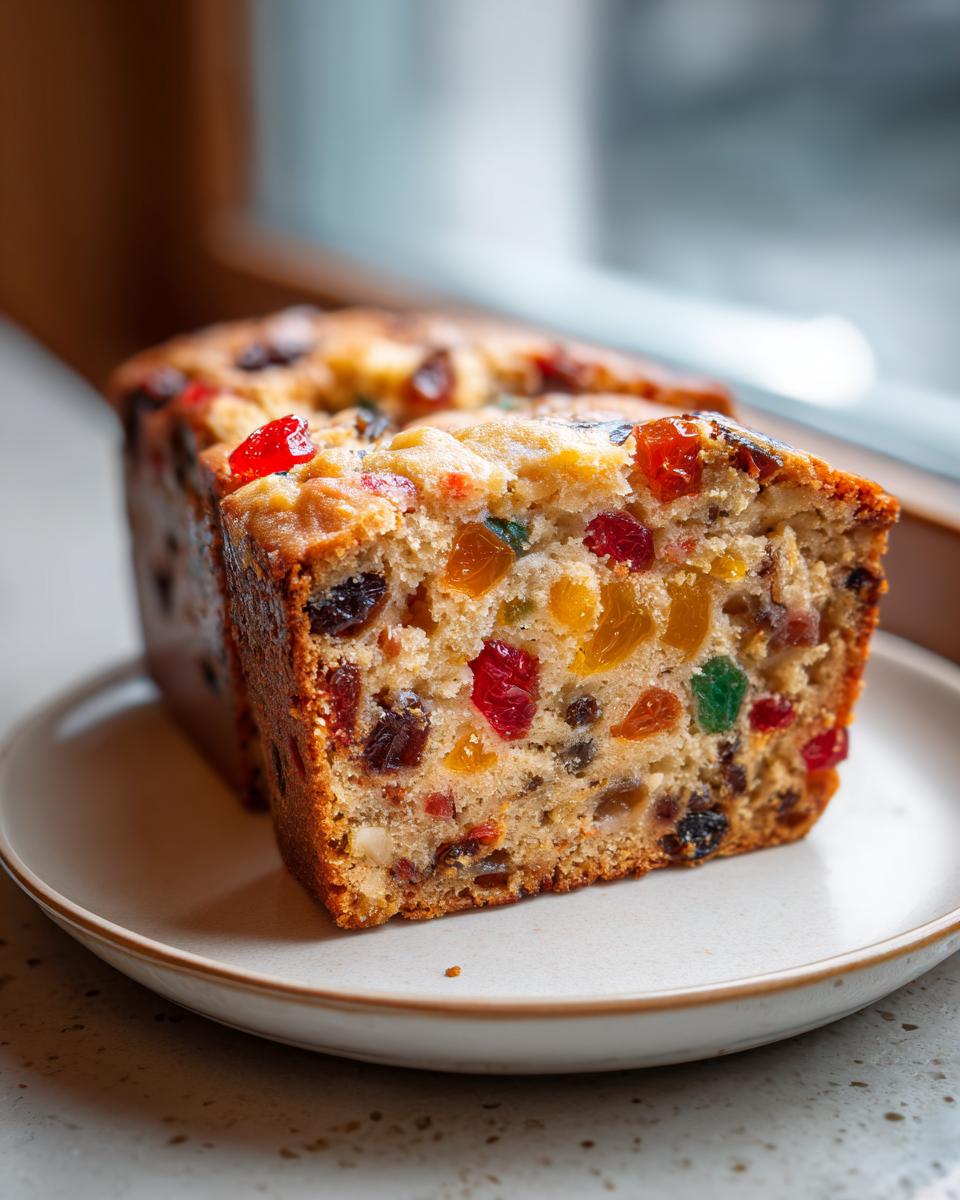
The absolute biggest complaint I hear about holiday cakes is that they turn into dusty relics after a week. Not this one! This is why I spent so much time perfecting what I now call my Moist Fruit Cake Recipe. The secret isn’t just the fruit content; it’s how we treat the ingredients before they even hit the batter. We rely on two things: soaking the fruit properly, and making sure we treat the fats right at the beginning. After testing so many versions—trust me, I made some bricks early on—this method became my foolproof guarantee for a tender crumb. You deserve a holiday cake that’s as rich on day five as it is on day one! I even use the same principles for my date nut bread!
Tips for a Tender Crumb in Your Fruit Cake Recipe
You really need to pay attention to the small stuff here, and it makes such a difference in the final texture of your fruit cake recipe. Trust me, these little steps elevate it instantly. If you want to see how others keep their cakes soft, check out these tips on easy traditional fruitcake recipes that stay moist.
- Always use room temperature eggs! When eggs are cold, they shock the creamed butter and sugar, making the mixture seize up instead of fluffing properly. We need those air bubbles for a tender structure.
- When you add the flour mixture, stop mixing as soon as you see the last streak disappear. Seriously, stop. Overmixing develops gluten, and gluten means your cake will be chewy, not tender.
- The choice of pan matters too! Using a tube pan or lining a round pan means the heat distributes more evenly, preventing dry edges while the center struggles to cook through.
Ingredients for Your Traditional Fruit Cake Recipe
Gathering your ingredients is half the fun! Since this is a Christmas Fruit Cake, we’re keeping the ingredient list straightforward so you can focus on the holiday rush. I’ve organized everything so that when you follow along later, nothing sneaks up on you. Remember, since we’re making a rich dessert, using quality ingredients really shines through. For my step-by-step guide on making Christmas cookie bars, you should check that out for more holiday inspiration!
Here is exactly what you need for a fantastic, moist loaf:
- 1 cup (2 sticks) unsalted butter, softened—make sure it’s soft enough to leave a clear dent!
- 1 cup packed light brown sugar—that molasses depth is non-negotiable for flavor.
- 4 large eggs, room temperature—this is key for smooth mixing, so plan ahead!
- 1 teaspoon vanilla extract
- 1 teaspoon almond extract
- 2 cups all-purpose flour
- 1 teaspoon ground cinnamon
- 1/2 teaspoon ground nutmeg
- 1/4 teaspoon ground cloves
- 1/4 teaspoon salt
- 1/2 teaspoon baking soda
- 1/2 cup orange juice—this acts as a liquid binder, don’t skip it.
- 1 pound mixed dried fruit (make sure you have raisins, currants, candied cherries, and maybe some citron if you’re feeling traditional!)
- 1 cup chopped pecans or walnuts—whatever nuts you love work here!
- 1/4 cup brandy or dark rum (optional, but highly recommended for that classic holiday kick!)
Simple Steps for Easy Fruitcake Baking
See? I told you this fruit cake recipe was designed to be easy! We need to get those fruits happy first, and then we keep our mixing gentle. If you want a truly fail-proof loaf that people will rave about, check out these simple steps inspired by some folks who also master the never fail fruit cake!
Preparing the Fruit for the Best Fruit Cake Recipe
This is where the magic flavor starts, my friends! If you are using that brandy or rum—and oh, I hope you are—you need to get those fruits bathing in it for hours, or even overnight. If you’re skipping the alcohol, just use strong brewed tea or extra orange juice. The key is hydration! You want plump, happy fruit, not little sad, dry specks hiding in your cake. Once they’ve had their soak, drain them really well. You don’t want that excess liquid pooling in the bottom of your pan later!
Mixing and Combining the Fruit Cake Recipe Batter
Once your fruit is ready, we move right into the batter mixing, following the creaming method we talked about earlier (butter and sugar first until it’s beautifully pale!). After the eggs go in, you’ll slowly introduce the dry ingredients—that flour, spice, and soda mix. And here’s the big moment again: Mix them on low speed until they are *just* about combined. Seriously, stop the mixer when you still see a little bit of flour hanging around. Then, grab a spatula and gently fold in those beautiful, soaked fruits and nuts. You’re not trying to beat air into it anymore; you’re just tucking everything in nice and cozy. This gentle folding is what keeps our homemade holiday dessert wonderfully tender!
Baking and Cooling Your Classic Holiday Cake
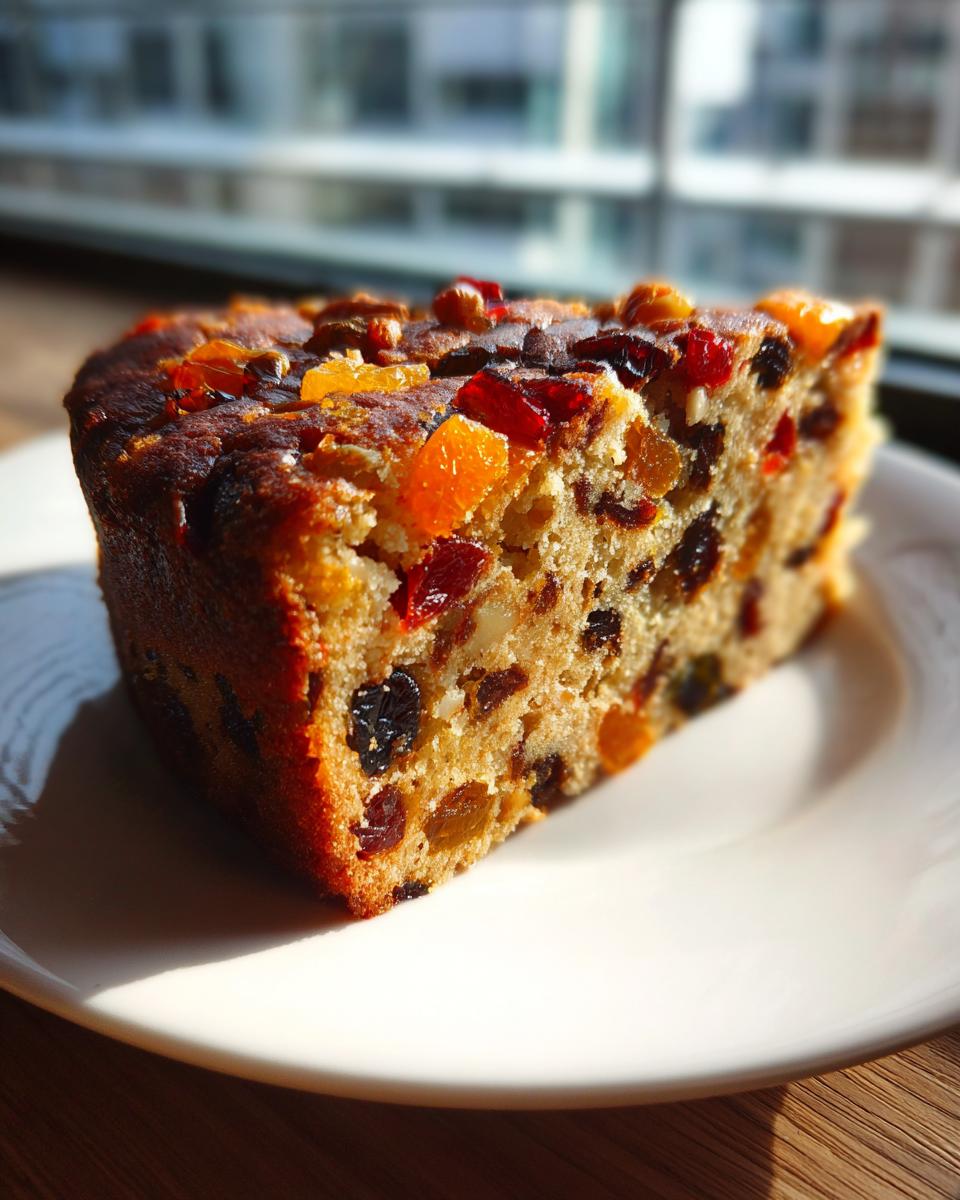
Okay, the batter is poured, and it looks gorgeous! Now we move into the method Grandpa always called ‘low and slow.’ Because this fruit cake recipe is so packed with heavy fruit and nuts, you can’t blast it with high heat like a regular sponge cake. We’re aiming for 300 degrees Fahrenheit. When I was younger, I ignored this rule once and tried to rush it at 350°F, and folks, it was a disaster! The edges were scorched while the very center was still, well, liquid batter. Lesson learned!
You absolutely must prepare your pan the right way to guarantee that beautiful release later. I’m talking about a heavy layer of grease, a light sifting of flour all over, and then lining the bottom with a circle of parchment paper. This triple protection ensures your Classic Holiday Cake comes out perfect and whole. If you’re looking for other comforting bakes that love a slow finish, you should look at my bread pudding recipe; it also thrives when baked gently!
Once it’s in that low oven, you just have to trust the process. It takes time—often an hour and forty-five minutes, sometimes closer to two hours depending on your oven quirks. Resist the urge to open the door constantly! After about an hour and a half, test it with a thin wooden skewer right in the center. When it comes out clean, or with just a few moist crumbs clinging to it (that’s the moisture we love!), you know it’s done. Let it cool in that hot pan on a wire rack for about 15 minutes before flipping it out. That initial rest lets the structure set up so it doesn’t crumble when you unmold it.
Aged Fruit Cake Secrets: Making This Fruit Cake Recipe Better Over Time
If you want to take this good, moist fruit cake recipe and turn it into an absolute showstopper that tastes like it’s been in the family for a hundred years, you need to know about aging it! This is how we get that deep, rich, boozy flavor that people associate with the very best Christmas baking. Honestly, if you can stand to wait a couple of weeks before cutting into it, the difference is night and day. This technique is perfect if you are looking to make a proper classic Christmas fruit cake.
The process is simple, but it requires patience, which, as we all know, is the hardest ingredient to measure! It all hinges on a good soak and lots of wrapping. Check out my recipe for a similarly luxurious bake, my Bacardi rum cake, to see what I mean about letting the booze do the heavy lifting!
First things first: make sure your cake is completely cool. If you wrap up a warm cake, you’re going to create steam, and steam means sogginess, which is the opposite of what we want for aging. Once cooled, wrap it tightly. I use two layers of cheesecloth—the loose weave lets the cake breathe a tiny bit while holding in the moisture.
Now for the liquid. If you used brandy in the soak like I suggested, re-dampen the cheesecloth lightly with a little more brandy. If you went the non-alcoholic route, use straight orange juice or even a strong black tea—just enough to make the cloth damp, not dripping wet. Wrap that soaked cloth tightly around the entire cake. Then, wrap the whole thing again in plastic wrap, tight as a drum, and finally wrap it one more time in aluminum foil. This layered seal traps the aroma and keeps contaminants out while allowing a very slow infusion of flavor.
Store the wrapped cake in a cool, dark pantry or even the refrigerator. If you used liquor, you might want to give it a very light sprinkle of fresh brandy every couple of weeks. If you didn’t use liquor, just check the cheesecloth for dampness. After about three weeks, this cake will have magically transformed into something incredibly rich and festive.
Ingredient Notes and Substitutions for Your Fruit Cake Recipe
When you’re trying to nail down that perfect fruit cake recipe, sometimes you have to make tweaks based on what you have on hand or what allergies you’re dealing with. That’s totally fine! As a baker who loves tradition, I always encourage people to stick close to the original, but I’m not going to let a missing ingredient stop your holiday baking plans.
If you are making this for folks who don’t drink, or if you just ran out of that final splash of brandy, don’t panic! I want you to feel confident, whether you’re whipping up this loaf or trying out my spiced sweet potato muffins.
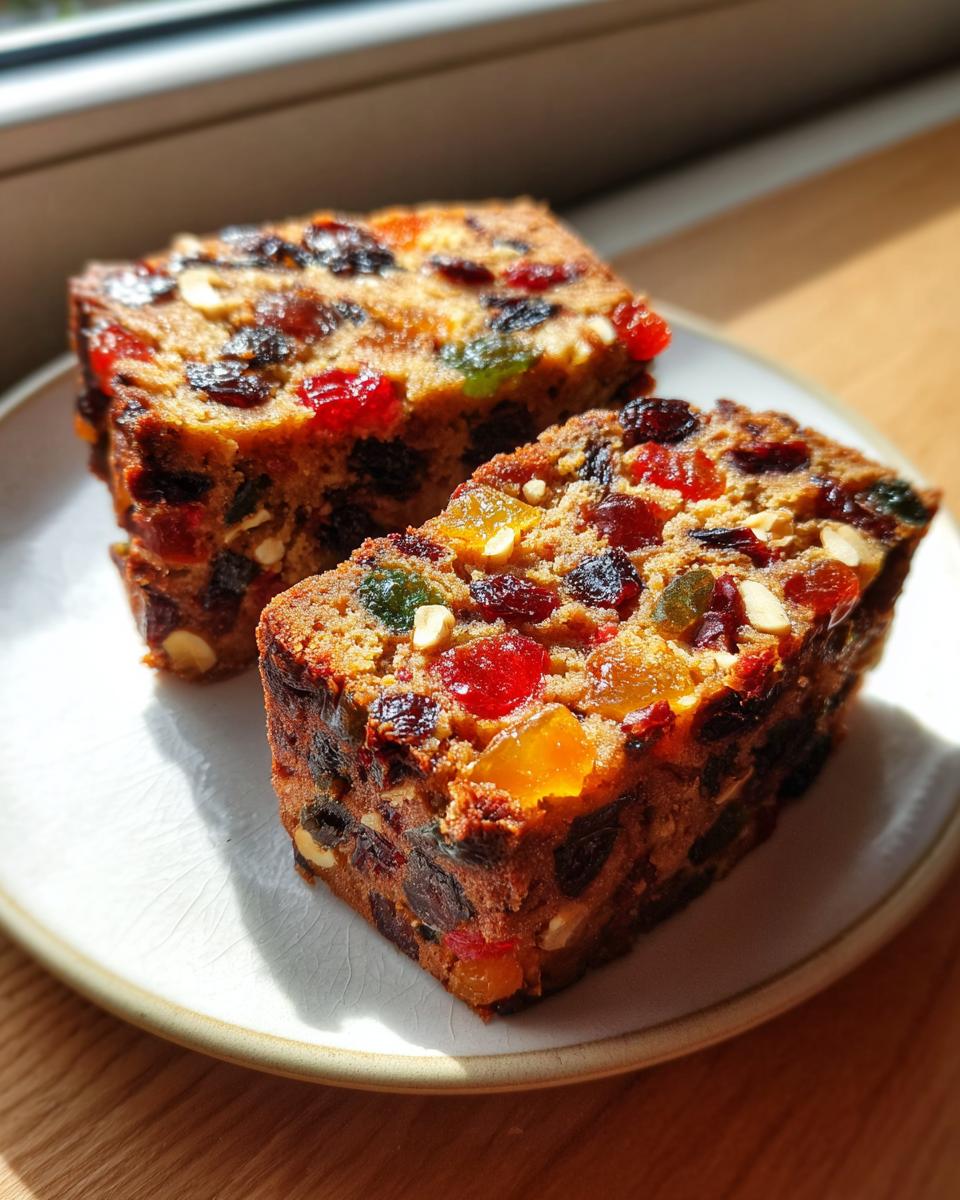
The most important area for substitutions is the fruit soaking liquid. If you leave out the alcohol, you have to add liquid back in, or the cake won’t be as moist as promised. Swap the brandy for 1/4 cup of strong brewed black tea—something robust like English Breakfast—or go heavy on the orange juice. The goal is hydration! Don’t let the fruit be dry when you fold it in.
As for the nuts? Pecans and walnuts are fantastic, but if someone in your house dislikes them or has an allergy, you can easily leave them out. You might lose a little bit of that buttery crunch toward the end, but the cake structure will hold up beautifully. Just make sure you stir in an extra 1/4 cup of mixed dried fruit to keep the batter volume where it needs to be. It’s still going to be a phenomenal fruit cake recipe!
Frequently Asked Questions About This Fruit Cake Recipe
I completely get it; baking a big cake like this, especially one tied so closely to the holidays, brings up a lot of questions! We want to make sure this is the easiest, most reliable fruit cake recipe you’ve ever tried. I’ve pulled together the things I always hear people asking when they are about to start the mix!
Can I make this fruit cake recipe without soaking the fruit?
You certainly *can*, but I really wouldn’t advise it if you are looking for a truly moist result that lives up to the promise of a No Dry Fruit Cake! The soaking—whether you use brandy or orange juice—is the key to getting plump fruit that doesn’t suck moisture out of your beautiful batter while baking. If you are really short on time, give that fruit at least four hours sitting in the liquid. Trust me, those few hours pay off big time!
What is the best way to store this Traditional Fruit Cake?
This is my favorite thing to talk about! If you only need to keep it for a few days leading up to the party, just wrap it tightly in plastic wrap and foil and keep it at cool room temperature, or even the fridge if your kitchen runs warm. But if you’re making it for real Traditional Fruit Cake aging, you want to use that cheesecloth wrapping method I detailed above! That slow maturation process turns it into something unforgettable. Honestly, this Classic Holiday Cake tastes far better after sitting sealed up for a week or two.
If you’re looking for some quick meals to get you through the rest of your holiday prep while this cake is resting, I have tons of helpful ideas on my quick and easy dinner recipes page!
Serving Suggestions for Your Homemade Holiday Baking
Once your fruit cake recipe has rested and truly developed that deep flavor we worked so hard for, you need to know how to present it! This cake is so rich on its own, but a little something extra on the side just makes the experience better. I love serving my Homemade Holiday Baking with a dollop of simple, unsweetened whipped cream—it cuts the richness perfectly. Or, if you’re feeling extra traditional, a tiny bit of brandy hard sauce is divine! If you’re not serving dessert, this cake is honestly perfect cut small alongside a warm cup of coffee or my famous hot cocoa mix. For more festive inspiration like this, check out how they serve their treats over at traditional holiday fruit cake!
Sharing Your Perfect Fruit Cake Recipe Results
Now that you’ve baked, hopefully aged, and finally sliced into what I guarantee is the best Never Fail Fruitcake you’ve ever tried, I just have to know how it went! Honestly, knowing that a recipe I love so much made it onto your holiday table fills my heart right up. Sharing food is how we share our lives, right?
Did you manage to resist cutting into it for a week? Did you use the brandy soak, or did you go with the orange juice alternative? Tell me everything! I want to hear about the fruit you chose and how long you baked it for. I learn so much from all of you, and seeing your results helps me make sure this fruit cake recipe stays top-notch for years to come.
Please leave a rating right below this post—five stars means you agree it’s the moistest fruit cake you’ve ever made! If you took a picture of that beautiful, rich loaf, snap me a photo and tag me, or feel free to send a note through my contact form. I absolutely cherish seeing my HearthBite family creating sweet memories at their own firesides!
PrintEasy, Moist, Traditional Fruit Cake Recipe for the Holidays

Follow this never-fail fruit cake recipe to create a moist, rich holiday dessert packed with dried fruit and warm spices. This classic recipe is simple to make and delivers deep, comforting flavor.
- Prep Time: 30 min
- Cook Time: 1 hr 45 min
- Total Time: 2 hr 15 min
- Yield: 10 servings 1x
- Category: Dessert
- Method: Baking
- Cuisine: American
- Diet: Vegetarian
Ingredients
- 1 cup (2 sticks) unsalted butter, softened
- 1 cup packed light brown sugar
- 4 large eggs, room temperature
- 1 teaspoon vanilla extract
- 1 teaspoon almond extract
- 2 cups all-purpose flour
- 1 teaspoon ground cinnamon
- 1/2 teaspoon ground nutmeg
- 1/4 teaspoon ground cloves
- 1/4 teaspoon salt
- 1/2 teaspoon baking soda
- 1/2 cup orange juice
- 1 pound mixed dried fruit (raisins, currants, candied cherries, citron)
- 1 cup chopped pecans or walnuts
- 1/4 cup brandy or dark rum (optional, for soaking fruit)
Instructions
- If using alcohol, place the mixed dried fruit in a bowl and pour the brandy or rum over it. Cover and let soak for at least 4 hours, or preferably overnight. Drain excess liquid before using.
- Preheat your oven to 300 degrees Fahrenheit (150 degrees Celsius). Grease and flour a 9-inch tube pan or a 10-inch round cake pan. Line the bottom with parchment paper.
- In a large bowl, cream together the softened butter and brown sugar until light and fluffy. This step helps create a tender crumb.
- Beat in the eggs one at a time, mixing well after each addition. Stir in the vanilla and almond extracts.
- In a separate medium bowl, whisk together the flour, cinnamon, nutmeg, cloves, salt, and baking soda.
- Gradually add the dry ingredients to the wet ingredients, mixing on low speed until just combined. Do not overmix.
- Gently fold in the soaked and drained dried fruit and the chopped nuts until they are evenly distributed throughout the batter.
- Spoon the batter into the prepared pan and smooth the top.
- Bake for 1 hour and 30 minutes to 1 hour and 45 minutes, or until a wooden skewer inserted into the center comes out clean. Baking time varies based on your pan size.
- Let the cake cool in the pan on a wire rack for 15 minutes. Then, carefully invert the cake onto the rack to cool completely.
- For an aged fruit cake, wrap the cooled cake tightly in cheesecloth soaked in a small amount of brandy or orange juice. Wrap again in foil and store in an airtight container for several weeks before serving.
Notes
- For a non-alcoholic version, soak the dried fruit in orange juice or strong brewed tea instead of liquor.
- To ensure a moist fruit cake, check the cake’s internal temperature; it should reach 200 degrees Fahrenheit (93 degrees Celsius) when done.
- If you want a glossy finish, brush the top of the warm cake with a simple glaze made from powdered sugar and a little lemon juice.
Nutrition
- Serving Size: 1 slice
- Calories: 450
- Sugar: 55g
- Sodium: 150mg
- Fat: 20g
- Saturated Fat: 10g
- Unsaturated Fat: 10g
- Trans Fat: 0g
- Carbohydrates: 65g
- Fiber: 3g
- Protein: 6g
- Cholesterol: 90mg