

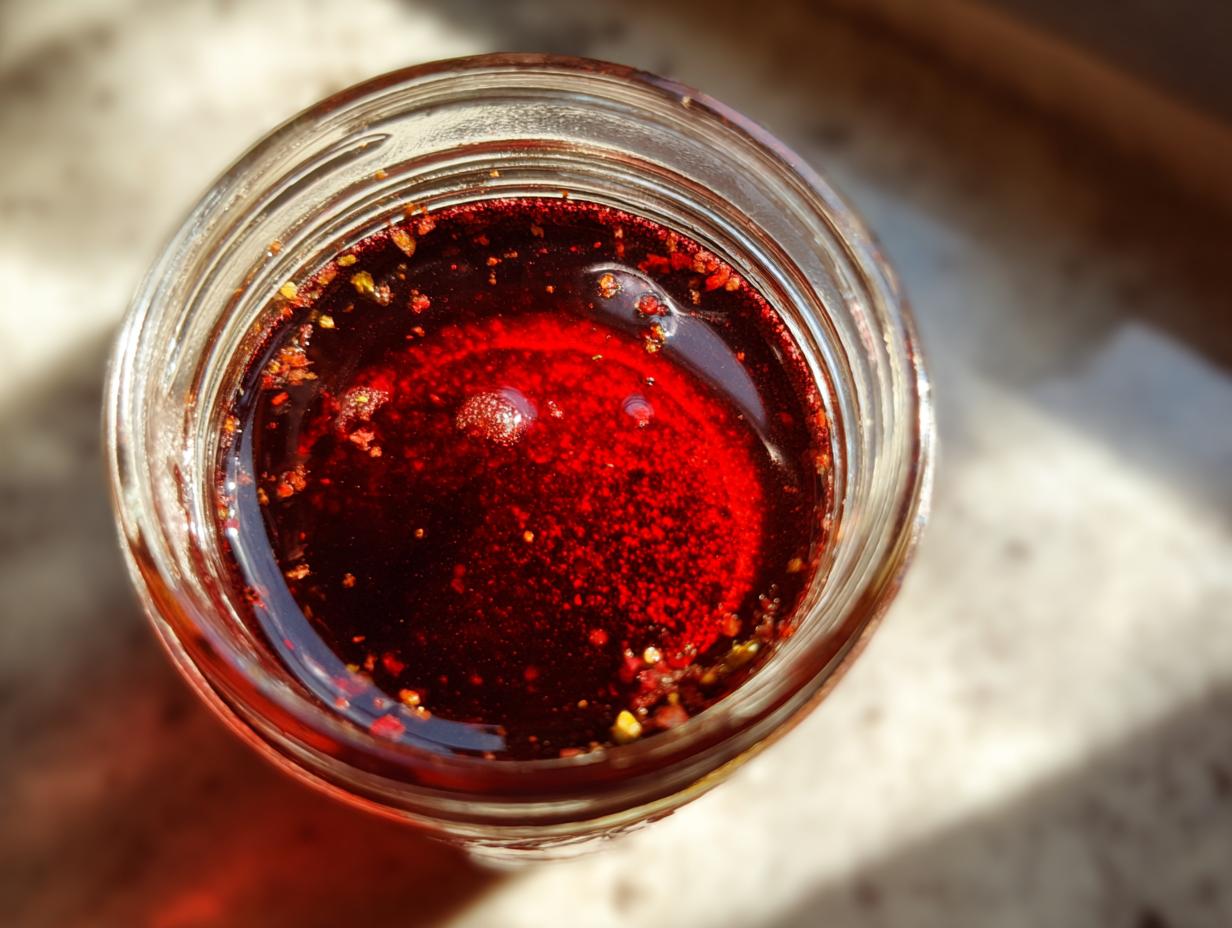
Are you tired of shaking that questionable, neon-colored bottle only to end up with a gloppy, preservative-laden mess on your salad? I totally get it. That’s why here at HearthBite, we believe that tossing greens should feel like an act of joy, not a compromise! Forget those sad, sugary store-bought versions; today, we are diving headfirst into making the absolute best homemade salad dressing from scratch. This is my promise to you: we’ll have intensely flavorful, healthy salad dressing ready in under five minutes. It’s simple, comforting food, exactly how I like to cook for my family every day.
- Why Homemade Salad Dressing Recipes Beat Store-Bought Every Time
- Essential Ingredients for Perfect Homemade Salad Dressing Recipes
- Mastering the Basic Vinaigrette Salad Dressing Recipe
- Transforming Your Salad Dressing: Variations and Upgrades
- Beyond Greens: Using Your Homemade Salad Dressing as a Marinade or Dip
- Tips for Success When Making Any Salad Dressing
- Storage and Shelf Life for Homemade Salad Dressing
- Frequently Asked Questions About Making Salad Dressing
- Serving Suggestions for Your Best Homemade Dressings
Why Homemade Salad Dressing Recipes Beat Store-Bought Every Time
Honestly, once I learned how incredibly simple it is to make my own healthy salad dressing, I felt like I’d been missing out! The biggest win is control. When you mix it yourself, you know exactly what’s going onto your plate—no weird stabilizers, no unnecessary sugar bombs, and zero preservatives trying to keep it on the shelf for three years. It just tastes brighter, you know? It truly is the best dressing substitute for store bought options because the fresh flavor difference is unbelievable.
Plus, let’s talk about your wallet. Making these recipes from scratch saves money when you look at the cost per ounce. Those little bottles add up fast!
The Quick 5-Minute Salad Dressing Advantage
Now, I know you’re busy, just like me. That’s why I promise you that almost every single one of these homemade salad dressing recipes is a quick salad dressing winner. We aren’t talking about spending an hour blending ingredients; if you use the jar-shaking method I show you later, you are looking at less than five minutes total prep time. You can whip up a vinaigrette faster than you can drive to the grocery store to grab that bottled version. Ready to go? Let’s talk about the foundational elements of great flavor next!
Essential Ingredients for Perfect Homemade Salad Dressing Recipes
If you want to confidently make any salad dressing from scratch, you first need to understand the core building blocks. This isn’t about following a rigid recipe; it’s about knowing which parts you can swap and which parts you should never skimp on. That’s how we build real flavor depth in our homemade salad dressing recipes, moving way beyond the basic stuff.
Choosing the Right Oil and Acid for Your Salad Dressing
The foundation of any great dressing is the ratio between fat (the oil) and acid (vinegar or citrus). For a classic vinaigrette recipe, I usually start with two parts good quality olive oil to one part acid. Don’t be afraid to mix it up! Extra virgin olive oil gives that beautiful fruity richness, but sometimes I use avocado oil if I need something really neutral so the herbs can sing louder. For the acid, red wine vinegar is my workhorse, but lemon juice or even apple cider vinegar can bring totally different vibes depending on what I’m tossing. Getting this balance right is half the battle!
Building Flavor: Herbs, Spices, and Emulsifiers in Salad Dressing
This is where we move from simple oil and vinegar to something truly memorable. You need something to help that oil and acid stay happily mixed together—that’s your emulsifier, and Dijon mustard is my favorite little helper here. Garlic, salt, pepper, and dried oregano are non-negotiables in my kitchen for a savory base. Now, here’s my personal tip from my mom: For dried herbs like oregano or basil, crush them really well between your fingers right before you toss them in. It wakes up the oils inside them, making your dressing taste far fresher than just pouring them straight from the jar.
Mastering the Basic Vinaigrette Salad Dressing Recipe
Okay, now that we know the players, let’s get to the main event! This is the foundational vinaigrette recipe that I use maybe three times a week. It’s the perfect template. Once you nail this olive oil and vinegar magic, you can spin it into almost any healthy salad dressing you want. I’m going to give you the exact measurements for about 3/4 of a cup, which is just the right amount to keep handy in the fridge. It seriously takes less time than it does to find the right lid for your plastic containers! If you can handle making easy homemade soft chewy sea salt caramels, you can definitely handle this!
Ingredients for Our Go-To Vinaigrette Salad Dressing
For this powerhouse, you need your liquids, your mustard guy, your garlic buddy, and the seasoning crew. Grab a small bowl or, even better, a clean mason jar—that’s my secret weapon for easy mixing! You’ll want:
1/2 cup of good quality extra virgin olive oil. Next, you need 1/4 cup of sharp red wine vinegar to give it that tang. Don’t forget 1 teaspoon of Dijon mustard, because that’s what keeps everything cozy together. We’re adding 1 minced clove of garlic—make sure it’s minced fine! Then toss in 1/2 teaspoon of dried oregano, 1/4 teaspoon of salt, and just a hint of black pepper, about 1/8 teaspoon.
Step-by-Step Instructions to Make Salad Dressing from Scratch
This is where the magic happens, and it involves zero cooking! If you’re using the jar method—and trust me, you should be—it’s so satisfying to watch the oil and vinegar finally decide they like each other. This is how you truly make salad dressing from scratch without making a huge mess.
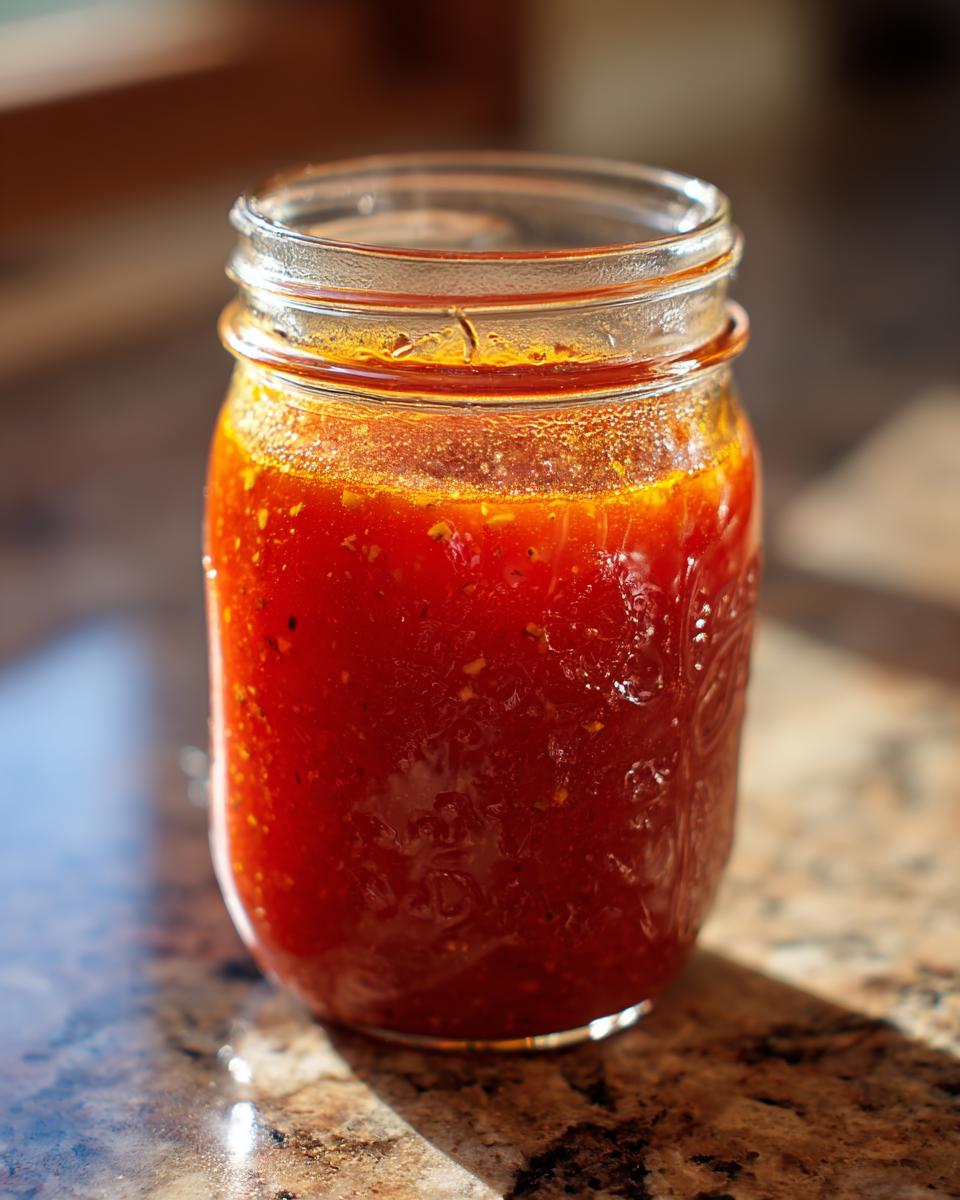
- First, just carefully measure and pour all those ingredients we just talked about—the oil, the vinegar, that Dijon, the garlic, oregano, salt, and pepper—right into your mason jar.
- Make absolutely certain that lid is screwed on tight! I learned that the hard way once, and let’s just say my countertop looked like a field of Italian herbs.
- Now, shake it like you mean it! You need to shake it *vigorously* for a solid 30 seconds. You are looking for it to emulsify, which just means it thickens up and looks cloudy instead of separated.
- When you think you’re done shaking, stop, taste it! Seriously, use a clean spoon and taste. Does it need more punch? Add another splash of vinegar. Too sharp? A tiny pinch of sugar can balance it out later, but for now, just check the salt.
- That’s it! You can use this quick salad dressing immediately over your freshest greens, or just save that jar right in the fridge for later. Simple, right?
Transforming Your Salad Dressing: Variations and Upgrades
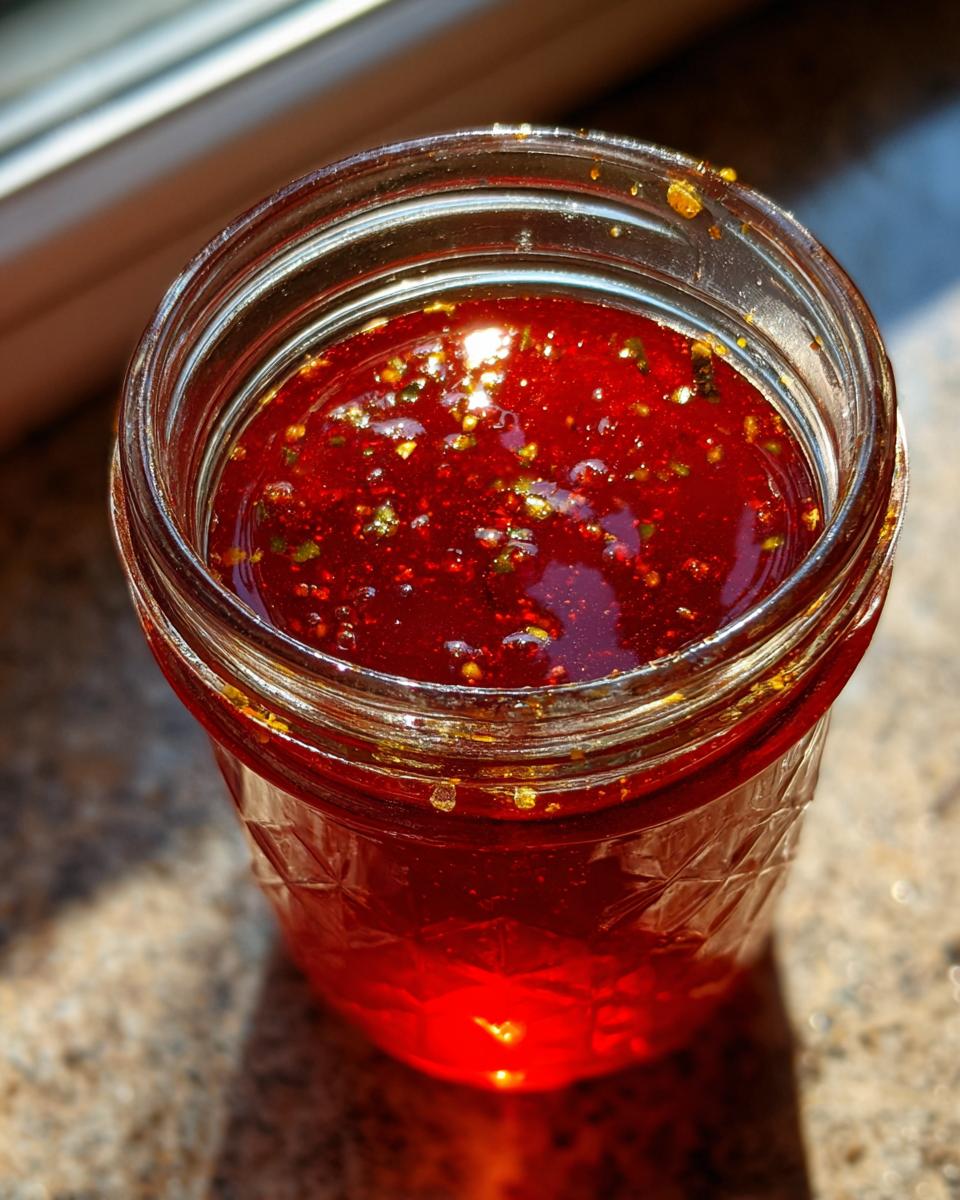
The basic vinaigrette we just mixed up is fantastic, but what if you’re craving something a little different? Maybe creamy, or maybe something with a hint of sweetness? That’s the beauty of learning to make your own salad dressing—you can customize it for any mood! Here’s how we take that simple oil and vinegar magic and turn it into the other classics people ask me for all the time. We stick close to that core recipe, but add just one or two extra things to change the whole game up. If you love switching up flavors, you might even enjoy trying out my homemade teriyaki sauce sometime!
Creating a Creamy Salad Dressing Texture
Sometimes you just need that comforting, thicker texture—you know, the kind that clings perfectly to iceberg lettuce or your favorite grilled chicken. If you want a creamy salad dressing version of our vinaigrette, it’s so easy; you just need to add an extra emulsifier. I like to stir in about two tablespoons of thick, plain Greek yogurt. If you don’t keep yogurt on hand, mayonnaise works wonders too! Just make sure it’s well combined when you shake that jar. Trust me, this smooth texture is addictive!
Making a Maple Mustard Dressing or an Italian Salad Dressing Recipe
If you’re looking for a little sweetness to balance out that sharp vinegar, you can easily pivot into a maple mustard dressing. Just add one tablespoon of pure maple syrup into the jar along with everything else. It gives this incredible depth that’s just lovely on autumn salads. On the flip side, if you need an italian salad dressing recipe that has more zing, lean into the herbs! I recommend increasing that dried oregano slightly, and adding a tiny teaspoon of sugar to soften the edges. That little bit of sweetness combined with extra herbs makes it taste just like the good stuff you get at restaurants.
Beyond Greens: Using Your Homemade Salad Dressing as a Marinade or Dip
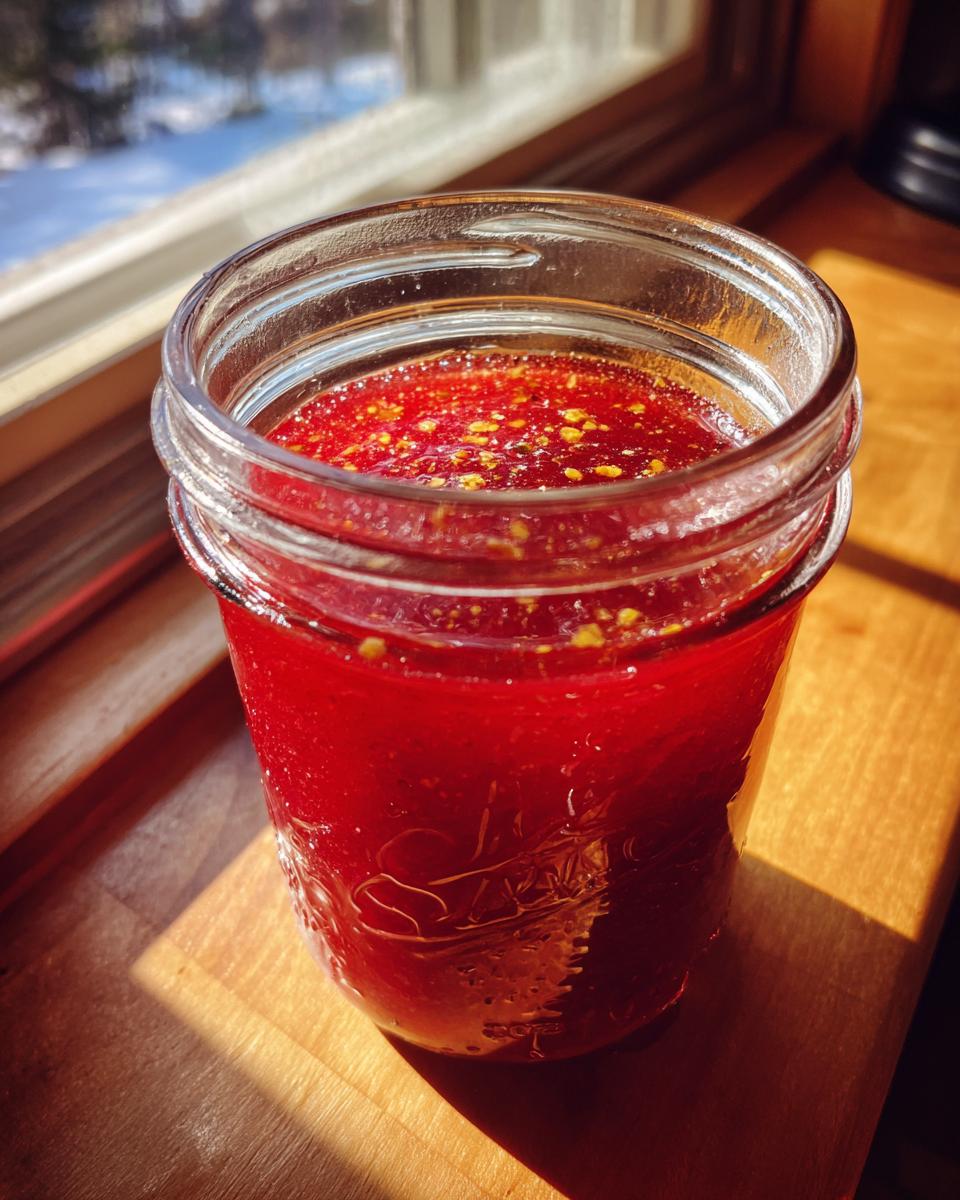
It seems like a waste to only use this fantastic, fresh dressing on lettuce, right? That’s one of the best parts of making dressing from scratch—it’s a total multi-tasker! When you use quality ingredients like good olive oil and sharp vinegar, you’ve accidentally created a perfect base for flavor infusion. Stop thinking of it only as a salad topper; this is where we talk about salad dressing marinade ideas that save weeknights.
The basic vinaigrette we just made is incredible on chicken breasts or pork tenderloins. Seriously, whisk up a batch and pour half over your chicken before you grill it or bake it. The acid helps tenderize the meat beautifully! Likewise, if you’re roasting up some broccoli or carrots, toss them in this dressing before they hit the pan. You can see how well they turn out when you check out my tips for garlic herb roasted veggies.
And hey, if you make a creamy batch? That’s a fantastic dip for sliced cucumbers or peppers. See? It’s not just salad dressing anymore; it’s meal prep gold!
Tips for Success When Making Any Salad Dressing
Even with the simplest recipes, sometimes things go a little sideways in the kitchen, right? Don’t panic if your dressing doesn’t look picture-perfect the second you stop shaking. That’s what happens when oil and vinegar decide they aren’t best friends yet! When I started making my own condiments, I had a few near-disasters, but learning these little tricks made all the difference. Getting that perfect emulsification and balance means your salad dressing goes from just “good” to “I need to make a double batch next time!”
Troubleshooting Common Salad Dressing Issues
The number one issue everyone runs into is separation. You shake it, it looks great for 30 seconds, and then BAM—two layers again. If this happens, don’t stress out! That’s totally normal for a dressing that doesn’t have a ton of artificial stabilizers. Just slap that lid back on tight and shake it again with real vigor. Think of it like a mini workout for your arm! You usually just need a few more solid seconds of shaking to bring it back together.
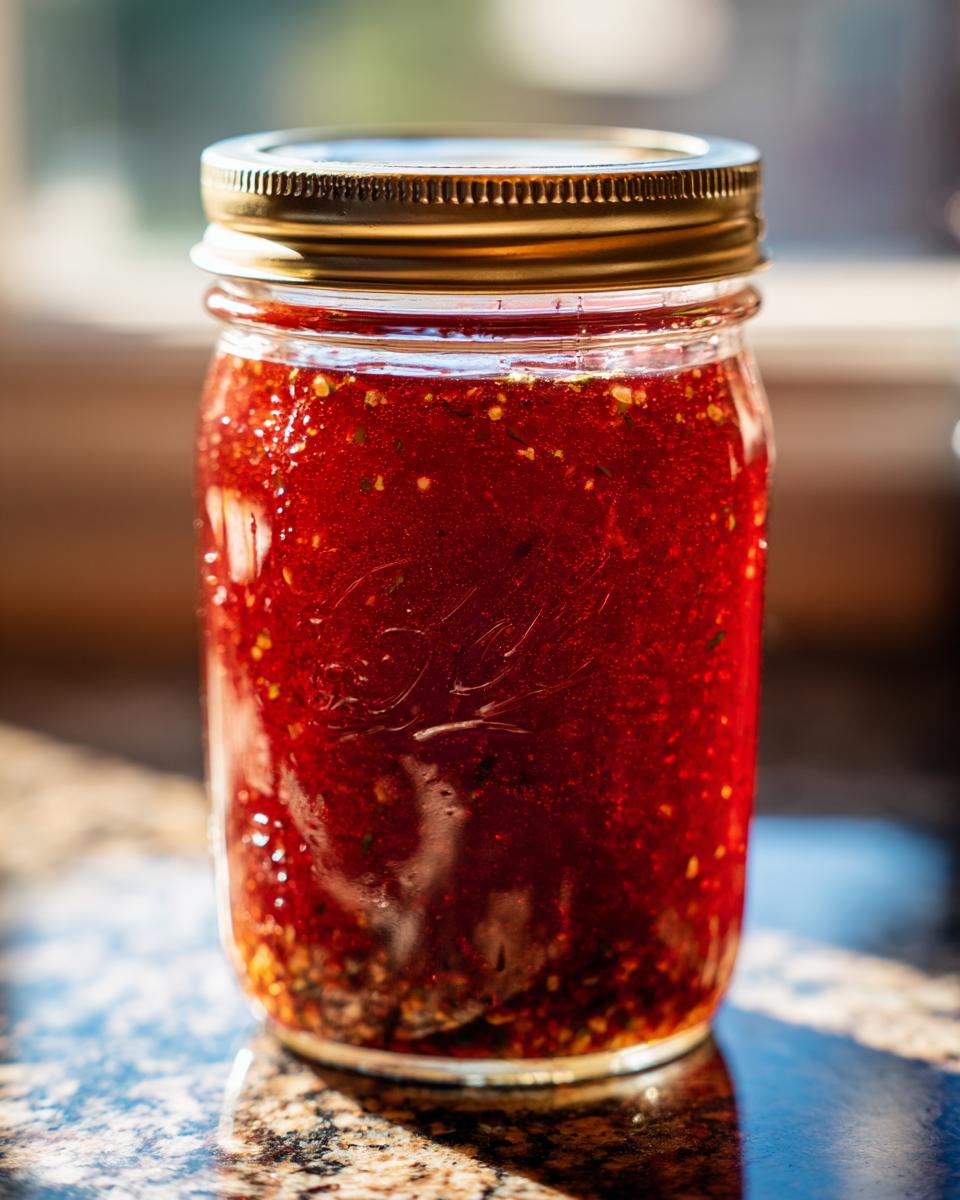
Flavor balance is the other tricky area. Vinegar or lemon juice can feel way too sharp sometimes, even if you followed the ratio perfectly. If your dressing tastes too one-note sharp, you have two choices. First, add a tiny pinch more salt; salt often helps marry sharp flavors. Second, and this is my go-to fix: add a tiny splash of sweetener, even if it’s just a pinch of sugar or a drop of honey. That little bit of sweetness rounds out the acidity beautifully. If it tastes flat, well, add a pinch more salt or a tiny dash of pepper. Tasting often, especially before serving your quick, easy dinner recipes, is the secret weapon for great flavor!
One more quick tip before we move on: Ingredient temperature matters! If your oil is straight out of a truly cold fridge, it can actually make the emulsion harder to achieve initially. Try getting your oil and vinegar out for just 10 minutes before you mix. It doesn’t need to be warm, just not ice cold. Happy shaking!
Storage and Shelf Life for Homemade Salad Dressing
Okay, you made a perfect jar of salad dressing—you do not want to waste a drop! The best way to keep it fresh is always in the fridge. Pop that mason jar right in there. Since we aren’t using all those chemical stabilizers they load into the store stuff, keep in mind that the oil is going to get super firm, and yes, it will totally separate. That’s totally normal behavior for homemade goodies, so don’t freak out!
When you’re ready to use it again, just pull it out about 15 minutes before you plan to dress your salad so it can warm up slightly. Then, give it a good, hard shake—just like you did the first time! If you stored it well, this basic vinaigrette should taste fantastic for at least a week, maybe even longer. If you follow the same rules I use for my easy homemade protein bars—keeping things sealed and cool—it lasts wonderfully.
Frequently Asked Questions About Making Salad Dressing
I always get so many questions when people try my recipes for the first time! It’s wonderful that you’re all getting into making your own salad dressing; it really changes how you look at greens. Here are some of the questions I hear most often when folks are ready to move past the bottled stuff and make homemade salad dressing recipes!
Can I make a low calorie salad dressing using this base?
Oh, absolutely! If you are looking for a low calorie salad dressing, the main culprit is usually all that oil, right? Oil is healthy fat, but for a lighter version, you can definitely adjust the ratio. For every two tablespoons of oil you pull out, try swapping in one tablespoon of cold water or even unsalted chicken broth. It might not emulsify quite as perfectly at first, but just shake it really hard! It cuts the fat content significantly while still keeping that sharp, vinegary flavor that makes a vinaigrette so good.
What are some easy vinaigrette variations beyond the basic recipe?
This is my favorite thing to chat about! Once you have the base—oil, vinegar, Dijon, salt, pepper—you have total freedom. You can create endless vinaigrette variations. For example, to make a bright Lemon Poppy Seed Dressing, just add the zest of one lemon and a teaspoon of poppy seeds to the jar. Shake it up, and you have something totally different!
If you want a bit more zest, try whisking in any finely grated citrus zest you have lying around, or for a really herby touch, mince up some fresh parsley or chives. The best part about these easy salad dressing swaps is that they happen in the same five minutes! If you are looking for other quick ideas, make sure to check out some of my favorite easy breakfast recipes for quick mornings too!
Serving Suggestions for Your Best Homemade Dressings
You’ve done it! You’ve made the best batch of homemade salad dressing ever, and now you need to put it to good use. My basic vinaigrette is totally versatile. Toss it with crunchy romaine and shaved Parmesan for a classic Caesar-style side that tastes so much fresher.
But don’t stop there! This is amazing when you toss it with cooled pasta for a quick summer pasta salad—that’s where the best pasta salad dressing comes from. It’s also fantastic if you want to drizzle a little bit over roasted sweet potatoes or grilled chicken before serving them up. It brings life to everything, just check out some of my favorite comfort food recipes for more inspiring pairing ideas!
PrintThe Best Homemade Salad Dressing Recipes: Quick, Healthy Vinaigrettes and Creamy Classics
Stop buying bottled dressing. Learn how to make the best salad dressing from scratch, including quick 5-minute vinaigrettes, creamy ranch, and zesty Italian recipes that taste better than store-bought versions.
- Prep Time: 5 min
- Cook Time: 0 min
- Total Time: 5 min
- Yield: About 3/4 cup 1x
- Category: Condiment
- Method: Shaking/Mixing
- Cuisine: American
- Diet: Vegetarian
Ingredients
- 1/2 cup extra virgin olive oil
- 1/4 cup red wine vinegar
- 1 teaspoon Dijon mustard
- 1 clove garlic, minced
- 1/2 teaspoon dried oregano
- 1/4 teaspoon salt
- 1/8 teaspoon black pepper
Instructions
- Gather all your ingredients for the basic vinaigrette.
- Place the olive oil, red wine vinegar, Dijon mustard, minced garlic, oregano, salt, and pepper into a mason jar with a tight-fitting lid.
- Secure the lid firmly on the jar.
- Shake the jar vigorously for 30 seconds until the dressing emulsifies and thickens slightly.
- Taste the dressing and adjust salt or vinegar as needed for your preference.
- Use immediately over your favorite greens, or store in the refrigerator for later use.
Notes
- For a creamy dressing variation, add 2 tablespoons of plain Greek yogurt or mayonnaise to the mixture before shaking.
- This basic vinaigrette works well as a marinade for chicken or vegetables.
- To make a Maple Mustard Dressing, add 1 tablespoon of pure maple syrup to this base recipe.
- If you prefer a sweeter Italian Salad Dressing Recipe, increase the oregano and add 1 teaspoon of sugar or honey.
Nutrition
- Serving Size: 2 tbsp
- Calories: 130
- Sugar: 0.2g
- Sodium: 115mg
- Fat: 14g
- Saturated Fat: 2g
- Unsaturated Fat: 12g
- Trans Fat: 0g
- Carbohydrates: 0.5g
- Fiber: 0.1g
- Protein: 0.2g
- Cholesterol: 0mg