

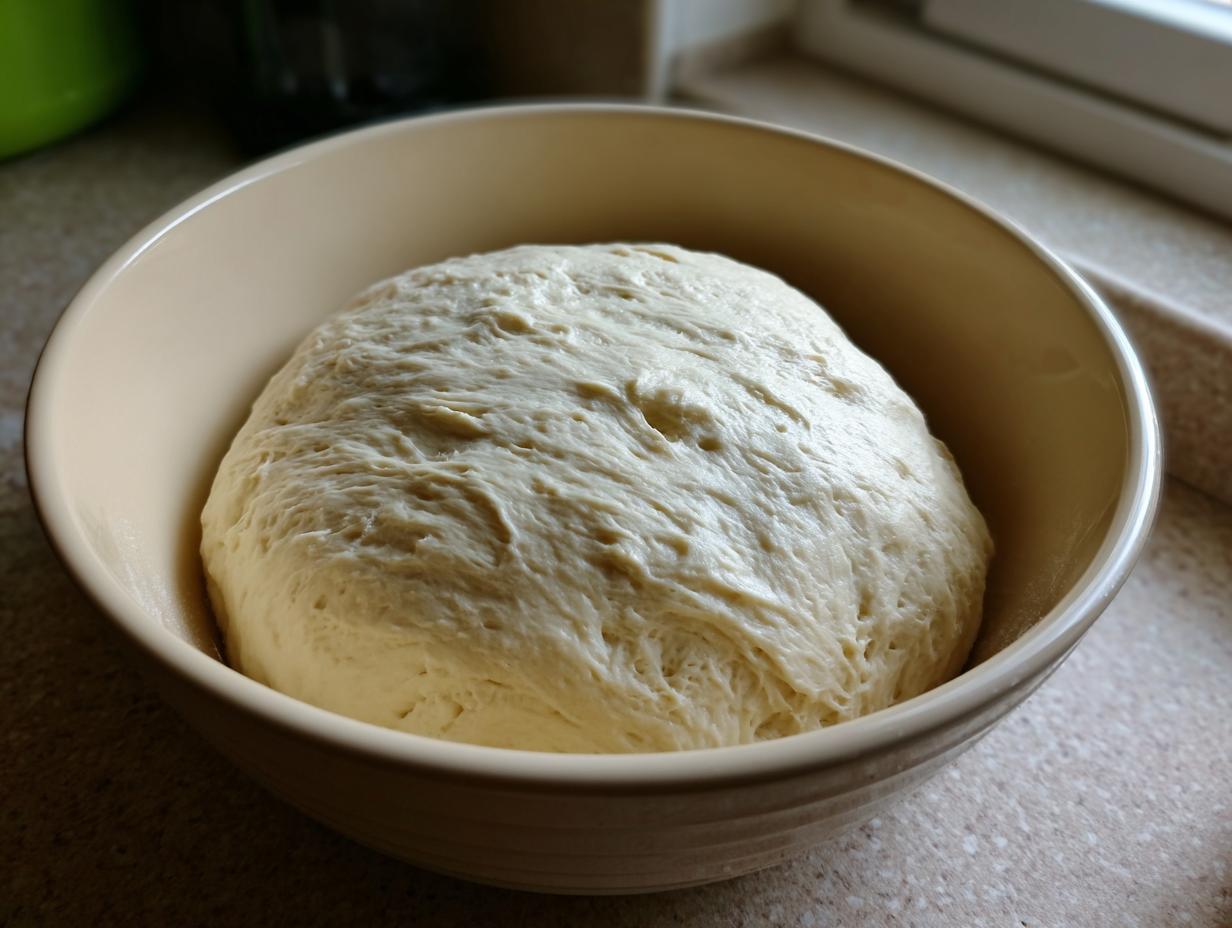
There is something truly unbeatable about the moment you pull a fresh, piping hot pizza out of your own oven. Forget the delivery apps for one night! I’m Sarah, and I truly believe that the key to an amazing night in centers around a fantastic base. That’s why I’m sharing my absolute favorite, no-fail pizza dough recipe. If you’ve ever felt intimidated, don’t worry—this is the easy homemade pizza dough that guarantees a soft, beautifully chewy crust. For me, the best memories are made with simple, reliable recipes, and this one always delivers comfort right to the table.
- Why This is the Best Pizza Dough Recipe for Home Cooks
- Simple Six Ingredient Pizza Dough Recipe Ingredients
- How to Make Pizza Dough From Scratch: Step-by-Step Instructions
- Tips for the Best Homemade Pizza Dough Results
- Storing and Reheating Your Homemade Pizza Dough
- Frequently Asked Questions About This Pizza Dough Recipe
- Estimated Nutritional Data for This Pizza Dough Recipe
- Share Your Soft Pizza Dough From Scratch Creations
Why This is the Best Pizza Dough Recipe for Home Cooks
I know, I know, everyone claims they have the best pizza dough recipe, but mine is special because it just *works* without fuss. You don’t need fancy equipment or secret Italian flours—just good old pantry staples! This recipe is truly built for the everyday cook who wants restaurant flavor without the hours of waiting time.
- It’s fast enough for a weeknight, yielding a crust ready in under two hours.
- It’s incredibly forgiving, which is why it’s my go-to recommendation for anyone just starting to make pizza dough at home.
- It produces that fantastic, rustic feel you chase when you want authentic homemade pizza dough.
When you’re done baking, make sure you check out my recipe for quick no-cook sauce to top this beauty!
Achieving That Perfect Chewy Pizza Crust Texture
That softness and chew shouldn’t be exclusive to your favorite delivery place, right? For that perfect chewy pizza crust, it really comes down to the combination of a reasonable rise time and the right amount of olive oil.
The initial rise (about an hour and a half) is enough time for the yeast to develop deep flavor without turning into an all-day commitment. We aren’t doing a 48-hour cold ferment artisan style here; we are balancing flavor and speed perfectly. The oil helps keep the structure pliable and soft, even when you get those beautiful, crispy edges on the bottom.
Simple Six Ingredient Pizza Dough Recipe Ingredients
This is the beauty of this recipe, folks: it’s so elemental! You probably have everything sitting in your pantry right now, which means you can start this tonight instead of running to the store tomorrow. I keep this down to just six core components because I believe the flavor should come from the technique, not from a mile-long ingredient list.
We’re using basic all-purpose flour here, but as we talk about later, you can always switch that up if you’re feeling particularly adventurous. This batch is perfectly sized for two good-sized, homemade pizzas, so plan accordingly!
Here is exactly what you’ll need:
- 1 1/2 cups warm water (and listen closely: this needs to be between 105°F to 115°F—too hot and you kill the yeast, too cool and it sleeps! I use my little instant-read thermometer for this.)
- 2 1/4 teaspoons active dry yeast
- 1 teaspoon granulated sugar (This is food for the yeast, which means happier dough!)
- 3 3/4 cups all-purpose flour, plus more for dusting later on
- 2 tablespoons olive oil
- 2 teaspoons salt (Don’t skip this, even though it feels like a lot; it is essential for flavor!)
If you measure everything carefully now, the mixing part is just a breeze! Remember, this recipe yields enough dough for two medium pizzas.
How to Make Pizza Dough From Scratch: Step-by-Step Instructions
Okay, time to get our hands a little dusty! Making your own pizza dough from scratch sounds fancy, but honestly, it’s just following a few simple rhythm changes. We start with the yeast because, in my book, that’s where all the magic for a soft pizza dough from scratch begins. If you nail this first step, the rest of your pizza dough recipe is going to sail smoothly.
Activating the Yeast: The First Test for Your Pizza Dough Recipe
Grab a large bowl—or your stand mixer bowl if you’re using that—and pour in your warm water. Remember that temperature range we talked about? 105°F to 115°F is key. Sprinkle the sugar right over the top, then gently sprinkle the active dry yeast over that. Don’t stir it vigorously!
I always stare at this bowl for about five minutes, and I promise you’ll see results. If the top gets foamy or bubbly, your yeast is alive and ready to party! If it just sits there like sad soup, your water was probably too cold or too hot, and we’ll need to start that part over. We need happy yeast for a good lift!
Kneading and the First Rise for Soft Pizza Dough From Scratch
Next, add in your flour, olive oil, and salt. Use a spoon or the dough hook to mix until everything is just combined into what looks like a messy, shaggy blob. Don’t over-mix it in the bowl!
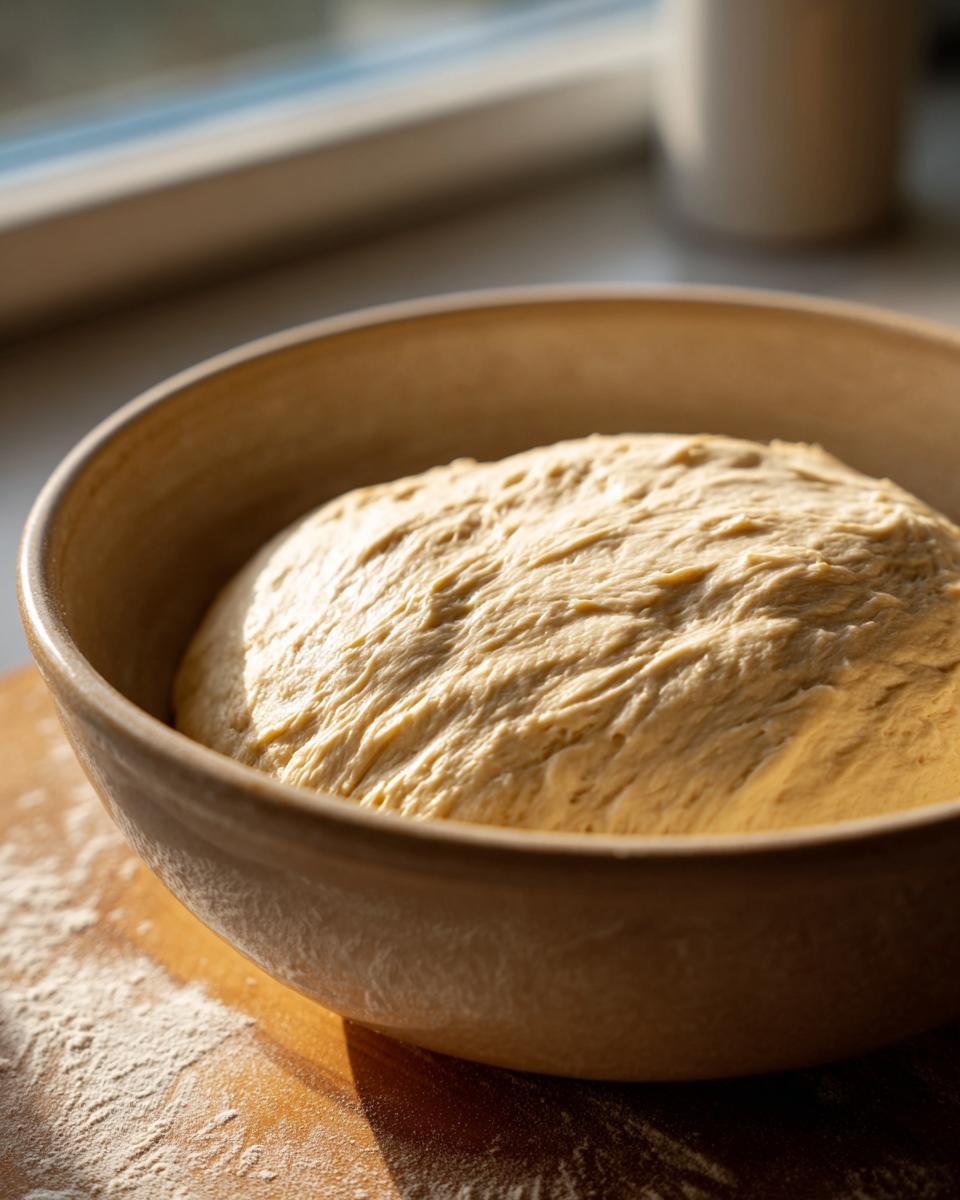
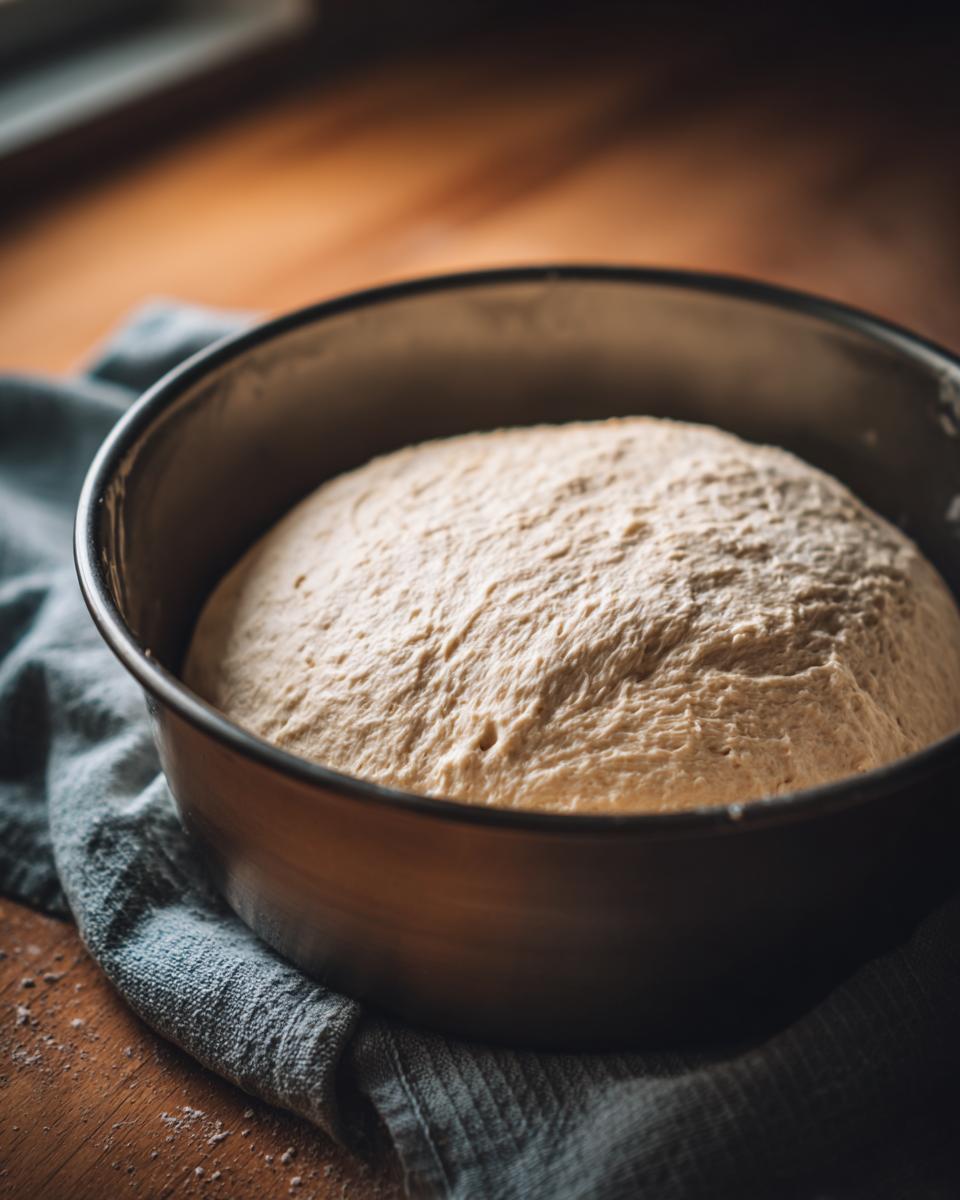
Turn that shaggy mess out onto a lightly floured counter. This is where you get physical! Knead it for about five to seven minutes until it stops sticking too much and starts feeling smooth and stretchy—that means the gluten is developing nicely for your chewy pizza crust. Pop that smooth ball into an oiled bowl, cover it up really well, and stick it somewhere warm for an hour to an hour and a half. That rise is crucial for flavor, so don’t rush it!
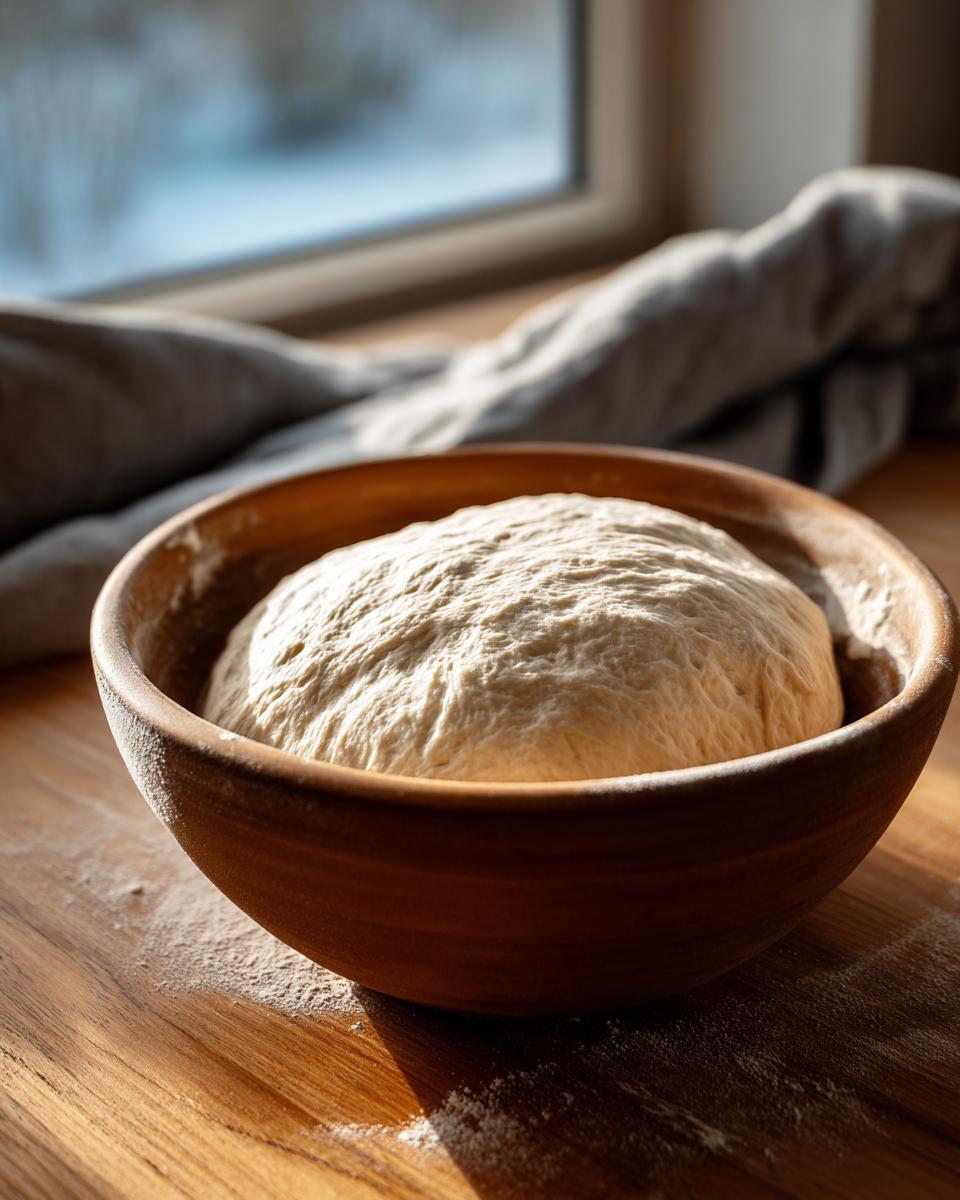
If you are looking for some fun ways to use up that gorgeous dough besides standard pizza, check out these soft and chewy sea salt caramels—just kidding! No, but seriously, once your dough rises, you can punch it down gently and then get creative. Try looking toward chefs like Gordon Ramsay for inspiration on shaping, though I promise my method is much less yelling involved! Find one of his famous dough methods here, if you’re curious about other styles.
Tips for the Best Homemade Pizza Dough Results
Now that you have a beautiful, elastic dough ball, I want to share a few shortcuts and upgrades that make baking your homemade pizza dough even better. Remember, this recipe is built to be flexible! I’ve learned a few tricks over the years for those nights when waiting an hour and a half just isn’t going to work—though I always recommend the rise if you can swing it.
If you love rustic baking, you might also adore making my cast iron skillet cornbread; it has that same, satisfying, from-scratch feeling!
Quick Pizza Dough Recipe Option: Skipping the Rise
Life happens fast, right? If you’re making this pizza dough recipe for beginners and you are truly in a rush, you can skip the long, warm rise entirely! Once you finish kneading for those five or seven minutes until it’s smooth, you can skip steps 4 and 5, punch it down immediately, and start shaping your base.
Just know this: skipping the rise means you are sacrificing some of that beautiful, complex flavor. The texture will be slightly denser—less fluffy, honestly—but it’s still miles better than anything you buy in a tube from the grocery store. It’s a great option if you need a quick pizza dough recipe!
Flour Choices for Artisan Pizza Dough
If your goal is to get closest to that crackly, airy, true artisan pizza dough look, the easiest swap you can make is switching out the flour. We use all-purpose flour because it’s accessible. But if you want that extra-strong structure that holds up to heavy toppings and gets that blistered look, use bread flour instead.
Bread flour just has more protein, which means more gluten development when you are kneading. That higher gluten network traps gases better during the bake, creating that chewy, high-crust look we all admire. You can find some great inspiration for fast doughs by checking out some popular quick recipes online, like the ones promoted over here, but my basic six-ingredient base is the perfect starting point!
Storing and Reheating Your Homemade Pizza Dough
So you made a perfect batch of dough—maybe you even doubled the recipe because you knew you’d want leftovers! That’s smart cooking. The great news about this simple base is that it freezes like a dream, making future pizza nights effortless. It’s just as easy as freezing my easy strawberry freezer jam; you just need the right wrapping!
If you aren’t using the dough within a day or two, you definitely want to freeze it. After the initial rise and you’ve punched it down (Step 6), divide it into the two balls you plan to use. Wrap each dough portion very tightly in plastic wrap first—I mean really airtight—and then wrap that whole package again in foil or place it inside a heavy-duty freezer bag.
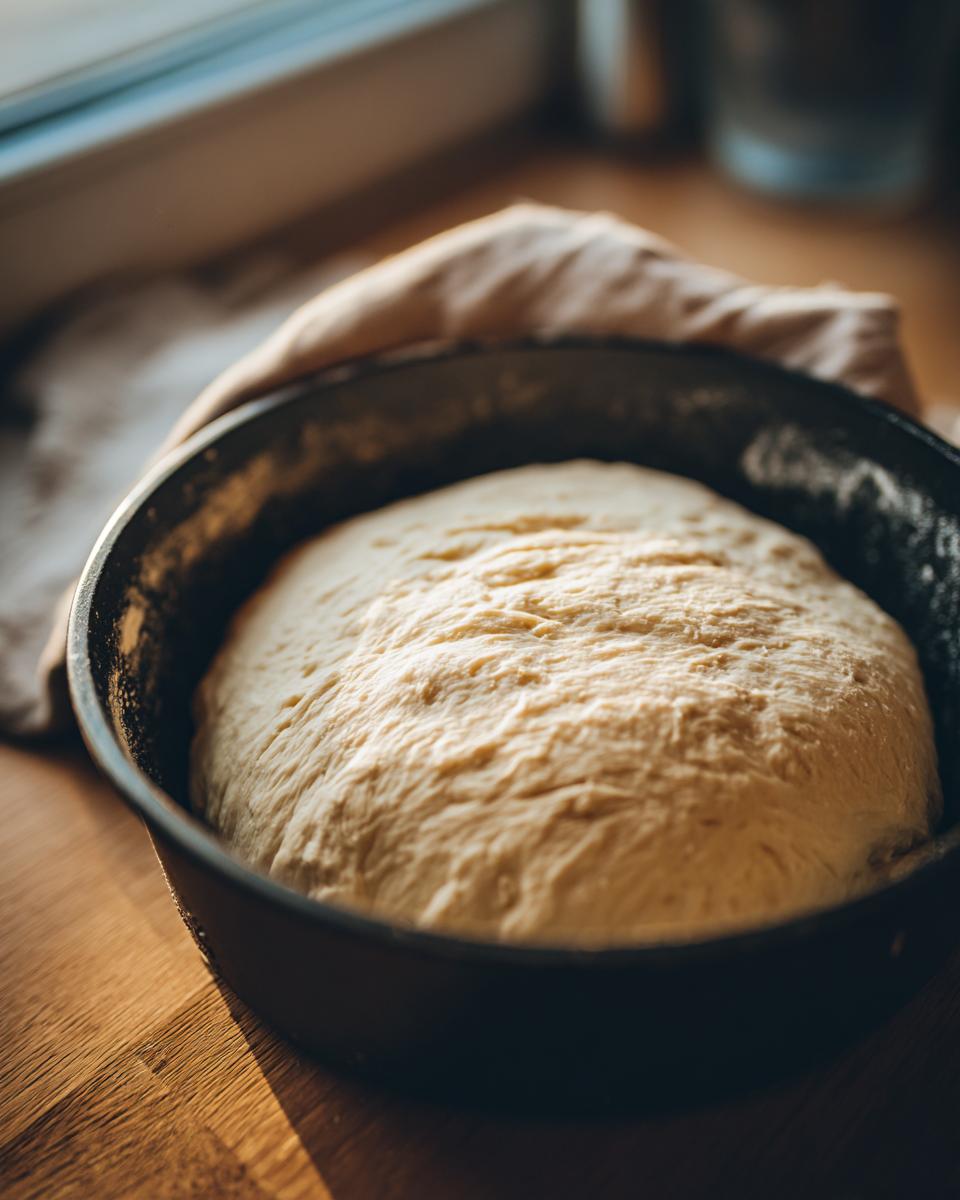
This double wrapping keeps freezer burn miles away from your beautiful yeast structure!
When you’re ready to use that frozen homemade pizza dough later, the thawing process is simple but requires a little patience, which I know is hard when you’re hungry for pizza! Take the dough out of the freezer the night before you plan to bake and let it sit in its wrapped package in the refrigerator overnight. This slow thaw maintains the best texture.
The next day, pull the wrapped dough onto the counter about 60 to 90 minutes before you want to start stretching it. It needs time to come up to room temperature so it will relax and become pliable for shaping. If you try to roll it out stone-cold, it will fight you every step of the way, trust me! For more tips on handling dough that has been resting, take a peek at what other bakers suggest over here.
Frequently Asked Questions About This Pizza Dough Recipe
I always get a ton of questions rolling in after people try this base for the first time, which is wonderful! It just proves how many of you are serious about ditching takeout. Here are some of the most common things I hear about making this pizza dough recipe at home.
Can I use instant yeast instead of active dry yeast?
You absolutely can! Don’t worry if your pantry only stocks instant yeast. You can use instant yeast by skipping Step 1 completely—no need for the foaming test. Just mix the instant yeast right in with your flour, oil, and salt, and proceed straight to mixing everything together. It’s a little shortcut for those who like things extra fast. Since you’re skipping that initial activation time, the rise might be slightly quicker too!
What is the best flour for a chewy pizza crust?
As I mentioned in my tips, for the absolute best, most satisfying chewy pizza crust and that lovely artisan look, I highly recommend bread flour. Bread flour has higher protein, which builds stronger gluten when you knead, leading to a chewier interior structure. If you only have all-purpose, that’s still perfectly fine—it just results in a slightly softer, fluffier crust, which is honestly delicious too!
How thick should I roll out the dough?
This is totally about personal preference when you make pizza dough at home! For two medium pizzas using this batch, I recommend rolling or stretching each half to about a 12-inch circle. I usually aim for about a quarter-inch thickness in the center, letting the outer edges stay a little thicker—that’s where you get those beautiful, puffy corniciones.
How long can the dough sit in the fridge?
If you want to test out the flavor development a tiny bit more, you can keep the dough in the fridge for up to three days. After the dough has risen and you’ve punched it down, place it, covered tightly, in the refrigerator. Just remember what I said before: always let it sit out on the counter for at least 90 minutes before trying to shape it again, or it will fight you!
If you have run into any major snags or just want to share how much you loved it, please reach out to me through my contact page!
Estimated Nutritional Data for This Pizza Dough Recipe
One of the first things I learned growing up was that while we cook with love, we should also be smart about what we’re eating! When you’re making homemade pizza dough, keeping track of the basics helps, even if we are mostly focused on flavor here at HearthBite.
Now, these numbers are estimations based on the recipe yielding two pizzas. Remember, this is only for the dough itself before you add any sauce, cheese, or those glorious pepperoni slices!
We’re basing the serving size on half of the dough batch (which makes one 12-inch pizza base):
- Serving Size: 1/2 dough ball
- Calories: 550
- Fat: 4g
- Saturated Fat: 1g
- Trans Fat: 0g
- Cholesterol: 0mg
- Sodium: 980mg (This can vary depending on the salt you use!)
- Carbohydrates: 115g
- Fiber: 5g
- Sugar: 2g
- Protein: 18g
See? Even our simple, fail-proof pizza dough recipe gives you a decent amount of protein and fiber for a base! Enjoy knowing that you are controlling exactly what goes into your family’s dinner instead of wondering what questionable preservatives might be in that store-bought crust.
Share Your Soft Pizza Dough From Scratch Creations
I poured my heart into making this the most reliable, easy pizza crust recipe you’ll ever try, and now it’s your turn! Telling people about the success you had the first time you made soft pizza dough from scratch is, in my opinion, the best part of cooking.
When you make this recipe—whether you gave it that full rise or needed that speedy ‘no rise’ version—I truly want to hear about it. Did you get that perfect chew? Did the kids help you stretch it out? Those are the moments that HearthBite is all about!
Please take a moment to leave a rating below. Stars tell me you found this pizza dough recipe helpful, and your comments give me great insight into what you all need next in the kitchen. I love seeing your creations, so if you take pictures, tag us on social media!
Baking isn’t just about the food; it’s about bringing people together around the warmth of the kitchen, just like in my own home growing up. Getting back to basics and creating something wonderful from simple ingredients is profoundly satisfying. I hope this dough helps you make some truly cherished memories with your family tonight!
If you’re curious about the philosophy behind bringing these simple, good-food recipes together, you can always read more about our journey here at our About page.
PrintThe Best Easy Homemade Pizza Dough Recipe: Soft, Chewy Crust Ready Today
Skip delivery and make restaurant-quality pizza at home. This simple, no-fail recipe uses six basic ingredients to create a soft, chewy Italian-style pizza crust that is ready for baking in about two hours, making it perfect for weeknight meals.
- Prep Time: 15 min
- Cook Time: 15 min
- Total Time: 1 hour 45 min
- Yield: 2 medium pizzas 1x
- Category: Dinner
- Method: No-Bake/Oven
- Cuisine: Italian
- Diet: Vegetarian
Ingredients
- 1 1/2 cups warm water (105°F to 115°F)
- 2 1/4 teaspoons active dry yeast
- 1 teaspoon granulated sugar
- 3 3/4 cups all-purpose flour, plus more for dusting
- 2 tablespoons olive oil
- 2 teaspoons salt
Instructions
- Combine the warm water, yeast, and sugar in a large bowl. Let this mixture sit for 5 to 10 minutes until the yeast becomes foamy. This confirms the yeast is active.
- Add the flour, olive oil, and salt to the yeast mixture. Mix with a wooden spoon or stand mixer until a shaggy dough forms.
- Turn the dough out onto a lightly floured surface. Knead the dough for 5 to 7 minutes until it becomes smooth and elastic. If using a stand mixer, use the dough hook on medium-low speed for 5 minutes.
- Lightly grease a large bowl with olive oil. Place the dough ball in the bowl and turn it once to coat. Cover the bowl tightly with plastic wrap or a clean kitchen towel.
- Let the dough rise in a warm place for 1 to 1.5 hours, or until it has doubled in size. This step develops the flavor and texture for your chewy pizza crust.
- Gently punch down the risen dough. Divide it into two equal pieces for two medium pizzas or use the entire batch for one large pizza.
- Shape the dough into your desired pizza base on a lightly floured surface or pizza peel. Top with your favorite sauce and toppings.
- Bake the pizza according to your oven temperature and desired crispness, usually around 450°F (232°C) for 10 to 15 minutes.
Notes
- For a quicker dough, you can use this recipe as a ‘no rise pizza dough’ by skipping step 4 and proceeding directly to shaping after kneading. The texture will be slightly denser but still good for a fast meal.
- If you want an artisan pizza dough texture, use bread flour instead of all-purpose flour.
- This recipe makes enough dough for two 12-inch pizzas.
Nutrition
- Serving Size: 1/2 dough ball
- Calories: 550
- Sugar: 2
- Sodium: 980
- Fat: 4
- Saturated Fat: 1
- Unsaturated Fat: 3
- Trans Fat: 0
- Carbohydrates: 115
- Fiber: 5
- Protein: 18
- Cholesterol: 0