

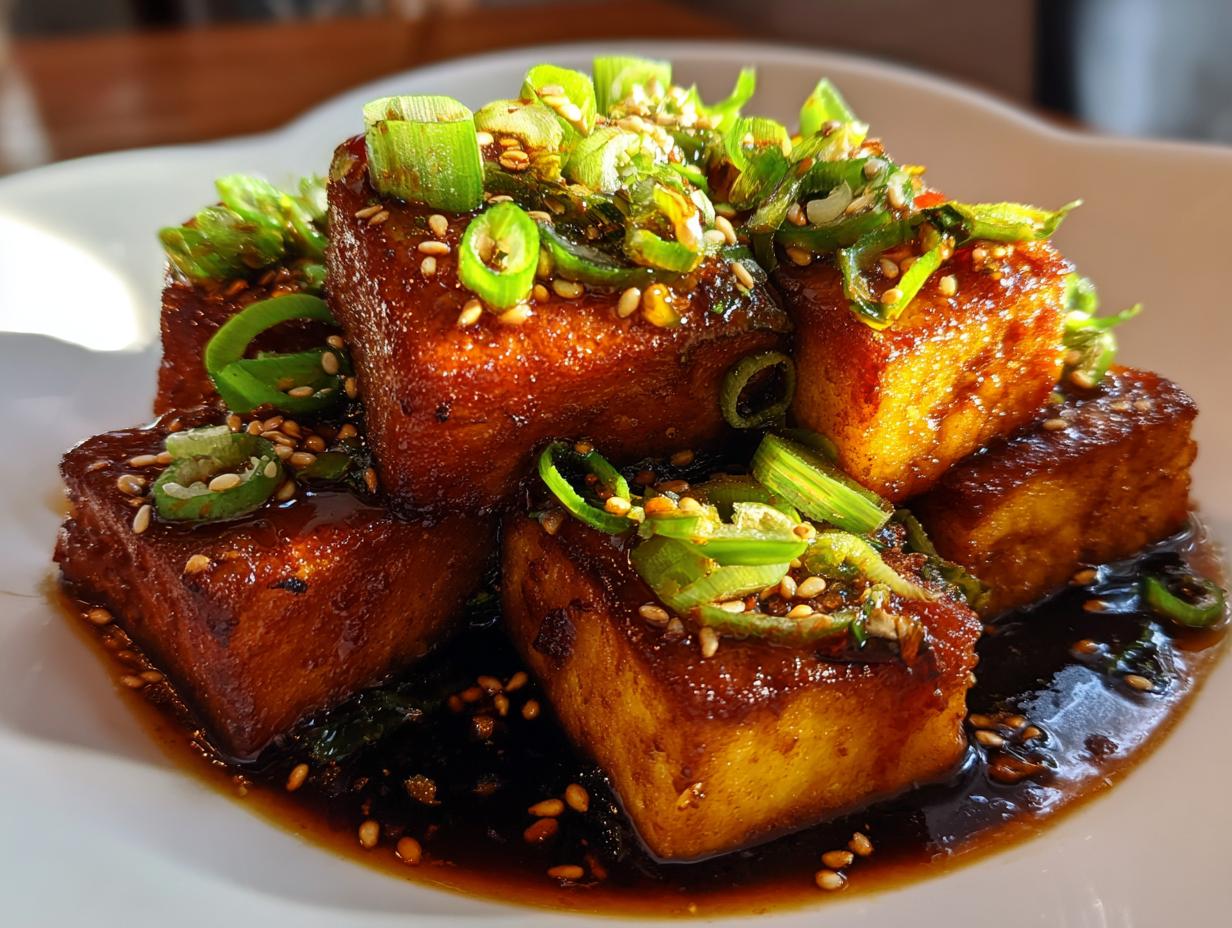
If your dinner table feels like it needs a little something extra but you don’t have hours to spend cooking, I completely get it! Korean food is brilliant for those moments because the side dishes—the famous banchan—are often the stars of the show and come together so quickly. That’s why I’m sharing my very favorite, most reliable recipe for Korean braised tofu, known classically as Dubu Jorim. This isn’t some fussy restaurant version; this is an authentic, easy Korean tofu recipe that tastes like it simmered all day but only takes about 20 minutes of actual cooking time. When I developed this version here at HearthBite, my goal, like everything Sarah Miller shares over on our About Page, was to give you a recipe that works perfectly every single time so you can focus on enjoying the meal with your family.
- Why This Korean Braised Tofu Recipe Works So Well
- Gathering Your Ingredients for Korean Braised Tofu
- Step-by-Step Instructions for Authentic Korean Braised Tofu
- Tips for the Best Dubu Jorim Sauce Consistency
- Variations for This Easy Korean Tofu Recipe
- Serving Suggestions for Your Korean Braised Tofu
- Storage and Reheating Instructions for Korean Tofu Side Dish
- Frequently Asked Questions About How to Make Korean Dubu
- Share Your Experience Making This Flavorful Tofu Recipe
Why This Korean Braised Tofu Recipe Works So Well
I know you have a million of these recipes saved, so why trust mine? When I tested this savory tofu side dish, I focused on getting that perfect bite every time. It’s reliable, folks!
- The sauce hits that perfect balance—not too sweet, just the right savory depth.
- It’s practically guaranteed to be ready in under 30 minutes, perfect for any quick weeknight recipe list.
- The texture combination of crispy edges and soft interior is just unbeatable.
Achieving Perfect Texture with Firm Tofu Braising Technique
You absolutely cannot skip pressing your tofu for this dish. Seriously, don’t even think about it! That extra moisture hiding inside will steam the tofu instead of helping you achieve that beautiful sear. This crucial first step in the firm tofu braising technique ensures the tofu browns up nicely and soaks up every bit of that flavorful sauce without turning mushy during the simmer.
Gathering Your Ingredients for Korean Braised Tofu
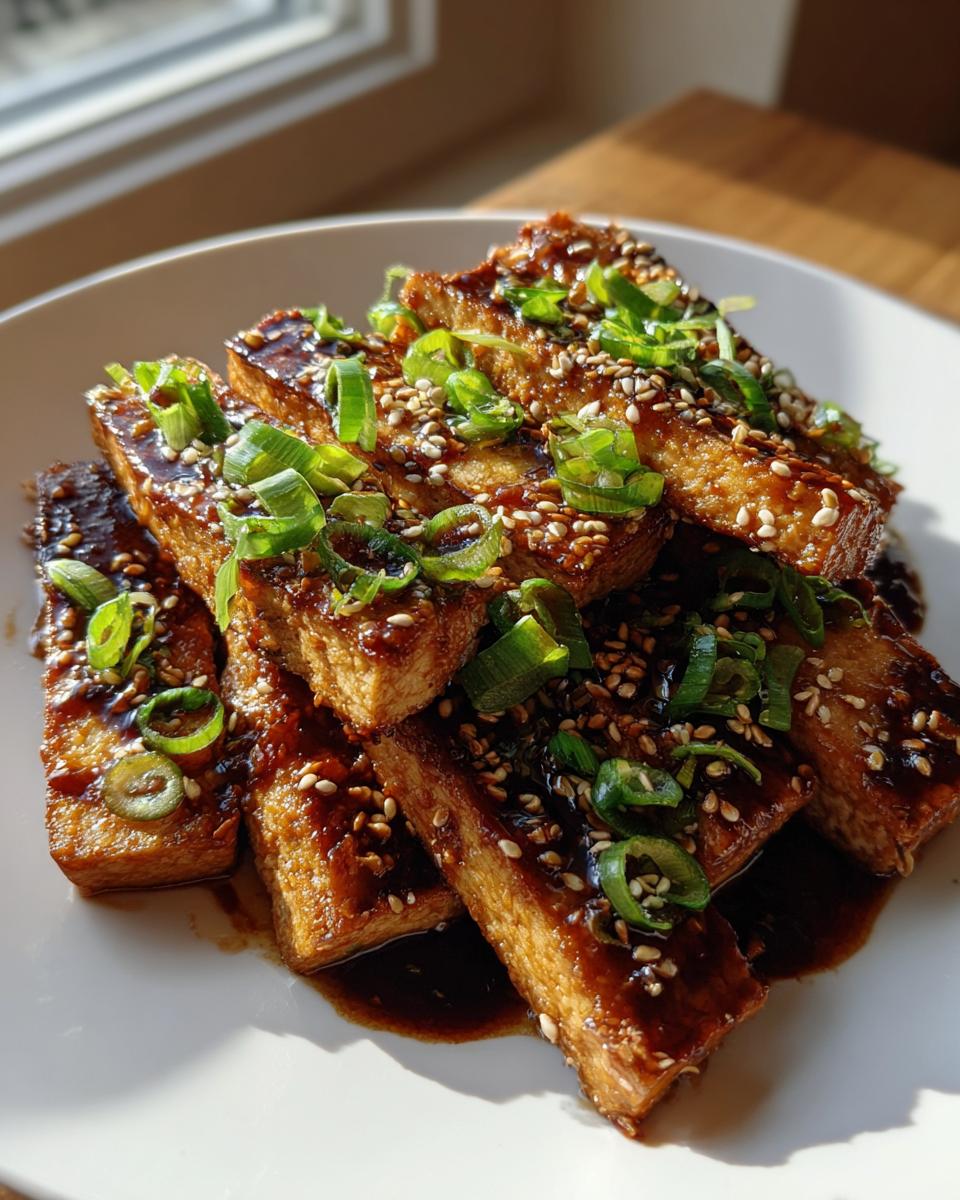
Okay, let’s get organized! Having everything ready before you start is half the battle when cooking flavorful dishes like this. I’ve laid out exactly what you need below for this fantastic healthy lunch recipe. Since precision matters for the sauce, please measure these out carefully. Don’t try to eyeball that brown sugar if you want the perfect traditional flavor profile!
Here is your list. Remember, the tofu is the star, but the sauce is what carries it!
- 1 block (14-16 oz) extra-firm tofu, pressed for at least 20 minutes and then cut into 1/2-inch thick slices.
- 2 tablespoons neutral cooking oil (like canola or avocado oil).
- 1/2 cup water or vegetable broth—this gives the sauce body while it simmers.
- 2 tablespoons soy sauce (the first addition).
- 1 tablespoon gochugaru (Korean chili flakes)—this is where your heat comes from!
- 1 tablespoon soy sauce (the second flavor boost, added at the end).
- 1 tablespoon rice vinegar—a little hidden brightness!
- 1 tablespoon brown sugar or corn syrup—it needs that touch of sweetness to balance the salt.
- 1 teaspoon minced garlic—fresh is always better here.
- 1 teaspoon sesame oil—this is added early for depth, not just a garnish flavor.
- 1/2 teaspoon grated fresh ginger—use your microplane if you have one!
- 1 green onion, thinly sliced (just for sprinkling on top!).
- 1 teaspoon toasted sesame seeds (also for topping).
Korean Pantry Staples for the Best Dubu Jorim Sauce
To make this truly authentic Korean braised tofu and not just a salty dish, you need a few key items. The gochugaru is non-negotiable for that vibrant red color and smoky heat. Don’t confuse it with cayenne! Also, make sure you’re using toasted sesame oil—it’s intensely flavored and used sparingly, which is why we only add a teaspoon to the sauce base. These small additions elevate this savory tofu side dish significantly.
Step-by-Step Instructions for Authentic Korean Braised Tofu
Okay, now that we have all our components gathered, let’s get this dish on the stove! I’ve broken down the cooking process into manageable chunks, and trust me, the whole thing moves fast. This is such a great easy Korean tofu recipe because you aren’t waiting around for anything to proof or rise. We are moving straight to flavor town!
Preparing the Tofu: Pressing and Pan-Frying
First things first: squeeze out that water! Remember, that wet block of tofu won’t crisp up properly. Once it’s pressed and cut into those nice 1/2-inch slices, heat your oil in a good non-stick skillet over medium heat. Place the slices in a single layer—don’t overcrowd the pan! We want golden brown, slightly crisp edges, not pale steamed tofu. Fry them for about 3 to 4 minutes per side until they look exactly how you want them, then gently set that beautiful, firm tofu aside.
Making the Savory Tofu Side Dish Braising Liquid
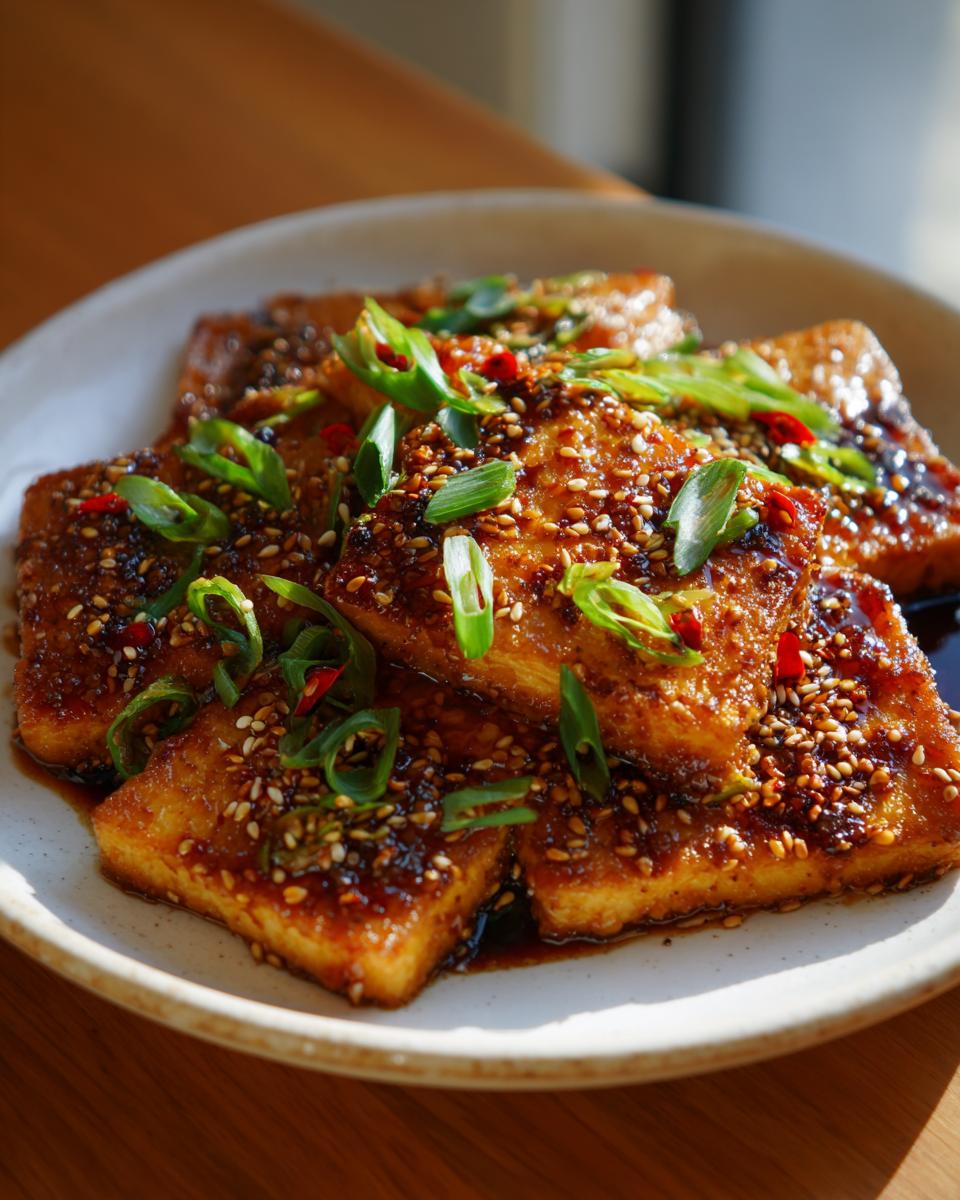
While the tofu is resting, make some magic happen in that same skillet. Take a small bowl and whisk together your water or broth, the first measure of soy sauce, gochugaru, rice vinegar, sugar, garlic, sesame oil, and ginger. Whisk it well so there are no clumps of chili flake hiding anywhere. This ensures every piece of tofu gets coated evenly in our savory tofu side dish sauce.
Braising the Korean Braised Tofu Until Reduced
Bring that sauce mixture to a simmer right there in the pan. Gently nestle the fried tofu back into the skillet. Let it bubble away for about 5 to 7 minutes. The goal here is reduction—you want that liquid to thicken slightly and cling to the tofu. Don’t rush it! When you’re almost done, drizzle that remaining tablespoon of soy sauce over the top. That final splash really deepens the overall flavor of our Korean braised tofu before you garnish it!
Tips for the Best Dubu Jorim Sauce Consistency
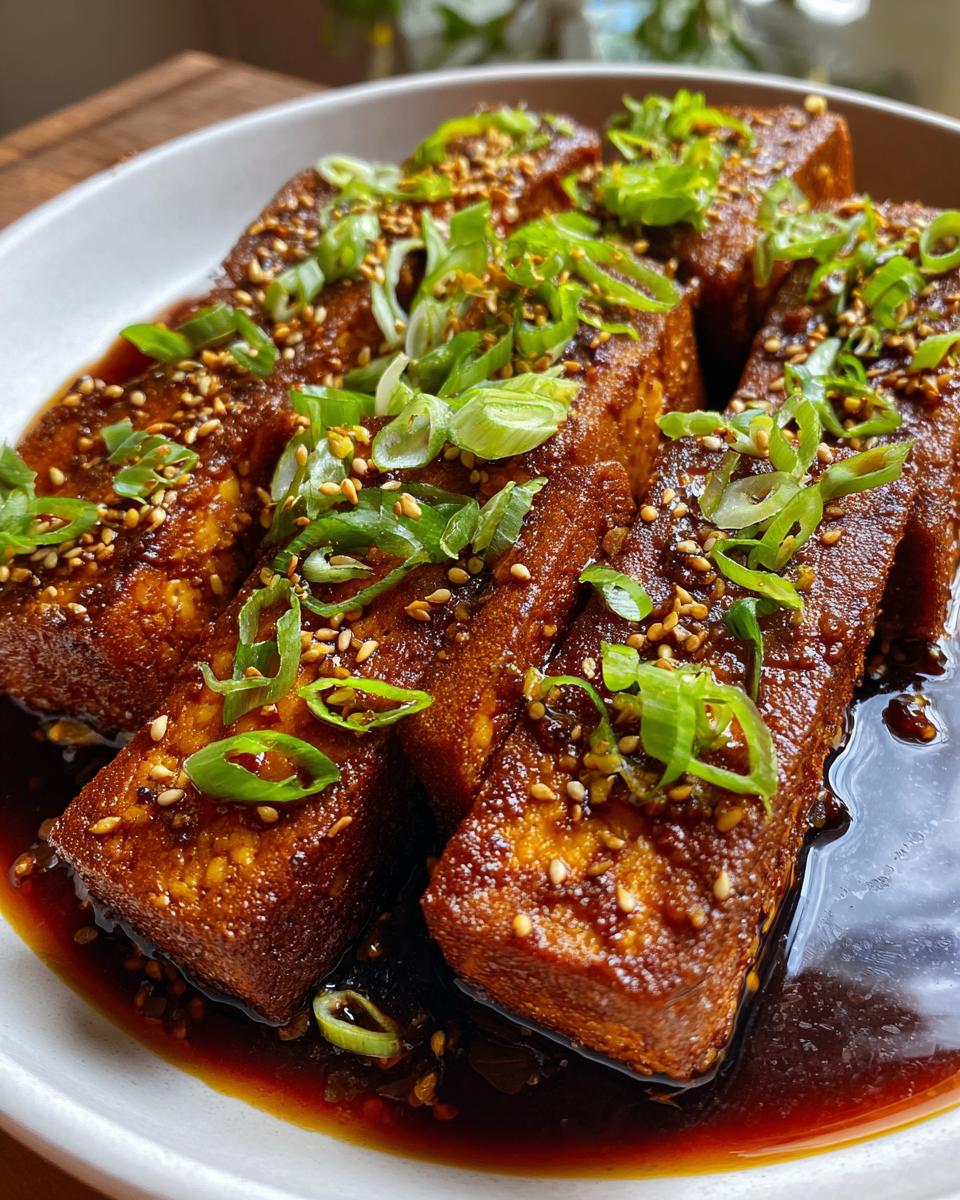
Listen, getting that perfect sauce consistency for this Korean braised tofu is what separates a good version from a truly knockout banchan. If you simmered for the full 5 to 7 minutes and the sauce still feels a little thin, don’t panic and don’t just crank up the heat! That will likely just burn the bottom layer of tofu.
My trick, which I learned from studying classic savory sauces like homemade teriyaki sauce, is the cornstarch slurry. Just before you think you’re done simmering, take one teaspoon of cornstarch and mix it really well with one tablespoon of cold water—make sure it’s completely dissolved! Pour that into your simmering sauce while stirring constantly. It thickens up in seconds. This guarantees you get that glossy, clinging coat that makes the best Dubu Jorim sauce. If you prefer to avoid cornstarch, just keep simmering for a couple of extra minutes watching closely, but the slurry is certainly the most reliable short-cut I’ve found!
Variations for This Easy Korean Tofu Recipe
I love that this is such a fantastic base recipe because you can truly tweak it to your family’s likes! Since this is naturally vegetarian, making it completely vegan just depends on what you used for broth—if you used water or vegetable broth, you’re golden! If you want to make this easy Korean tofu recipe slightly different next time, the spice level is the easiest thing to control. We’ve made this for friends who absolutely hate spice, trust me, it still tastes amazing! For those who love my sweeter recipes, like the creamy vegan pumpkin pie, you might want to add an extra half teaspoon of brown sugar here!
Making Spicy Braised Tofu Banchan Adjustments
If you’re planning on making this your star spicy braised tofu banchan, you can absolutely double the gochugaru! But if you are serving this to little ones or people with sensitive stomachs, cut that chili flake down to just half a tablespoon. For a non-spicy version, just omit it entirely and maybe add a little splash of rice wine vinegar instead for brightness. Oh, and if you happen to have fresh red chilies on hand, thinly slicing one or two right into the sauce while it simmers adds a fresh, sharp heat that I just adore!
Serving Suggestions for Your Korean Braised Tofu
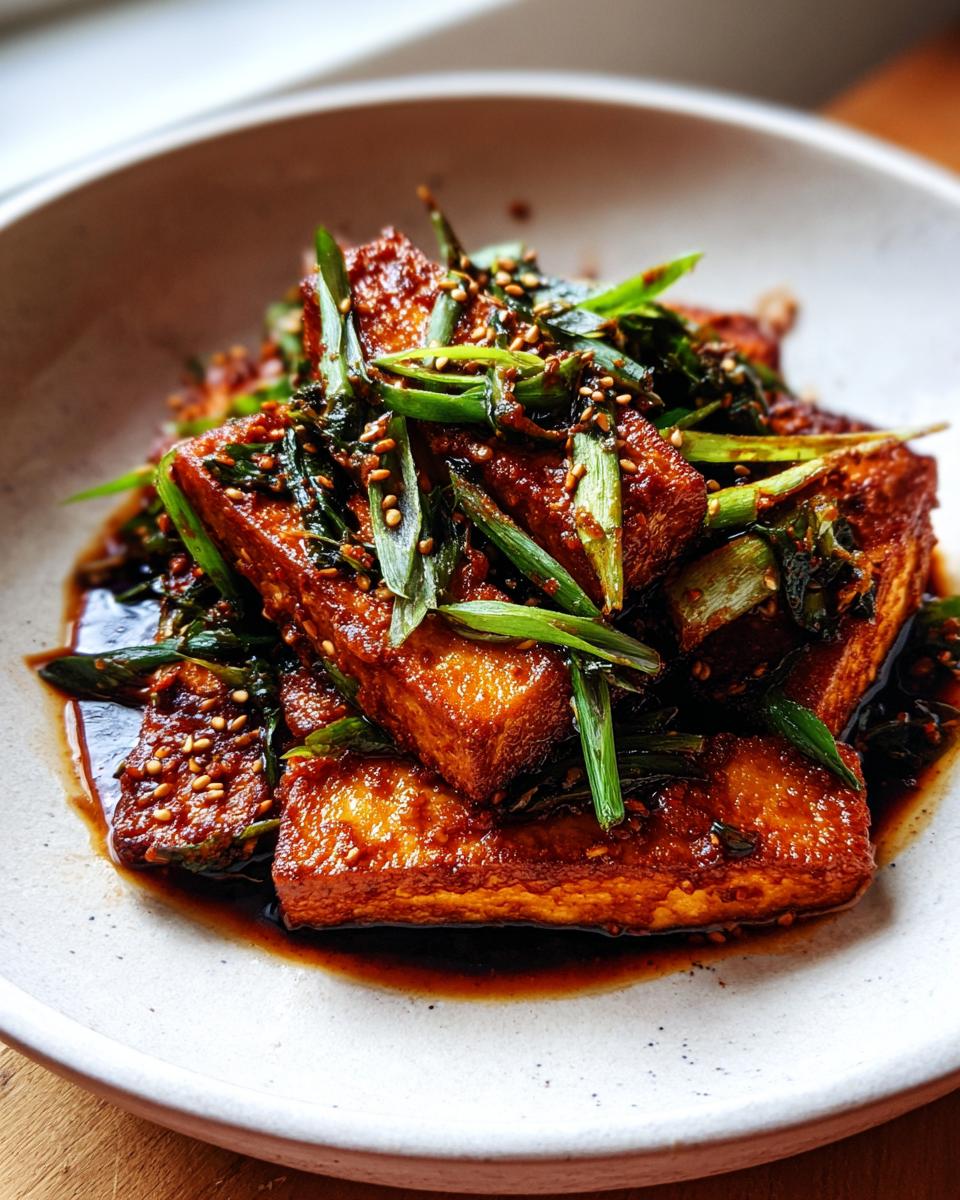
So, you’ve got this gorgeous, glossy Korean braised tofu ready—now what do you do with it? Most commonly, this is served as a fantastic banchan, right? Place a few pieces on a small plate next to steamed white rice and maybe some Kimchi—it makes a wonderful little trio. Because this is such a deeply flavored vegetable side dish korean style, it pairs beautifully with almost anything grilled or roasted. Honestly, I often eat it straight from the fridge the next day; it’s delicious warm, but it’s arguably even better at room temperature! If you’re looking to make a full meal out of it, pile it high over a big bowl of rice along with some steamed greens for a hearty, filling lunch that draws on the comfort food spirit even when making beans and rice louisiana style red beans inspiration.
Storage and Reheating Instructions for Korean Tofu Side Dish
Good news—leftovers are definitely a thing with this dish! I often think this Korean braised tofu tastes even better the next day once those flavors have really settled in together. Store any extras in an airtight container in the fridge for up to four days. You can check out our commitment to keeping your data safe over on the Privacy Policy page, but don’t worry, your recipe secrets are safe with us!
When you’re ready to eat, just be gentle! Pop a serving in the microwave for about 45 seconds, or heat it slowly on the stovetop over low heat. You want to warm it through, not boil it, which keeps that tofu from getting too slippery or breaking apart while reheating.
Frequently Asked Questions About How to Make Korean Dubu
Whenever I put out a new recipe, people always have specific worries, especially when it comes to texture! I’ve pulled together the questions I hear most often about this wonderful Korean braised tofu so you can feel totally confident when you get into the kitchen. Getting the basics right ensures you get that perfect, savory result every time we cook! If you have any other pressing questions after trying the recipe, feel free to reach out over at our Contact page.
Can I use soft or silken tofu for Korean braised tofu?
Oh, bless your heart for asking, but please don’t try this with soft or silken tofu! That beautiful, creamy tofu is meant for soups or desserts, not braising like this. When you try to pan-fry it, it will just break down almost immediately. For this Dubu Jorim recipe, you really need firm or, even better, extra-firm tofu. It’s the only way you get those nice, solid pieces that can stand up to that wonderful simmering sauce!
What is the best way to press tofu quickly?
I know time is precious when trying a quick weeknight tofu recipe! If you don’t have one of those fancy tofu presses, don’t fret. You can do what I sometimes do: wrap the block tightly in several layers of paper towels or a clean kitchen towel. Then, place it on a plate and put something really heavy on top—I usually use my big cast iron skillet or a couple of heavy cookbooks. Twenty minutes is ideal, but if you’re really short on time, press it for 15 minutes while you mix your sauce. Just get as much water out as you can!
Can this be a main dish instead of a banchan?
Absolutely, it can! While it shines as a classic side dish, or banchan, this is honestly hearty enough to be the centerpiece of a simple meal. If you serve about two or three times the portion size listed here over a very large bowl of steamed white rice, you’ve got yourself a complete meal. The sauce is so rich that it flavors the entire bowl of rice, turning it into a wonderful, flavorful tofu cooking methods experience! Just add a simple side of rice and maybe some crisp lettuce for wrapping, and dinner is served.
Share Your Experience Making This Flavorful Tofu Recipe
Wow, you made it through the whole process! Now comes my absolute favorite part—hearing from you. When Sarah Miller started HearthBite, it wasn’t just about swapping ingredients; it was about making connections over great food, whether that’s a rich carrot cake or a simple, incredible side dish like this Korean braised tofu.
I truly hope you loved the flavor of this Dubu Jorim. Did it come out perfectly savory? Did the tofu hold its shape? Please don’t be shy! Leave a star rating right below so others know this recipe is reliable, and drop a comment telling me how you served it. Did you eat it all as a vegetable side dish korean style, or did you make it into your main supper? Seeing your results means the world to me and keeps that warmth going in our shared kitchen here at HearthBite!
PrintAuthentic Korean Braised Tofu (Dubu Jorim)
Make this classic Korean side dish, Dubu Jorim, using firm tofu braised in a savory, slightly spicy soy-based sauce. This easy Korean tofu recipe is perfect for a quick weeknight meal.
- Prep Time: 10 min
- Cook Time: 20 min
- Total Time: 30 min
- Yield: 4 servings 1x
- Category: Side Dish
- Method: Pan-Frying and Simmering
- Cuisine: Korean
- Diet: Vegetarian
Ingredients
- 1 block (14-16 oz) firm or extra-firm tofu
- 2 tablespoons neutral cooking oil
- 1/2 cup water or vegetable broth
- 2 tablespoons soy sauce
- 1 tablespoon gochugaru (Korean chili flakes)
- 1 tablespoon soy sauce (for second addition)
- 1 tablespoon rice vinegar
- 1 tablespoon brown sugar or corn syrup
- 1 teaspoon minced garlic
- 1 teaspoon sesame oil
- 1/2 teaspoon grated fresh ginger
- 1 green onion, thinly sliced (for garnish)
- 1 teaspoon toasted sesame seeds (for garnish)
Instructions
- Press the tofu for at least 20 minutes to remove excess water. Wrap the tofu block in paper towels or a clean kitchen cloth and place a heavy object on top. Cut the pressed tofu into 1/2-inch thick slices.
- Heat the neutral oil in a non-stick skillet over medium heat. Gently place the tofu slices in the skillet, ensuring they do not overlap.
- Pan-fry the tofu for 3 to 4 minutes per side until golden brown and slightly crisp. Remove the tofu from the skillet and set aside.
- In a small bowl, whisk together the water or broth, 2 tablespoons of soy sauce, gochugaru, rice vinegar, brown sugar, minced garlic, sesame oil, and ginger to create the best Dubu Jorim sauce.
- Pour the sauce mixture into the same skillet. Bring the sauce to a simmer over medium heat.
- Carefully return the pan-fried tofu slices to the skillet, arranging them in a single layer if possible.
- Simmer the tofu for 5 to 7 minutes, gently spooning the sauce over the tofu occasionally. The goal is to reduce the liquid until it thickens slightly and coats the tofu well.
- Remove the skillet from the heat. Drizzle the remaining 1 tablespoon of soy sauce over the tofu for an extra layer of flavor.
- Transfer the Korean braised tofu to a serving plate. Garnish with sliced green onion and toasted sesame seeds before serving warm or at room temperature.
Notes
- For a less spicy flavor, reduce the gochugaru to 1/2 tablespoon.
- If you prefer a thicker sauce, simmer for a few extra minutes, or mix 1 teaspoon of cornstarch with 1 tablespoon of cold water and stir it into the simmering sauce until thickened.
- Firm or extra-firm tofu works best for this braising technique as it holds its shape better than silken tofu.
Nutrition
- Serving Size: 1/4 of recipe
- Calories: 180
- Sugar: 6
- Sodium: 650
- Fat: 10
- Saturated Fat: 1.5
- Unsaturated Fat: 8.5
- Trans Fat: 0
- Carbohydrates: 12
- Fiber: 3
- Protein: 12
- Cholesterol: 0