

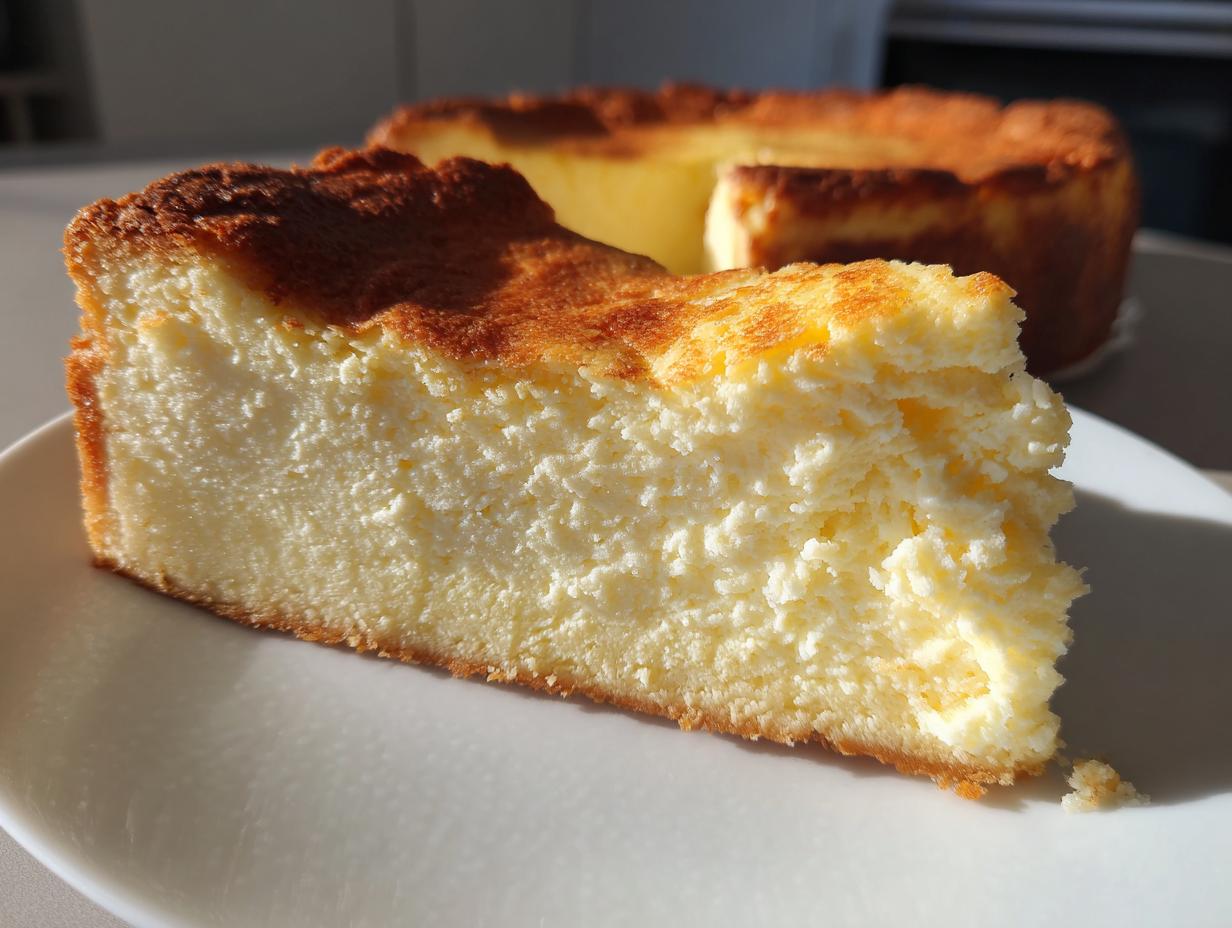
When I think about Italian desserts, I picture something truly special—elegant, bright, and never heavy. That’s exactly what we get with this italian ricotta cheesecake recipe, or Torta di Ricotta, as my family calls it. Forget those super dense, brick-like cheesecakes you might be used to; this one is airy, creamy, and relies on the pure flavor of good ricotta balanced beautifully with lemon zest. Here at HearthBite, we test everything to make sure it works perfectly for you at home, and this recipe proves that authentic, comforting classics don’t have to be intimidating. Trust me, this lighter, melt-in-your-mouth dessert will quickly become a staple in your rotation.
- Why This italian ricotta cheesecake recipe is a Family Favorite
- Gathering Ingredients for Your italian ricotta cheesecake recipe
- Step-by-Step Instructions for the italian ricotta cheesecake recipe
- Tips for the Best Homemade ricotta dessert Texture
- Variations on the Traditional italian ricotta cheesecake recipe
- Serving Suggestions for Your Torta di Ricotta recipe
- Storage and Reheating for this Baked ricotta cheese dessert
- Frequently Asked Questions about the italian ricotta cheesecake recipe
- Estimated Nutrition for the italian ricotta cheesecake recipe
Why This italian ricotta cheesecake recipe is a Family Favorite
The reason our family keeps coming back to this Authentic ricotta dessert is its sheer simplicity and incredible flavor payoff. Unlike the richer styles, this Torta di Ricotta feels bright on your palate, thanks to that kiss of lemon. When folks ask me how to make Italian cheesecake fluffy, the answer is always simple: trust the ricotta and don’t overwork the batter!
It manages to be decadent without weighing you down. Plus, it’s incredibly reliable for the home cook. This isn’t the kind of dessert that requires fancy water baths or a million fussy techniques; it just needs a little patience during the gentle mixing stage. You can find more reliable family favorites like this in our collection of comfort food recipes.
Gathering Ingredients for Your italian ricotta cheesecake recipe
You won’t need a pantry full of obscure items for this italian ricotta cheesecake recipe—it’s all about using a few high-quality basics perfectly. The magic really starts with selecting the right cheese. Make sure you have exactly one pound of whole milk ricotta cheese, and please, carve out the time to drain it properly!
For the structure and sweetness, we’re using one cup of granulated sugar, three large eggs that need to be at room temperature, and just a quarter cup of all-purpose flour to keep things light. Flavor-wise, you’ll need one teaspoon of vanilla extract and the zest of one large lemon—that zest is crucial for that authentic Italian brightness. Don’t forget the heavy cream and just a touch of salt to balance everything out. If you want to make it extra special, you can fold in your favorite mix-ins, like a half-cup of mini chocolate chips or maybe some candied citrus peel.
Key Ingredient Spotlight: Draining the Ricotta
I can’t stress this enough for any italian ricotta cheesecake recipe: Do not skip draining your cheese! Ricotta is notoriously wet. If you put it in the batter straight from the container, you’re guaranteed a sad, watery result. We need that richness, not soupiness. Placing it in cheesecloth set over a bowl for a few hours pulls out all that excess liquid, ensuring a dense, creamy texture rather than a cracked mess.
Step-by-Step Instructions for the italian ricotta cheesecake recipe
Okay, you’ve got your amazing, drained ricotta—now we bake! Remember, success in this italian ricotta cheesecake recipe comes down to calm, measured steps. If you rush the mixing or the cooling, you risk a less-than-perfect texture, but if you follow this, you’ll have a gorgeous dessert. It’s vital we get the temperature right and handle that filling gently. If you happen to need some quick bites before your cake is ready, check out my easy breakfast recipes for a temporary distraction!
Preparing the Pan and Oven for the italian baked cheesecake
First things first: get that oven warmed up to 325 degrees Fahrenheit. While it heats, lightly grease a 9-inch springform pan. Now, if you want that little shortcut crust—which is totally optional but delicious—grab about 1 1/2 cups of crushed shortbread cookies and mix them with 4 tablespoons of melted butter. Press that crumb mixture firmly into the bottom of the pan. Once it’s settled, pop the pan in the fridge to chill while you prepare the filling. Don’t skip the chilling, even if you’re in a rush!
Mixing the Light and Fluffy Ricotta Filling
Grab your biggest bowl! Beat that drained ricotta cheese with the granulated sugar until it looks really smooth—scrape down those sides constantly so nothing hides. Next, the eggs go in one by one. Pay attention here: mix well after *each* egg, but honestly, stop as soon as it’s combined. We are hunting for that fluffy texture, and beating the eggs too long adds too much air pressure which can cause problems later.
After the eggs, gently stir in the vanilla, lemon zest and juice, flour, and salt until everything looks uniform. Finally, whisk in the heavy cream until the batter is just smooth again. If you’re adding those chocolate chips or candied peel, fold them in very gently right at the end so they don’t disappear.
Baking and Slow Cooling: Secrets to a Perfect italian ricotta cheesecake recipe
Pour that beautiful batter right into your chilled or prepared pan. It goes into the preheated oven for about 50 to 60 minutes. You’ll know it’s ready when the edges look set, but if you gently nudge the pan, the very center still has a slight, soft jiggle. That jiggle is key!
Here is the biggest secret to avoiding cracks in your italian ricotta cheesecake recipe: the cooling process! As soon as those 60 minutes are up, turn the oven OFF. Prop the door open just a tiny bit—maybe stick a wooden spoon in the door jam. Let that cheesecake sit inside the turned-off oven for a full hour. This slow transition helps the delicate structure settle without collapsing. After the hour, take it out and let it finish cooling on a rack before you hide it in the fridge!
Tips for the Best Homemade ricotta dessert Texture
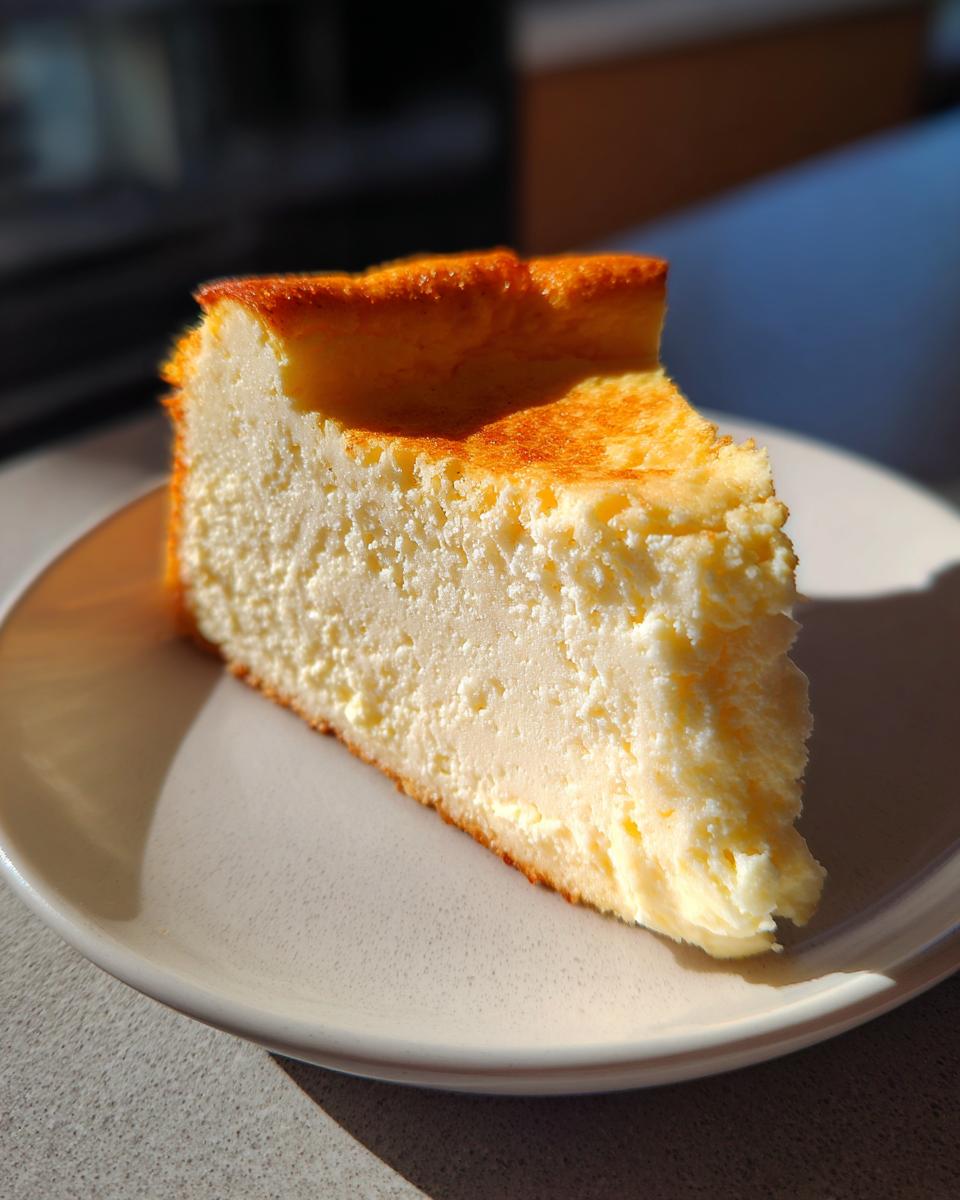
If you want to nail the *Best Italian cheesecake recipe* and get that incredibly light, melt-away texture, you have to respect the temperature of your ingredients. Always let your eggs sit out! Cold eggs just don’t blend well with the richer dairy components, and it messes with the structure.
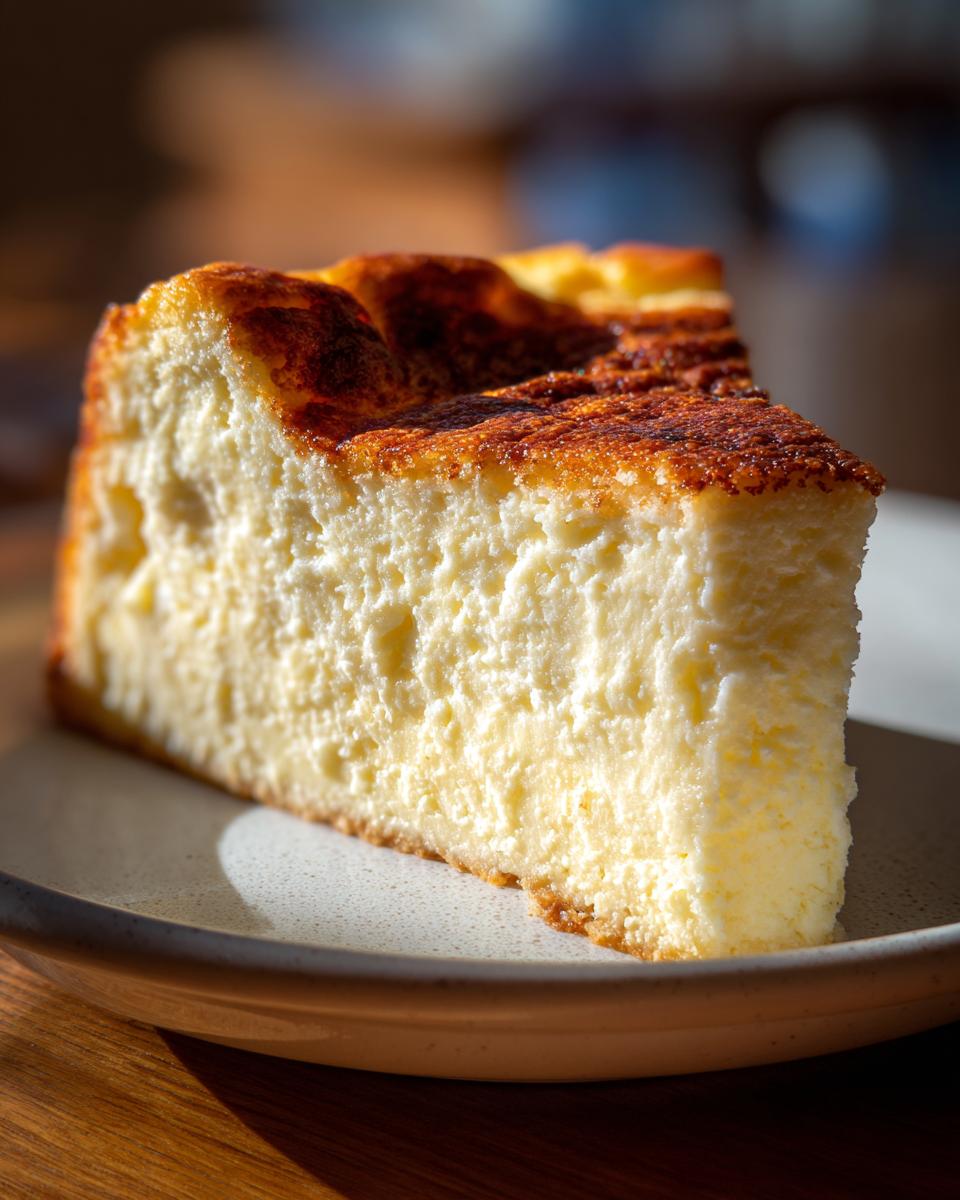
I learned this the hard way years ago when I was trying to get dinner on the table fast—I threw in cold eggs, over-mixed everything thinking I could beat the clumps out, and I ended up with a cheesecake that was slightly granular and sank like a rock in the middle. Oops! Don’t do what I did!
The rule of thumb for this dreamy homemade ricotta dessert is gentle mixing. Once you add the flour and cream, you are just stirring until combined. That’s it. Trust the slow cool-down method, and you’ll get that famous fluffy texture every single time. If you’re craving something easier after all that baking effort, you can always check out my quick easy dinner recipes!
Variations on the Traditional italian ricotta cheesecake recipe
Even though this italian ricotta cheesecake recipe is based on tradition, I absolutely encourage you to play around with it once you master the basic bake. The beauty of this dessert is how forgiving it is! If you’re looking for something a little richer or perhaps need a gluten-free option, you have a few great paths to explore.
If you aren’t a huge fan of lemon—though I think it’s the perfect pairing—swapping out the zest for fresh orange zest gives you a completely different, warm citrus note. It tastes incredible, especially alongside those optional candied citrus peels I mentioned earlier.
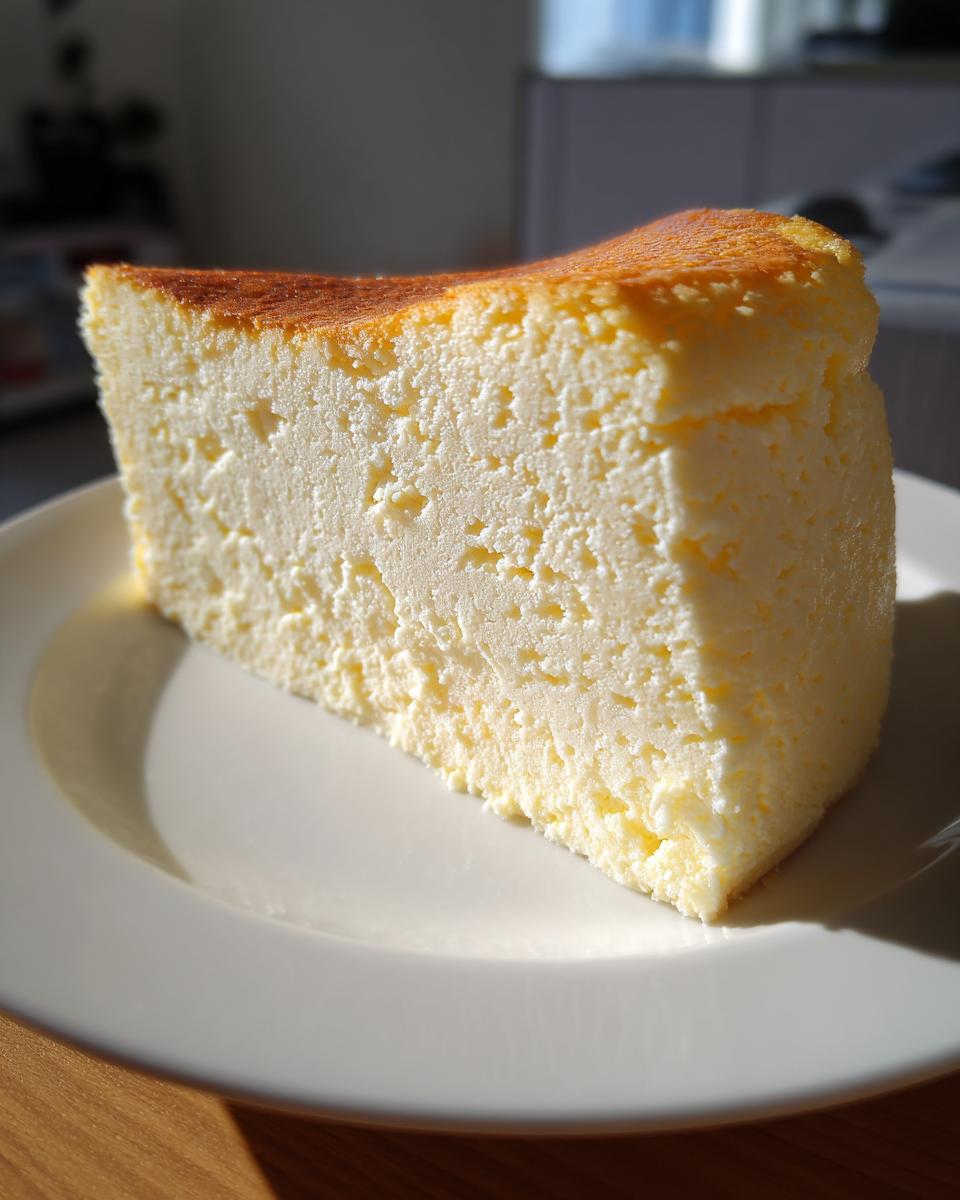
For those who gravitate toward chocolate, tossing in those mini chocolate chips at the end is a simple life hack for a decadent change. This makes it feel a little more like a traditional Sweet ricotta pie recipe but keeps that light, dreamy structure we worked so hard to achieve.
And speaking of crusts, if you don’t want to make the shortbread crumb crust, you can skip it entirely! This cheesecake sets up beautifully on its own. If you ever need alternatives for other baking projects, our gluten-free recipes section has some fantastic ideas for grain swaps!
Serving Suggestions for Your Torta di Ricotta recipe
This Torta di Ricotta is honestly perfect all on its own. Because the flavor is so clean and bright with that hint of lemon, I find it doesn’t need a heavy topping at all. A simple, light dusting of powdered sugar right before serving brings just the right touch of elegance, making it look beautiful on the table.
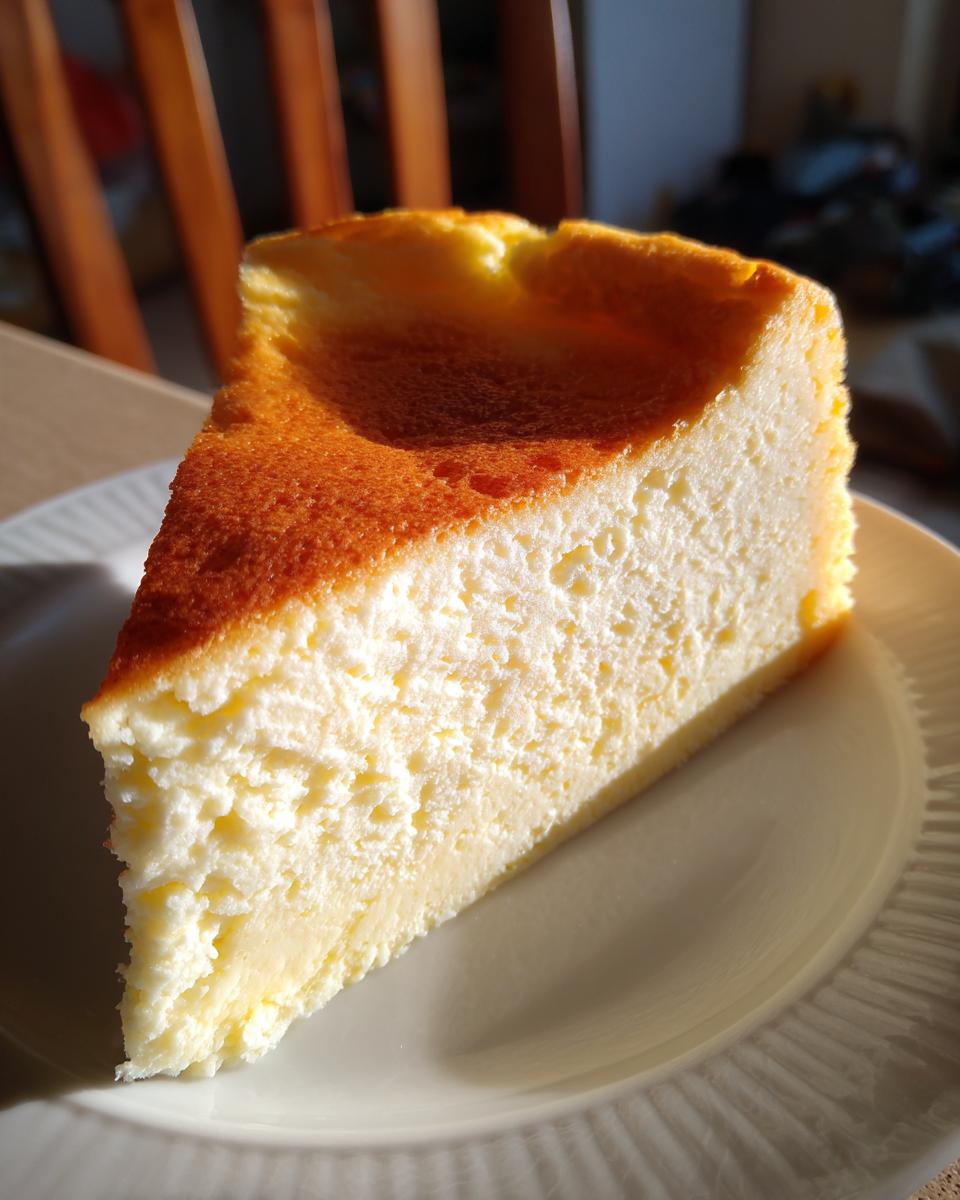
If you’re serving it after a bigger meal, a few fresh, bright berries—maybe some raspberries or sliced strawberries—add a lovely textural contrast. It pairs wonderfully with a small, strong espresso on the side. Sometimes, simplicity is truly the best way to serve these classic Italian gems. If you’re planning the whole meal, you might want to look at some of my healthy lunch recipes for lighter fare earlier in the day.
Storage and Reheating for this Baked ricotta cheese dessert
The patience you showed while baking this wonderful baked ricotta cheese dessert needs to carry over into storage, too! Ricotta cheesecake, much like its cream cheese cousin, truly benefits from a long chill time. You absolutely must let it cool completely on the counter, and then cover it very well and pop it into the refrigerator.
I always insist on chilling it for at least four hours, but honestly? Overnight is best. That mandatory chill time lets the texture firm up properly and allows those beautiful lemon and vanilla notes to settle into the body of the cake. It makes slicing so much cleaner, too!
Will it last? Yes, it keeps beautifully in the fridge for about four to five days, provided it’s tightly wrapped in plastic wrap or kept in an airtight container. I’ve found that reheating cheesecake is usually a big no-no. Warming it up tends to make the filling soft and potentially watery again, which defeats the purpose of making it so nicely set in the first place.
So, the best way to enjoy your leftovers is straight from the fridge, maybe letting it sit on the counter while you make your coffee, just to take the hard chill off. Then, enjoy that perfectly creamy slice!
Frequently Asked Questions about the italian ricotta cheesecake recipe
Can I use low-fat or skim ricotta for this recipe?
Oh, please don’t if you can help it! While you technically *can* substitute low-fat cheese, you are going to sacrifice so much of that rich, creamy texture that makes the italian ricotta cheesecake recipe so wonderful. We need the fat content from whole milk ricotta to achieve that authentic density and flavor profile. Using lower fat almost always results in a drier, more crumbly texture, and it might even be more prone to cracking!
My cheesecake sank after cooling. Why?
This is usually due to one of two things, mainly temperature shocks! The most frequent cause in cheesecakes that sink is cutting the oven too soon. If you pull it out when the center is molten, it collapses as it cools outside too quickly. Make sure you follow that one hour slow cool-down inside the turned-off oven! If you need a quick pick-me-up while you wait for your next bake, you can check out my easy creamy peanut sauce recipe for dinner inspiration!
What is the difference between this Torta di Ricotta and a New York Cheesecake?
That’s a great question that gets right to the heart of Italian baking! New York style relies almost entirely on cream cheese, which results in a very dense, smooth, and often taller cake. Our Torta di Ricotta uses ricotta cheese, which gives it a lighter, slightly grainier, and often fluffier texture. It’s less heavy, usually less sweet, and often flavored with citrus like lemon, making it taste much brighter than the rich, buttery New York style.
Is skipping the slow cooling phase really that bad?
Honestly, skipping the slow cool is one of the quickest ways to ruin a beautiful bake. I know we’re all busy, right? But baking is chemistry, and cheesecake batter is delicate. If you go straight from 325°F to room temperature, the sudden temperature drop causes the proteins set in the filling to contract too rapidly, which results in that dreaded crack right down the middle. That hour in the slightly ajar oven lets it contract gently. It’s the secret to a perfect surface!
Estimated Nutrition for the italian ricotta cheesecake recipe
When we talk about enjoying our food, it’s nice to have a general idea of what’s in that gorgeous slice we just devoured! Here are the estimated nutritional values for one slice of this italian ricotta cheesecake recipe. Keep in mind that these numbers, like any homemade recipe, are just an estimate based on standard ingredient calculations. Your specific brand of ricotta or the sweetener you use can change these numbers slightly, but it gives you a good baseline!
- Serving Size: 1 slice
- Calories: 350
- Fat: 22g
- Carbohydrates: 30g
- Protein: 10g
Since this classic Italian dessert uses whole milk dairy and sugar, those numbers look pretty typical for a rich, satisfying slice of cheesecake. But honestly, who’s counting when it tastes this incredible? Enjoy every bite!
PrintAuthentic Italian Ricotta Cheesecake (Torta di Ricotta)
Make a light, creamy, and flavorful Italian Ricotta Cheesecake, often called Torta di Ricotta. This recipe uses simple ingredients and results in a moist dessert perfect for any occasion.
- Prep Time: 20 min
- Cook Time: 60 min
- Total Time: 80 min
- Yield: 10 servings 1x
- Category: Dessert
- Method: Baking
- Cuisine: Italian
- Diet: Vegetarian
Ingredients
- 1 pound whole milk ricotta cheese, well-drained
- 1 cup granulated sugar
- 3 large eggs, room temperature
- 1 teaspoon vanilla extract
- Zest of 1 large lemon
- 1/4 cup all-purpose flour
- 1/4 teaspoon salt
- 1/2 cup heavy cream
- 1 tablespoon fresh lemon juice
- Optional: 1/2 cup mini chocolate chips or candied citrus peel
Instructions
- Preheat your oven to 325 degrees Fahrenheit. Lightly grease a 9-inch springform pan.
- If you want a crust, press 1 1/2 cups of crushed shortbread cookies mixed with 4 tablespoons of melted butter into the bottom of the prepared pan. Chill while you prepare the filling.
- In a large bowl, beat the drained ricotta cheese and granulated sugar together with an electric mixer until smooth. Scrape down the sides of the bowl.
- Add the eggs one at a time, mixing well after each addition until just combined. Do not overmix.
- Stir in the vanilla extract, lemon zest, lemon juice, flour, and salt until the batter is uniform.
- Gently whisk in the heavy cream until the batter is smooth. If using, fold in chocolate chips or candied peel.
- Pour the batter into the prepared springform pan.
- Bake for 50 to 60 minutes. The edges should be set, and the center should still have a slight jiggle when gently nudged.
- Turn off the oven, prop the door open slightly, and let the cheesecake cool inside the oven for 1 hour. This slow cooling helps prevent cracking.
- Remove the cheesecake from the oven and cool completely on a wire rack. Once cool, refrigerate for at least 4 hours, or preferably overnight, before serving.
Notes
- Use high-quality, whole milk ricotta cheese for the best texture. Drain excess liquid by placing the ricotta in a fine-mesh sieve lined with cheesecloth over a bowl for at least 2 hours before starting.
- To achieve a fluffy texture, avoid overbeating the eggs; mix only until incorporated.
- For a traditional look, dust the top with powdered sugar before serving.
Nutrition
- Serving Size: 1 slice
- Calories: 350
- Sugar: 28g
- Sodium: 150mg
- Fat: 22g
- Saturated Fat: 13g
- Unsaturated Fat: 9g
- Trans Fat: 0.5g
- Carbohydrates: 30g
- Fiber: 1g
- Protein: 10g
- Cholesterol: 95mg