

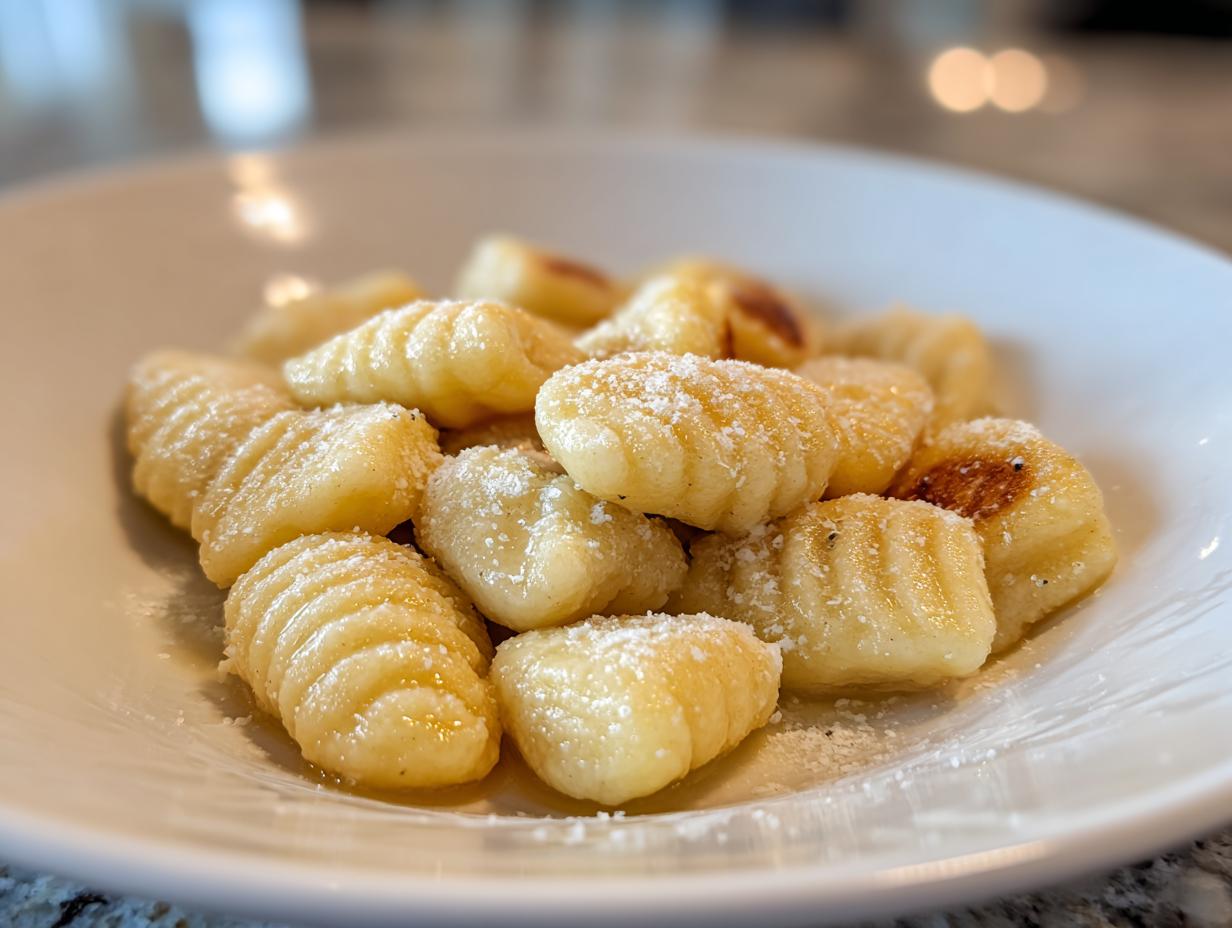
If you’ve ever attempted homemade gnocchi only to end up with little potato hockey pucks, trust me, you are not alone! It’s one of those classic Italian dishes that sounds simple but can be maddeningly difficult to get right. Too much handling, the wrong potato, or just a little too much flour—and suddenly, all that comforting flavor turns dense and gummy. Well, I promise you, that stops today. Here at HearthBite, we focus on making those cherished family recipes reliable, and this guide strips away all the confusion. I’m going to show you the exact, foolproof way to achieve genuinely **homemade soft pillowy gnocchi** that melts right in your mouth. You’ll see how simple it is when you know the potato secrets!
- Why This is Your Best Homemade Soft Pillowy Gnocchi Recipe
- Gathering Ingredients for Soft Potato Gnocchi Recipe
- The Easy Homemade Gnocchi Tutorial: Step-by-Step Preparation
- Cooking Techniques for Light and Fluffy Gnocchi
- Serving Suggestions for Your Homemade Soft Pillowy Gnocchi
- Troubleshooting Common Homemade Potato Pasta Issues
- Make-Ahead and Storage Tips for Homemade Soft Pillowy Gnocchi
- Frequently Asked Questions About Making Pillowy Gnocchi From Scratch
- Sharing Your Homemade Soft Pillowy Gnocchi Creation
Why This is Your Best Homemade Soft Pillowy Gnocchi Recipe
I know you’ve seen recipes that tell you to boil your potatoes first, but I’m here to tell you that’s the quickest path to dense gnocchi! We focus on maximizing flavor and minimizing water absorption right from the start. That’s how we guarantee a consistently **light and fluffy gnocchi** every single time you try this. Trust me, once you try this method, you won’t go back to the old ways. If you want to know more about why we do things a little differently here at HearthBite, you can always pop over to our About Page!
The Secret to Pillowy Gnocchi From Scratch Texture
Achieving that cloud-like texture comes down to three absolutely non-negotiable things. First, only use the right potato—starchy Russets work like magic. Second, we bake the potatoes whole; no waterlogged insides allowed! Third, treat the dough like spun sugar. You bring it together barely enough, adding the absolute minimum amount of flour until it holds its shape. Seriously, less kneading equals softer gnocchi. That’s the trifecta for success right there!
Gathering Ingredients for Soft Potato Gnocchi Recipe
You only need four simple things to start making your dream gnocchi happen. That’s it! The beauty of this dish is its simplicity, but the exact type of ingredient really matters for achieving that wonderfully soft texture we are aiming for. Here is what you’ll need for dinner tonight:
- 2 pounds Russet potatoes (about 3 medium), scrubbed
- 1 large egg, lightly beaten
- 1 teaspoon salt
- 1 cup all-purpose flour, plus more for dusting
Ingredient Notes and Substitutions
Listen, if you swap out the starchy Russet potatoes for waxy ones like Yukon Gold, you’re already fighting an uphill battle. Waxy potatoes hold too much water, and that means you’ll be tempted to add more flour. Resist that urge! Flour is the enemy of soft gnocchi. This is one of those moments where measuring precisely helps, but remember: the flour amount is truly variable. It’s one of those key **no-fail gnocchi texture tips**—stop adding flour the second the dough stops being intensely sticky!
The Easy Homemade Gnocchi Tutorial: Step-by-Step Preparation
Okay, buckle up! This is where the magic—and the technique—really happens. Following this **easy homemade gnocchi tutorial** guarantees you avoid dense dumplings. Remember, the entire goal here is to keep the potatoes airy and dry. We want tenderness, not toughness! If you’re looking for great dipping sauces, maybe check out some of the options over on our Easy Breakfast Recipes page for general inspiration.
Preparing the Potatoes: The Moisture Control Step
Forget boiling – that’s the first mistake people make! We are baking our Russets whole on a sheet pan at 400°F (200°C) for about an hour, until they are fork-tender. Once they are cool enough to handle but still piping hot inside, slice them open and scoop out all that fluffy flesh immediately. Spread the flesh onto a clean surface for about five minutes. Letting that steam escape is a huge part of the **authentic Italian gnocchi method**; it dries out the interior just enough before we add anything else.
Mixing and Kneading for Homemade Soft Pillowy Gnocchi
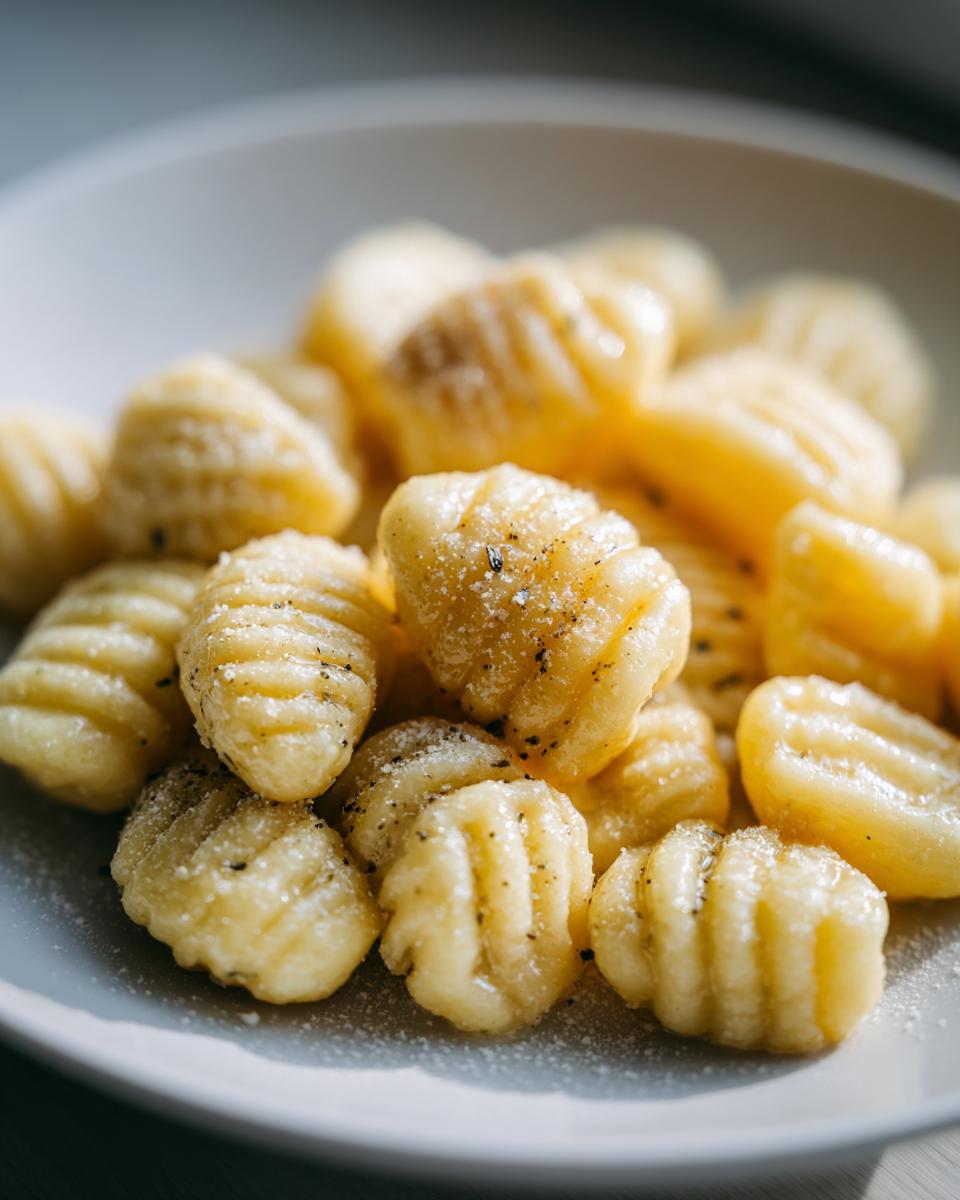
Once the potatoes are warm (not scorching hot!), make a well in the center. Toss in your egg and salt. Now, slowly sprinkle in most of your flour, about three-quarters of a cup to start. Use your hands to bring everything together—and I mean gently! You are not making bread here! You only want to knead it maybe three or four times until it just starts to look like dough. If it’s still impossibly sticky, add flour just a teaspoon at a time until it’s tacky, but not clinging horribly to your palms. Overworking develops gluten, and gluten makes hockey pucks, not soft dumplings!
Shaping Your Pillowy Gnocchi From Scratch
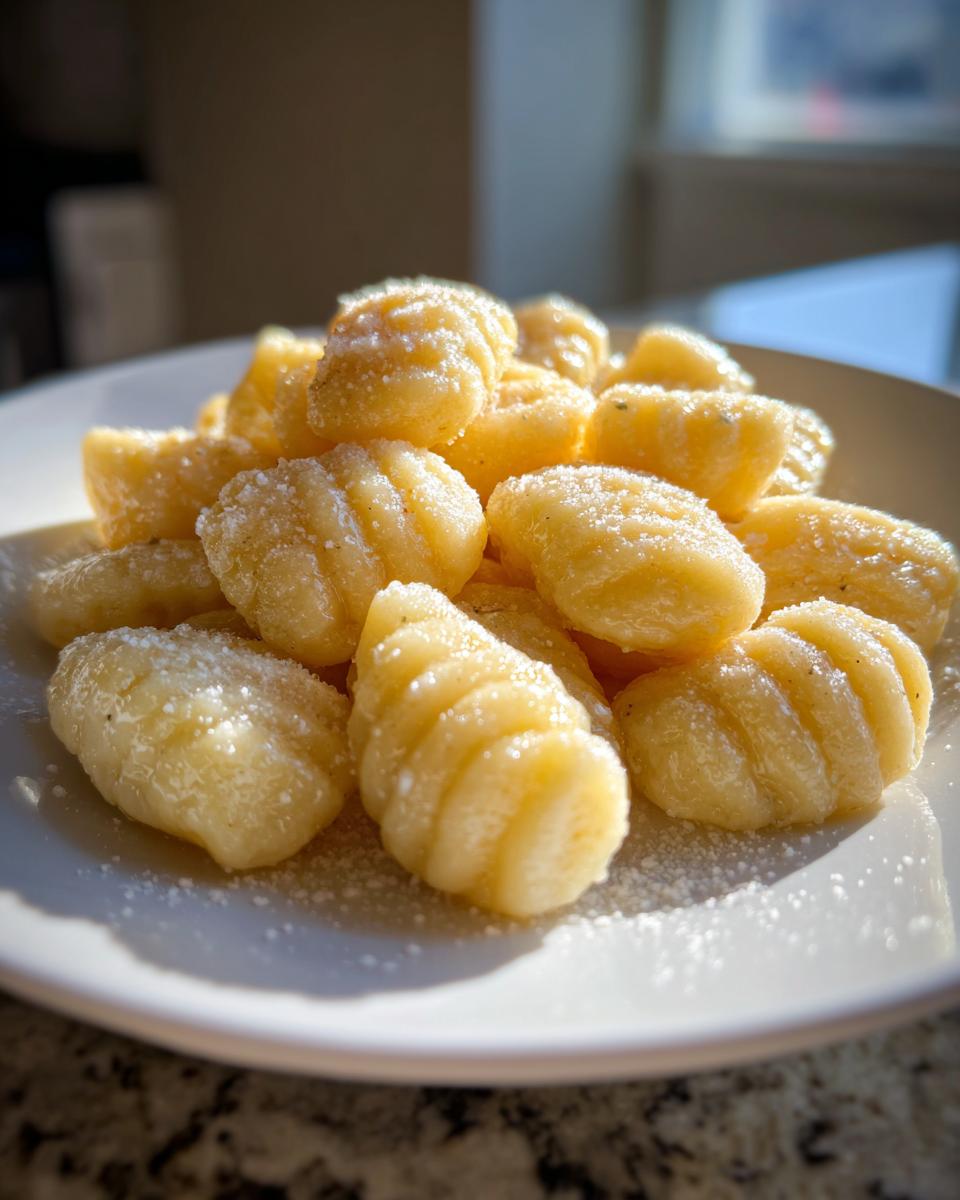
Take your cohesive dough ball and cut it into four manageable chunks. Roll each chunk into a rope about 3/4 of an inch thick. Use a bench scraper or a dull knife to cut those ropes into little bite-sized pillows, again, about 3/4 inch long. If you want sauce to stick later—and you do!—gently roll each pillow down the back of a fork or a special gnocchi board, pressing lightly with your thumb to make that classic groove. This little step really shows off your beautiful results.
Cooking Techniques for Light and Fluffy Gnocchi
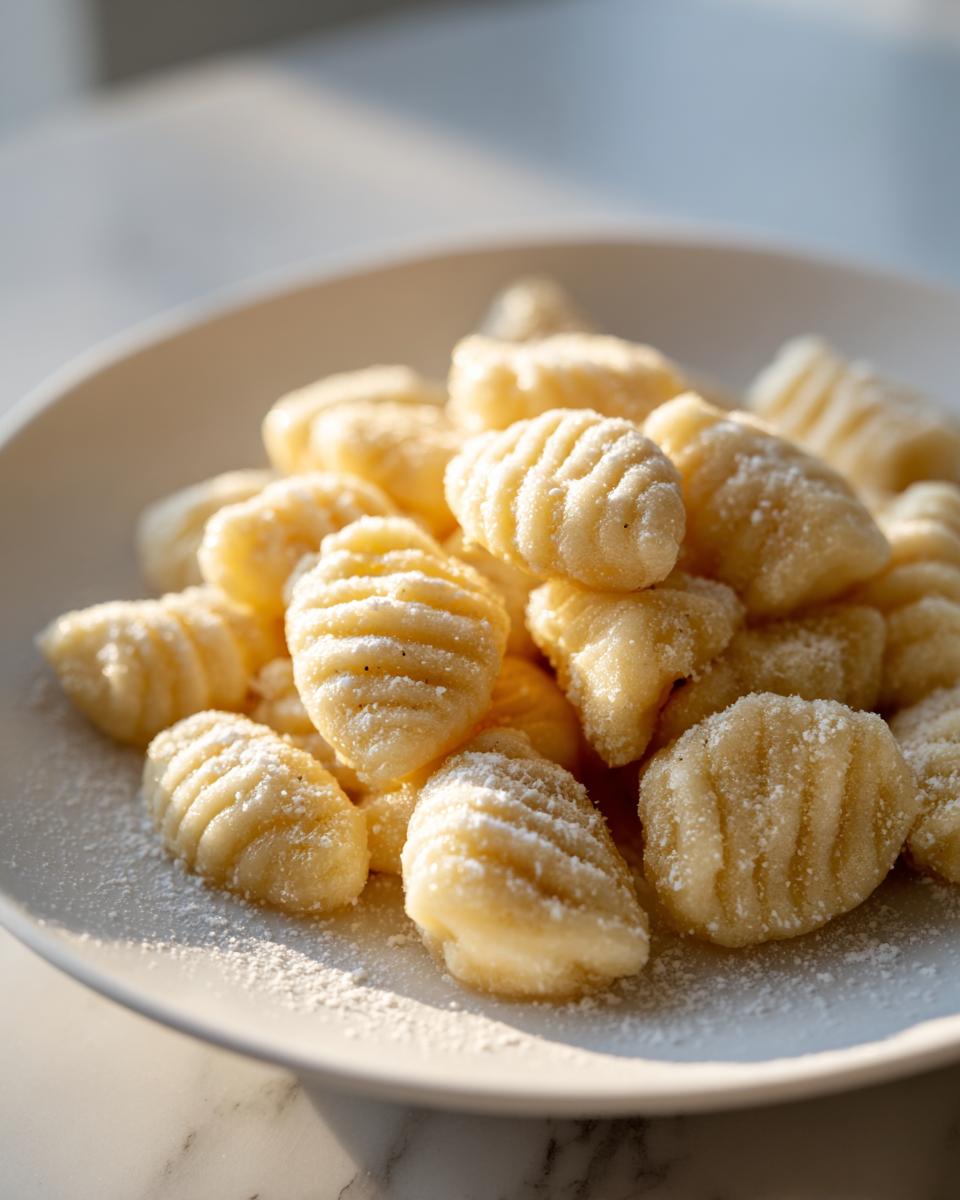
Don’t mess this up at the finish line! You need a HUGE pot of water, salted like the sea, at a true rolling boil. Drop your little pillows in, but only a small batch at a time. If you crowd the pot, the water temperature drops, and they cook unevenly—hello, mushy bottoms! These **tricks for pillow soft gnocchi** matter because we want them dancing, not sticking together. Watch them closely. As soon as they pop up and float to the surface, that’s your signal. Pull them out right then! Letting them boil even a minute longer means they start getting dense.
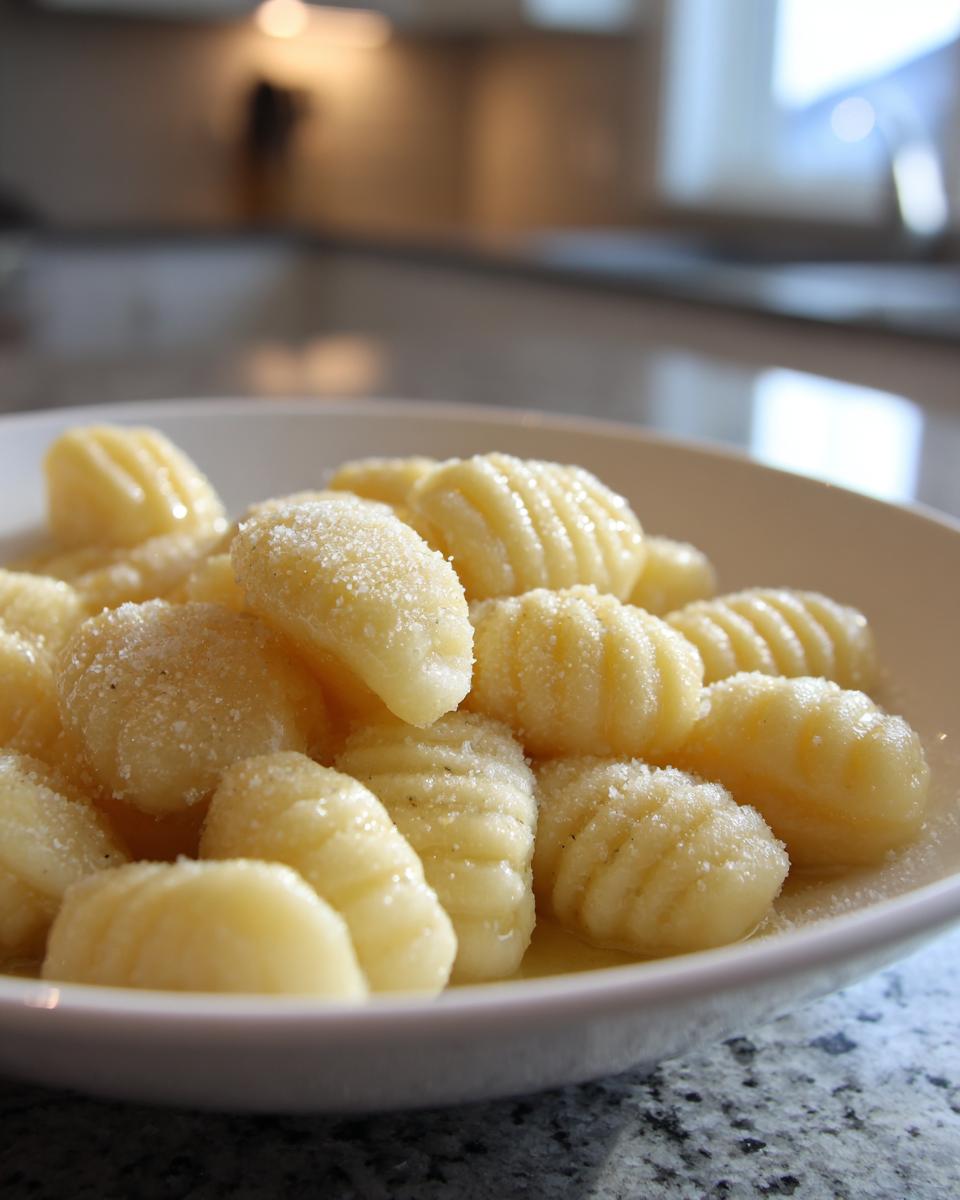
Use a slotted spoon to scoop them right into your waiting warm sauce. If you need some amazing sauce inspo, check out my quick and easy dinner recipes for pairing ideas!
Serving Suggestions for Your Homemade Soft Pillowy Gnocchi
What do you do once you have these incredible, cloud-like pillows? You keep it simple! That’s my biggest piece of advice. Since the gnocchi texture itself is the star here, we don’t want heavy, thick sauces weighing them down. My absolute favorite way is just tossing them in brown butter and fresh sage—the smell alone is heaven! A simple, bright marinara sauce works amazingly too. If you want something a little richer but still perfect for coating these beauties, I have a wonderful recipe for caramelized onion pasta that pairs beautifully with the sweetness of the potato.
Troubleshooting Common Homemade Potato Pasta Issues
Don’t let a small batch go wrong scare you off trying again! When you’re learning **how to make soft potato dumplings**, you’re going to run into issues, but they are almost always fixable with a small adjustment next time. The big one folks complain about is density. If your gnocchi feel heavy and thick, 99% of the time it means you overworked the dough or, more likely, you added too much flour early on. Next time, just hold back that last quarter cup until you absolutely need it.
What if they are falling apart in the water? That usually means the dough was too wet to begin with, or maybe you left them swimming in the boiling water for too long after they floated. Pull them the second they hit the surface! And hey, if you’re curious about flour alternatives for other recipes, I have some thoughts on gluten-free recipes that might help you understand the structure of dough better.
Make-Ahead and Storage Tips for Homemade Soft Pillowy Gnocchi
I always make a huge batch because boiling them takes almost no time once the prep is done! If you want to freeze some uncooked gnocchi, lay them out on a baking sheet dusted with semolina or flour, making sure they aren’t touching at all. Pop that whole tray into the freezer until they are rock solid—we call that flash freezing. Once frozen, you can toss them into a bag, like the one I use for my freezer jam! When you cook them later, just drop them right into the boiling water straight from the freezer; they take an extra minute or two.
If you have leftovers that are already cooked, keep them in the fridge for up to two days, tucked into a little sauce. They might get a tiny bit firmer when reheated, so give them a quick toss in a hot pan with some butter to revive that pillowy softness.
Frequently Asked Questions About Making Pillowy Gnocchi From Scratch
I always get the same questions when people are trying this for the first time, and honestly, they all come back to getting that airy texture we love! Don’t stress if your first batch isn’t absolutely perfect; cooking is all about learning the feel of the dough. I’ve gathered the most common queries right here, and I hope these help you nail your **pillowy gnocchi from scratch**! If you’re looking for more heartwarming dishes, you’ll find tons of inspiration on my comfort food recipes page.
Can I use sweet potatoes for homemade soft pillowy gnocchi?
Oh, that’s a tempting thought, but I strongly advise against it if you are going for that traditional, light texture. Sweet potatoes have way more sugar and moisture than Russets. If you use them, you’ll have to compensate by dumping in so much extra flour just to get the dough to handle, and boom—you’ve instantly traded pillow-softness for chewiness. Stick to starchy potatoes for this recipe!
What is the best flour for soft potato gnocchi recipe?
For our purposes here, standard all-purpose flour is exactly what you want. It has just the right medium protein level. It gives the gnocchi enough structure so they don’t completely dissolve in the water, but it hasn’t got so much protein that it makes them tough and rubbery. It’s that perfect middle ground for that melt-in-your-mouth feel!
My gnocchi sank to the bottom; what went wrong?
If they sank and stayed sunk, that means they were undercooked, plain and simple. They need that crucial float time to be done! If they float but then immediately sink again, it usually means they were too wet, so they are doomed to be dense creatures. Remember, the floating moment is the finish line!
Sharing Your Homemade Soft Pillowy Gnocchi Creation
Wow, you made it all the way through! I honestly hope you’re smelling that wonderful, earthy potato scent in your kitchen right now. This whole process, from baking the potato to that first perfect bite, is such a satisfying joy to create. Now that you’ve mastered the art of the **homemade soft pillowy gnocchi**, I really want to know how they turned out for you!
Did they float perfectly? Did they feel light as air? Don’t be shy—come back and leave a comment down below telling me what sauce you decided on. Seeing your success stories is truly the best part of running HearthBite; it proves you don’t need to be an Italian nonna to nail these classics. If you have any final burning questions, you can always reach out via my contact page!
Thank you so much for letting me guide you through making these beautiful potato pillows. Happy cooking, and I hope this recipe brings a lot of warm comfort to your table!
Warmly,
Sarah Miller, HearthBite Founder
PrintThe Secret to Cloud-Like, Pillowy Homemade Potato Gnocchi (Step-by-Step Guide)
Follow this detailed guide to make soft potato gnocchi from scratch that stays light and fluffy, avoiding dense or gummy results. This recipe focuses on simple techniques for perfect texture.
- Prep Time: 25 min
- Cook Time: 10 min
- Total Time: 35 min
- Yield: 4 servings 1x
- Category: Main Course
- Method: Boiling
- Cuisine: Italian
- Diet: Vegetarian
Ingredients
- 2 pounds Russet potatoes (about 3 medium), scrubbed
- 1 large egg, lightly beaten
- 1 teaspoon salt
- 1 cup all-purpose flour, plus more for dusting
Instructions
- Bake the potatoes whole on a baking sheet at 400°F (200°C) for 50 to 60 minutes, or until easily pierced with a fork. Do not boil them, as boiling adds too much moisture.
- While the potatoes are hot, slice them in half lengthwise and scoop the flesh into a large bowl or onto a clean work surface. Discard the skins.
- Rice or mash the hot potato flesh immediately. Spread it out slightly to allow steam to escape for about 5 minutes. You must work with warm, not hot, potatoes.
- Make a well in the center of the riced potato. Add the lightly beaten egg and salt into the well.
- Gradually sprinkle about 3/4 cup of the flour over the potatoes and egg mixture.
- Use your hands to gently bring the mixture together. Work quickly and lightly. Knead the dough only 3 or 4 times until it just forms a cohesive mass. Overmixing develops gluten and makes the gnocchi tough.
- If the dough is too sticky to handle, add the remaining flour, one tablespoon at a time, until it is slightly tacky but no longer sticks heavily to your hands.
- Divide the dough into four equal pieces. Roll each piece into a long rope, about 3/4 inch thick.
- Use a bench scraper or knife to cut the rope into small, pillow-shaped pieces, about 3/4 inch long.
- For classic ridges, gently roll each piece down the back of a fork or a gnocchi board, pressing lightly with your thumb to create a small indentation. This helps the sauce adhere.
- Bring a large pot of salted water to a rolling boil.
- Drop the gnocchi into the boiling water in small batches; do not overcrowd the pot.
- Cook until the gnocchi float to the surface, usually 2 to 3 minutes after floating.
- Use a slotted spoon to remove the cooked gnocchi immediately and transfer them to your prepared sauce.
Notes
- The key to soft potato gnocchi recipe success is using the least amount of flour possible. The exact amount varies based on the moisture content of your potatoes.
- Always use starchy potatoes like Russets for the best, fluffiest texture.
- Do not boil the gnocchi longer than necessary; they are done as soon as they float.
- If your gnocchi are too dense, you likely overworked the dough or used too much flour.
Nutrition
- Serving Size: 1 cup
- Calories: 280
- Sugar: 1
- Sodium: 350
- Fat: 1
- Saturated Fat: 0
- Unsaturated Fat: 1
- Trans Fat: 0
- Carbohydrates: 60
- Fiber: 4
- Protein: 7
- Cholesterol: 50