

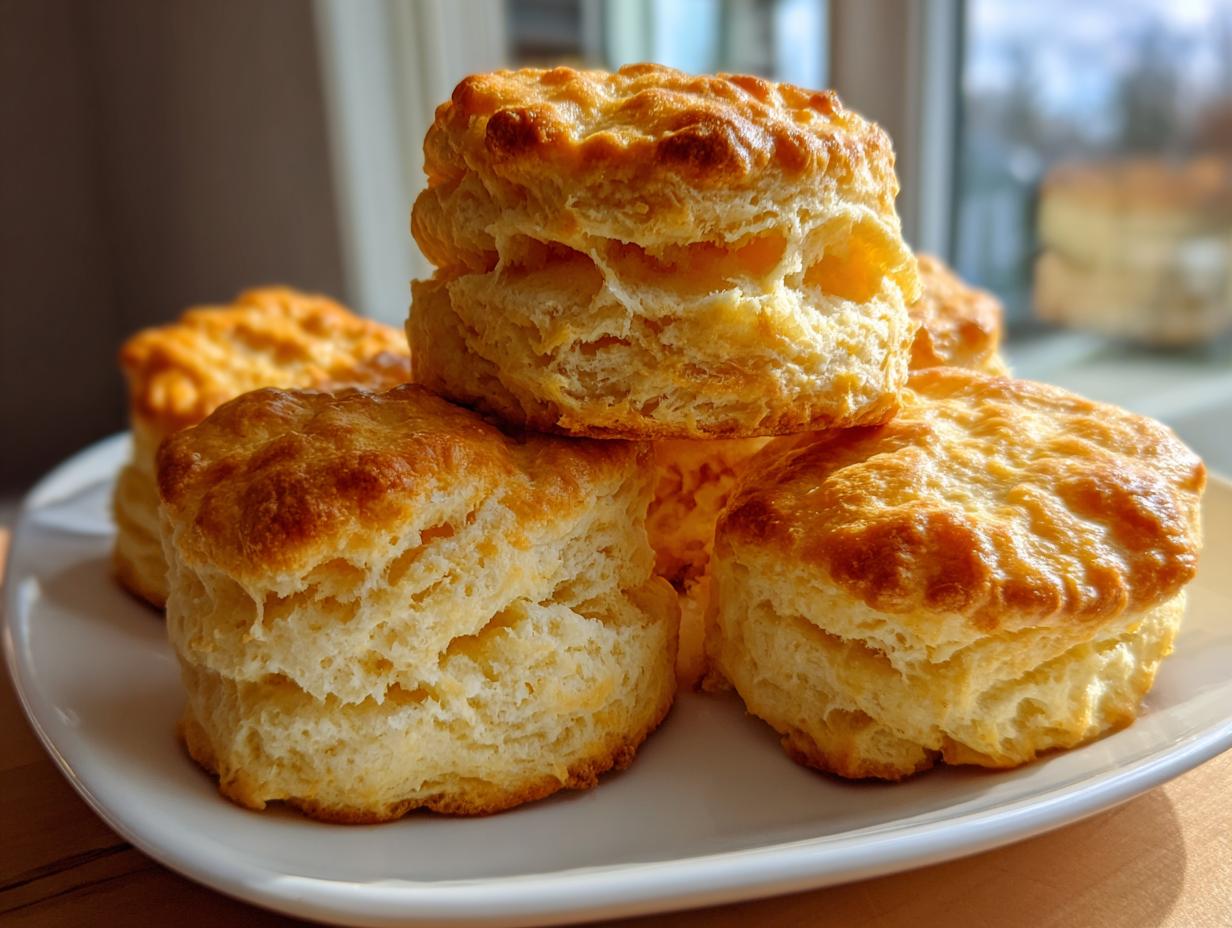
Finding that perfect, soaring height in a homemade biscuit—the kind that practically begs to be pulled apart—feels like achieving a small miracle, doesn’t it? For me, discovering the secrets to truly tall and *flaky layers* turns a simple morning into a celebration. That’s why I’m sharing what I call my artisan mastery technique for making the best Fluffy Buttermilk Biscuits you’ll ever taste. Here at HearthBite, we believe baking should feel comforting and reliable, and achieving restaurant-quality biscuits at home is absolutely within reach. Forget those flat, dense pucks you sometimes end up with; we’re going for clouds of buttery fluff.
- Achieving Artisan Mastery: Why These Fluffy Buttermilk Biscuits Rise Tall
- Gathering Ingredients for Perfect Fluffy Buttermilk Biscuits
- Step-by-Step Instructions for Tall Fluffy Buttermilk Biscuits
- Baking Your Fluffy Buttermilk Biscuits for Maximum Height
- Tips for Success with Southern Biscuits
- Serving Suggestions for Your Homemade Bread
- Storage and Reheating Fluffy Buttermilk Biscuits
- Frequently Asked Questions About Buttermilk Biscuit Recipe
- Nutritional Estimates for This Buttermilk Biscuit Recipe
Achieving Artisan Mastery: Why These Fluffy Buttermilk Biscuits Rise Tall
If you want biscuits that look like they came straight from a high-end bakery, you need to embrace the concept of artisan mastery. It sounds fancy, but it just means perfecting a couple of non-negotiable rules: everything must stay ice cold, and you have to respect the dough.
My testing showed me that flat biscuits always happen when the butter gets warm too soon. We need distinct layers, and those layers are formed by pockets of cold butter surrounded by flour. When that butter hits the 425-degree heat, it creates steam, and that steam pushes the layers apart—that’s your height!
We achieve this height not by kneading, but by gentle folding. This technique builds structure without developing too much gluten, which keeps the Fluffy Buttermilk Biscuits tender inside. Seriously, trust me on the folding; it completely changes the game for these Southern biscuits. Check out some of my other easy breakfast recipes after you master this!
The Secret to Flaky Layers in Your Fluffy Buttermilk Biscuits
Flaky layers are literally what we are chasing here. Think about laminated pastry, but simpler! We create those visible sheets by repeating a specific folding motion. When I fold the dough into thirds, I’m stacking dozens of thin layers of butter and flour on top of each other.
When you finally cut the dough, those layers are waiting patiently. If you twist that cutter, you seal the edges, and the biscuit has nowhere to go but out instead of up. We want straight, clean cuts so the steam blasts upward, giving you those beautiful, separating flaky layers. That upward push is what makes these Fluffy Buttermilk Biscuits the tallest ones around.
Gathering Ingredients for Perfect Fluffy Buttermilk Biscuits
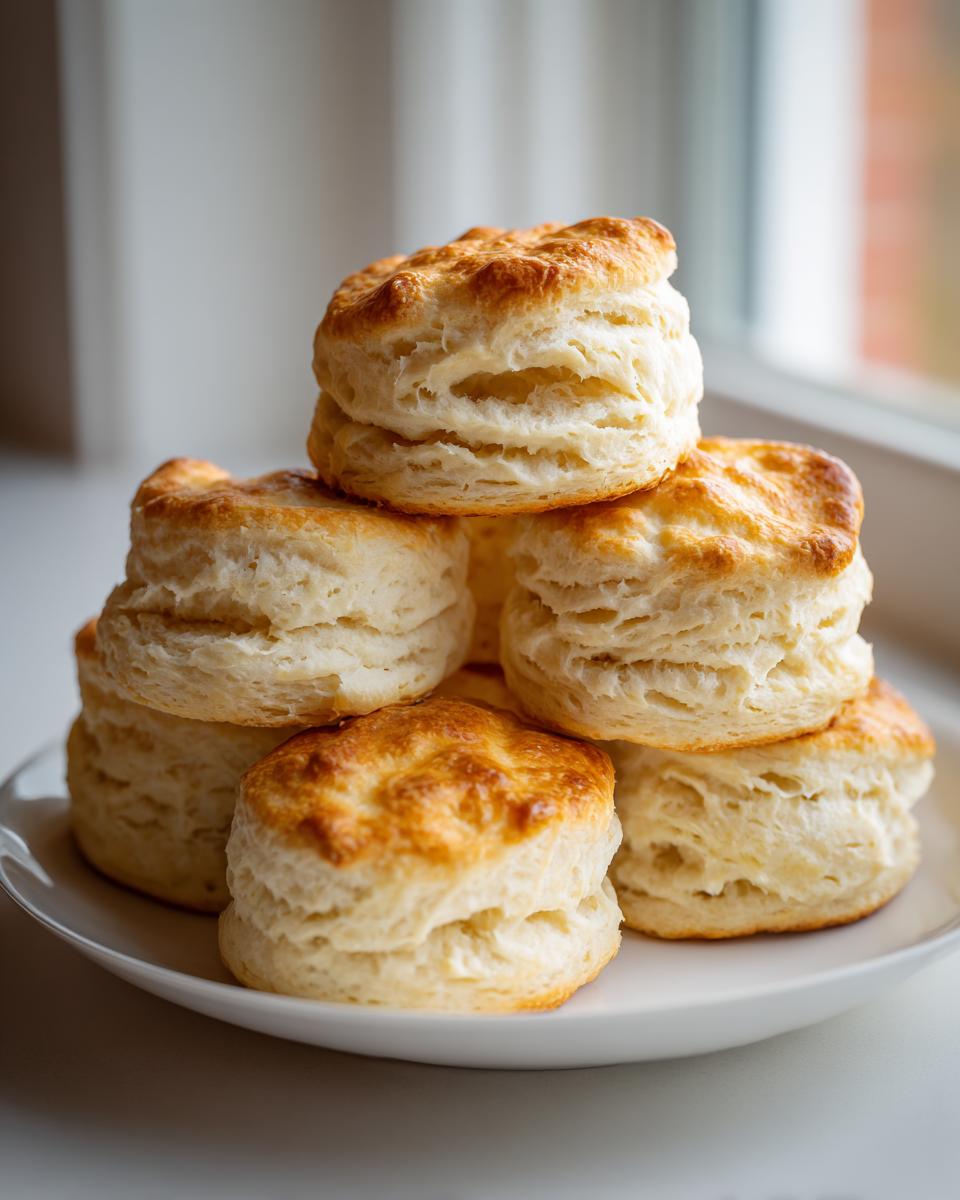
Okay, let’s get down to what you need. With this buttermilk biscuit recipe, the quality and temperature of what goes into the bowl really matters. I’ve listed out the essentials below, but the most important thing you need to notice right off the bat is that butter. We need exactly 6 tablespoons, and I mean very cold and cut into small cubes. Don’t soften it, don’t melt it—keep it frigid!
The structure of these Fluffy Buttermilk Biscuits depends on that cold fat doing its job against the heat. We use baking powder and soda together—that’s our double-action leavening working hard. Having everything measured precisely before we start is key to keeping our timing tight.
Ingredient Notes and Substitutions for Buttermilk Biscuit Recipe
My number one rule, which I can’t stress enough, is cold, cold, cold. If your buttermilk gets warm, the dough gets greasy fast. If you’re out of buttermilk for your Southern biscuits, don’t panic! You can make a quick substitute for this buttermilk biscuit recipe. Just take your regular milk—whole milk works best—and stir in one tablespoon of white vinegar or lemon juice. Let it sit on the counter for five minutes until it looks slightly curdled. That’s your stand-in for that necessary acidic boost!
Also, use all-purpose flour; don’t mess around with bread flour here. We want tenderness, not chewiness. Keep that butter as small, hard blocks, and you’re halfway to that amazing, towering rise!
Step-by-Step Instructions for Tall Fluffy Buttermilk Biscuits
Now that we have our perfectly cold components ready, it’s time for the fun part where we put our artisan knowledge into practice! We aren’t just mixing; we are engineering these biscuits for height. We want to work fast here so that butter doesn’t warm up on us. Grab your biggest mixing bowl, because we need room to work without splashing everything onto the counter—I learned that the hard way!
First, whisk all those dry bits together so the leavening agents are evenly distributed—this is crucial for a uniform rise in your Fluffy Buttermilk Biscuits. Then, we move straight into incorporating that cold, cubed butter. Remember, we are building structure for those amazing comfort food recipes!
Mastering the Cold Butter Cut-In Technique
When you cut the butter into the flour, your goal isn’t to make sand; it’s to make coarse crumbs with some visible, pea-sized chunks of butter remaining. Those chunks are your miracle workers! They carry the moisture and fat needed to create the steam that launches your biscuit toward the ceiling. Use a pastry blender if you have one, or just your fingertips, but work quickly so your hands don’t warm up the butter too much. Stop as soon as you see those little yellow specks!
The Folding Method for Achieving Flaky Layers
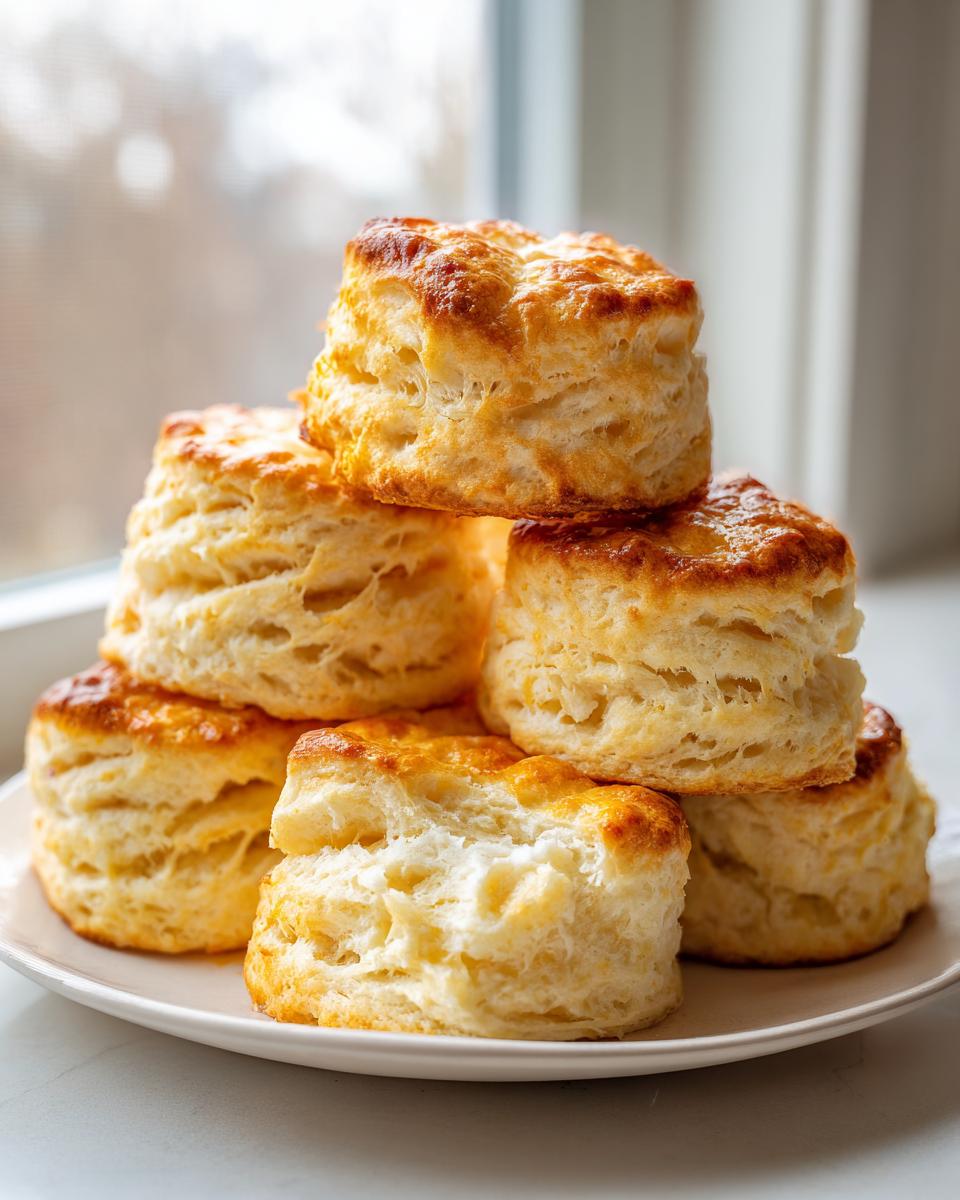
This is where the magic happens for those gorgeous, individual flaky layers. After mixing in the buttermilk until it’s just shaggy, turn the dough out gently. Pat it into a rectangle about an inch thick. Now, fold it like you’re folding a traditional business letter—one side over the middle, and the other side over that. Turn the resulting dough 90 degrees, pat it back to about an inch thick, and do that folding process again! One more fold is perfect for this buttermilk biscuit recipe. This gentle layering is what produces the towering, artisan bakery look we are aiming for with these Fluffy Buttermilk Biscuits.
Baking Your Fluffy Buttermilk Biscuits for Maximum Height
We’ve done the hard work building the internal structure, so now we need to respect that work in the oven! First things first: make sure that oven is fully preheated to 425 degrees Fahrenheit; you need that blast of heat immediately. When you go to cut your shapes, please, please, please do not twist that cutter! Press straight down, lift straight up. Twisting seals the sides shut, and your beautiful Fluffy Buttermilk Biscuits won’t be able to soar.
For the tallest rise, place the cut biscuits right next to each other on an ungreased sheet pan. When they touch, they force each other upward instead of spreading out sideways. If you want an extra insurance policy for truly breathtaking height, pop the entire sheet into the freezer for about ten minutes before they hit the heat. Seriously, that blast of extreme cold before the oven sets the butter perfectly—it’s a game-changer for these Fluffy Buttermilk Biscuits. You can check out my quick easy dinner recipes once you’ve had your fill of biscuits!
Tips for Success with Southern Biscuits
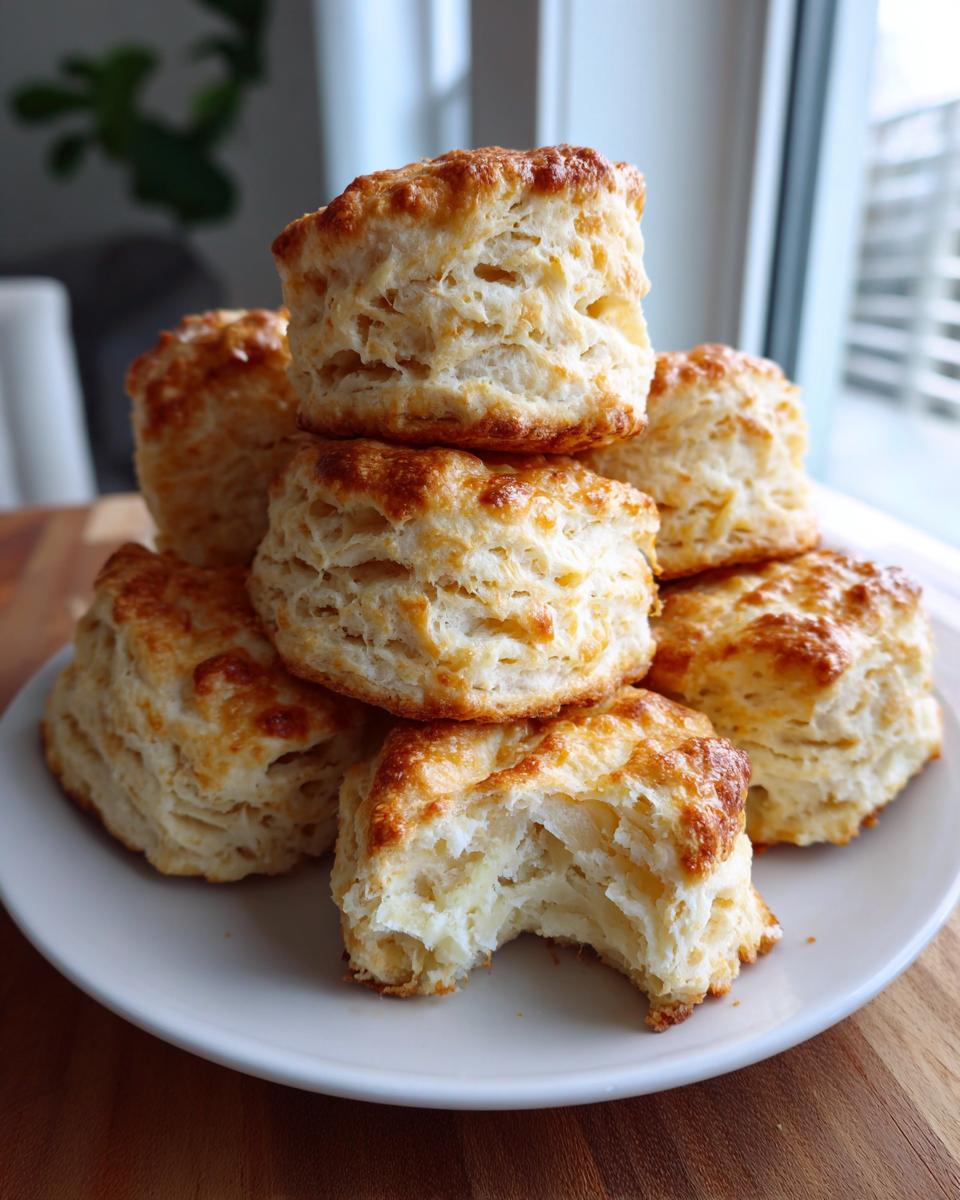
Even with the best technique, sometimes things go little sideways, right? But with these Southern biscuits, most issues come down to temperature control. If your biscuits came out flat, I guarantee you that butter was too soft when you cut it in, or you twisted the cutter.
Another thing I always double-check is my oven. Don’t trust the light to tell you when it’s ready! You need that searing heat, so grab an inexpensive oven thermometer to make sure you are actually hitting 425°F. If your oven runs cool, those butter pockets won’t steam properly, and you’ll lose out on that gorgeous rise.
Lastly, handle the dough as little as possible after you add the buttermilk. Overworking it develops gluten, leading to tougher bread instead of tender biscuits. Keep practicing those folds and cutting straight lines! If you need something sweet after all this bread, try my recipe for best old-fashioned southern banana pudding!
Serving Suggestions for Your Homemade Bread
Well, your magnificent tower of Fluffy Buttermilk Biscuits is ready! The best part of baking from scratch is deciding what to slather on top, isn’t it? These deserve the very best toppings.
For a truly classic morning, you absolutely have to serve these with some rich, homemade sausage gravy—it’s the ultimate comfort food experience. If you’re looking for the recipe, I’ve got my go-to biscuits and gravy recipe right here!
If gravy feels like too much work, just split one open right away while it’s hot. A smear of salted butter melting into those flaky layers is pure heaven. Or, if you prefer sweet, try local blackberry jam or a drizzle of raw honey that you warm up just slightly.
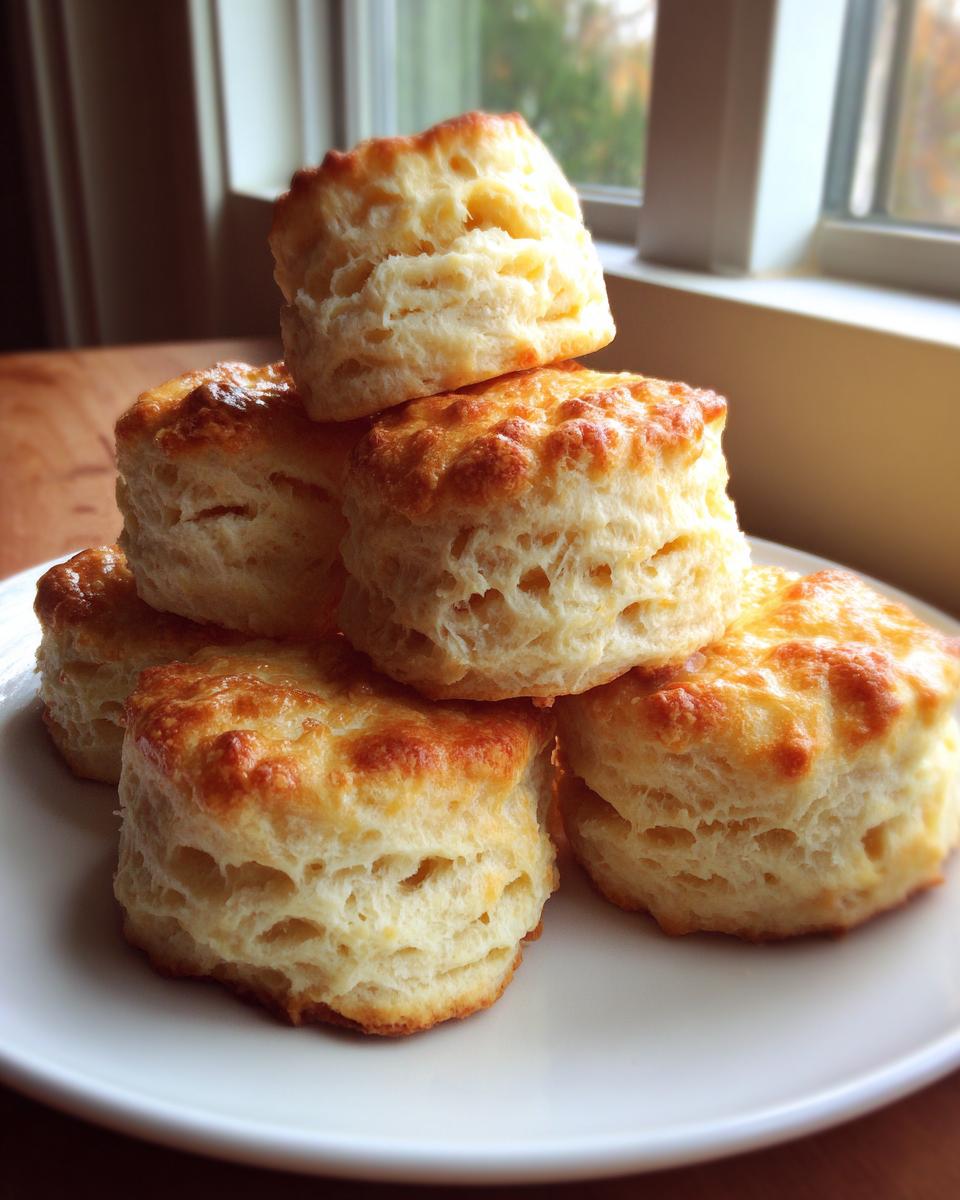
Storage and Reheating Fluffy Buttermilk Biscuits
If you manage to have any Fluffy Buttermilk Biscuits leftover—which is a minor miracle in my house—storage is simple. Keep them in an airtight container at room temperature. They are best eaten the day they are made, of course! But if you need to save them for the next day, they’ll be fine.
When it’s time to reheat, skip the microwave if you can! Microwaving makes them tough, which ruins all that beautiful height we worked for. Instead, wrap them loosely in foil and place them in a 350-degree oven for about 5 to 7 minutes. That little bit of dry heat brings back the crisp exterior and softens the middle perfectly.
Frequently Asked Questions About Buttermilk Biscuit Recipe
I know baking always brings up questions, especially when you’re aiming for that perfect height for your Southern biscuits! Here are a few things I hear all the time when folks are trying out this buttermilk biscuit recipe.
Why did my biscuits come out flat instead of tall?
Nine times out of ten, flat biscuits mean one of two things: your butter wasn’t cold enough, or you twisted the biscuit cutter! If the butter melts before it hits the oven, you lose the steam pockets that push the biscuit up. Also, twisting seals the edges, preventing a straight rise. Remember, press down hard and lift straight up. If you’re looking for other easy baking projects, check out my healthy lunch recipes for some ideas!
Can I use regular milk instead of buttermilk?
Yes, you totally can in a pinch, as I mentioned above, but buttermilk is hands-down superior for the best results. The acid in buttermilk reacts beautifully with the baking soda we added, resulting in a better lift and that classic tangy flavor. If you must substitute, use one cup of regular milk mixed with one tablespoon of white vinegar or lemon juice, and let it sit for five minutes before using.
How do I know exactly when these Fluffy Buttermilk Biscuits are done baking?
You’ll be looking for that gorgeous golden-brown color on top, usually around 12 to 15 minutes at 425°F. But for extra assurance, you can gently touch the top center—it should spring back lightly, not feel dense or gooey. If you’re worried about the bottoms burning before the tops are done, you can carefully move them to a lower rack for the last two minutes, but usually, baking them close together on an ungreased sheet pan helps keep the bottoms from over-browning too quickly.
Should I use salted or unsalted butter?
I always prefer unsalted butter for this recipe. We add salt separately to control the overall sodium level for the best flavor balance in the dough. Since we are controlling the salt with the teaspoon measurement, using unsalted butter gives you the most reliable, artisan results.
Nutritional Estimates for This Buttermilk Biscuit Recipe
Now, I know some of you are counting calories or just curious about what’s in these amazing, towering delights. Keep in mind that this kitchen is all about comfort and flavor, so we aren’t exactly aiming for low-fat here, right? These estimates are based on the recipe using standard ingredient brands and measuring everything exactly as noted.
This information is just a general guideline for one single, glorious biscuit. If you happen to eat two (and I won’t judge you!), you’ll just double the numbers. We always recommend taking these figures with a grain of salt!
- Serving Size: 1 biscuit
- Calories: 250
- Fat: 12g (Saturated Fat: 7g)
- Carbohydrates: 30g
- Protein: 6g
- Sodium: 450mg
- Sugar: 2g
Tallest Rise Fluffy Buttermilk Biscuits
Follow these steps for artisan mastery in making tall, flaky Southern biscuits using cold butter and specific folding techniques.
- Prep Time: 20 min
- Cook Time: 15 min
- Total Time: 35 min
- Yield: 8 biscuits 1x
- Category: Breakfast
- Method: Baking
- Cuisine: American
- Diet: Vegetarian
Ingredients
- 2 cups all-purpose flour
- 1 tablespoon baking powder
- 1 teaspoon baking soda
- 1 teaspoon salt
- 6 tablespoons unsalted butter, very cold and cut into small cubes
- 3/4 cup cold buttermilk
Instructions
- Combine the flour, baking powder, baking soda, and salt in a large bowl. Whisk them together well.
- Add the cold butter cubes to the flour mixture. Use a pastry blender or your fingertips to cut the butter into the flour until the mixture resembles coarse crumbs with some pea-sized pieces of butter remaining.
- Make a well in the center of the dry ingredients and pour in the cold buttermilk. Mix gently with a fork until just combined. Do not overmix; the dough will look shaggy.
- Turn the dough out onto a lightly floured surface. Gently pat the dough into a rough rectangle about 1 inch thick.
- Perform the first fold: Fold the dough into thirds, like a business letter. Turn the dough 90 degrees and gently pat it back into a rectangle about 1 inch thick.
- Repeat the folding process one more time. This folding creates the flaky layers.
- Pat or lightly roll the dough to a final thickness of about 3/4 inch.
- Use a biscuit cutter (do not twist the cutter) to cut out the biscuits. Press straight down to keep the sides straight for a high rise.
- Place the cut biscuits close together on an ungreased baking sheet. For maximum height, place them touching.
- Brush the tops lightly with a little extra buttermilk, if desired.
- Bake in a preheated oven at 425 degrees Fahrenheit for 12 to 15 minutes, or until the biscuits are golden brown and tall.
Notes
- Keep all ingredients, especially the butter and buttermilk, very cold for the best rise.
- Do not twist the biscuit cutter; this seals the edges and prevents the biscuits from rising high.
- For extra flakiness, chill the cut biscuits in the freezer for 10 minutes before baking.
Nutrition
- Serving Size: 1 biscuit
- Calories: 250
- Sugar: 2
- Sodium: 450
- Fat: 12
- Saturated Fat: 7
- Unsaturated Fat: 5
- Trans Fat: 0
- Carbohydrates: 30
- Fiber: 1
- Protein: 6
- Cholesterol: 25