

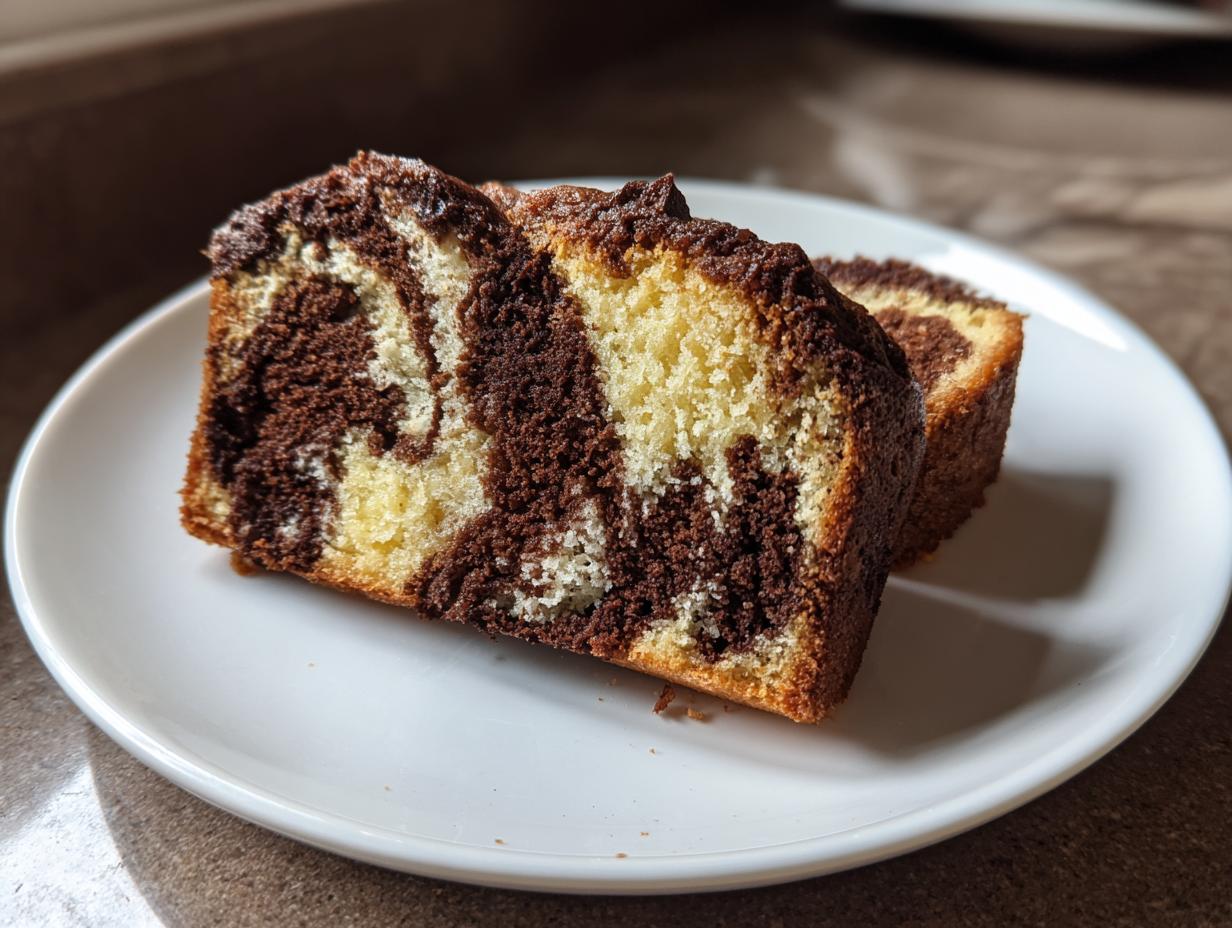
There’s just something magical about that quiet time in the afternoon, isn’t there? Setting out a warm drink and a slice of something wonderfully familiar. For me, few things say comfort quite like a classic german marble cake. It’s a staple in German kitchens, and here at HearthBite, Sarah Miller is dedicated to bringing you recipes that are not just traditional, but truly reliable for your home baking.
This isn’t some fussy, complicated bake either! We worked hard to get the ratio just right so you get that signature dense yet tender crumb every single time. Forget dry cakes; this Marmorkuchen is built for sharing with family and friends over coffee. This recipe is our honest effort to capture authentic German baking, right here in your own kitchen.
- Why This Authentic German Marble Cake Recipe Works
- Essential Ingredients for Your German Marble Cake
- Step-by-Step Instructions: How to Make Marmorkuchen Swirl
- Baking Times and Temperature for the Best German Loaf Cake
- Tips for Success with Your Traditional German Coffee Cake
- Serving Suggestions for This Easy German Bundt Cake
- Storage and Reheating Instructions for Moist German Marble Cake
- Frequently Asked Questions About German Baking Recipes
- Share Your Simple Chocolate Vanilla Marble Loaf Experience
Why This Authentic German Marble Cake Recipe Works
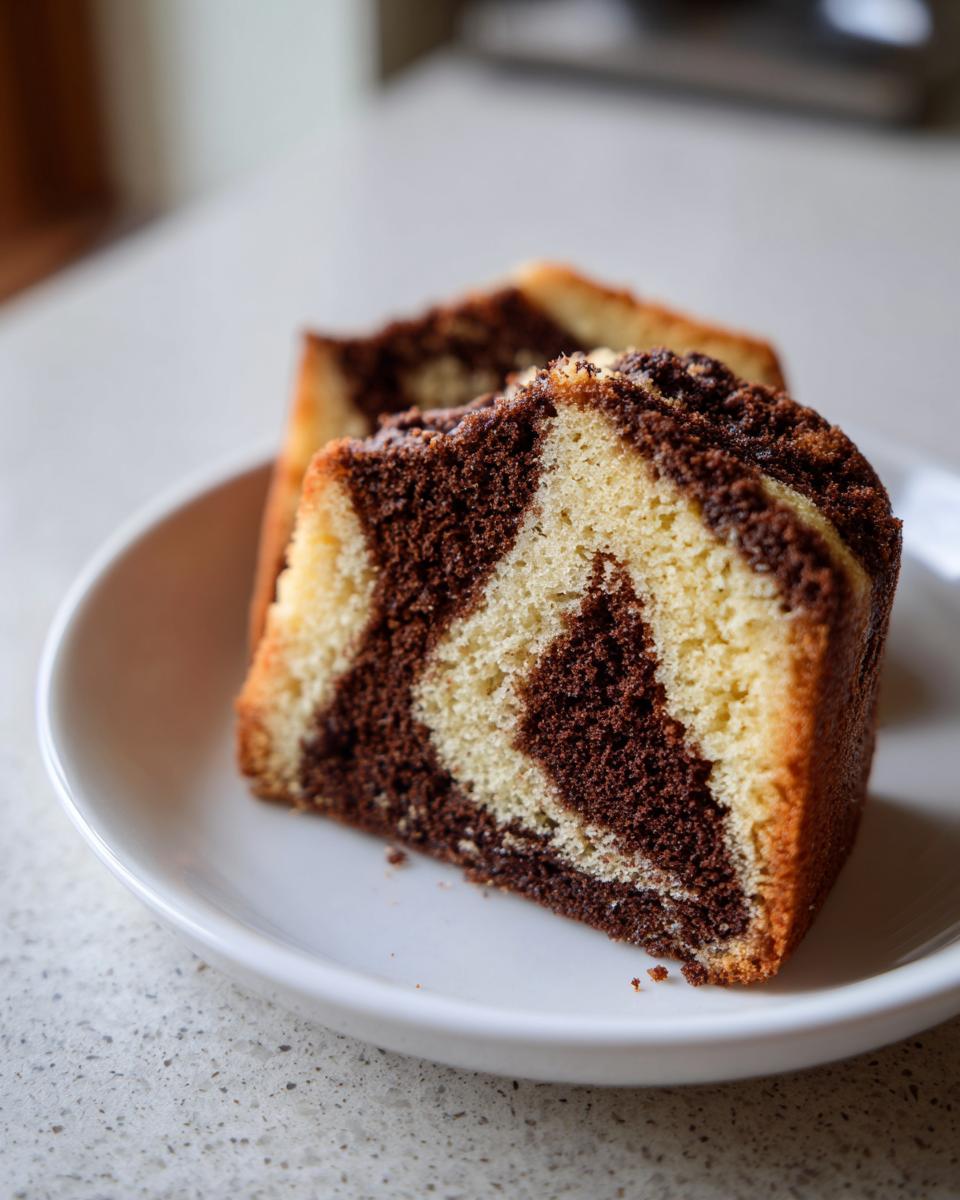
When I share a recipe, especially a traditional one, I want you to have total confidence before you even turn on the oven. That’s why this Marmorkuchen recipe focuses on a few specific points that make all the difference. You’re going to get that beautiful, high-contrast swirl and a cake that stays tender for days. Trust me, you won’t be disappointed! If you want to learn more about the HearthBite philosophy behind these reliable recipes, check out our About Us page.
- It relies on the classic creaming method, which incorporates just the right amount of air without making it too fluffy.
- We use precise ratios of fat and flour to guarantee that dense but beautifully soft structure.
- The way we handle the cocoa powder mixture ensures deep color without curdling the batter.
Achieving the Signature Moist Two Tone Cake Texture
The secret to moistness here isn’t just dumping in extra liquid, which can make the cake gummy. It’s about the foundation. Since this cake uses a higher fat content, similar to a classic German pound cake, it naturally resists drying out. Plus, we stop mixing right when the flour disappears. Overmixing develops gluten, and gluten makes cake tough. We want tender, happy crumb!
Essential Ingredients for Your German Marble Cake
Okay, let’s talk ingredients! You want this to taste like it came straight out of a German bakery, right? That means using quality items and paying attention to how you prep them. I’ve listed everything you need below. Don’t panic if you don’t have every single thing exactly listed, but please use softened butter—it makes a massive difference in the creaming stage!
- 1 cup (225g) unsalted butter, just softened, not melted!
- 1 cup (200g) granulated sugar
- 1 teaspoon vanilla extract
- 4 large eggs, let them sit out for 30 minutes first.
- 2 cups (250g) all-purpose flour
- 1 teaspoon baking powder
- 1/2 teaspoon salt
- 1/2 cup (120ml) milk
- 1/4 cup (60g) unsweetened cocoa powder
- 2 tablespoons hot water
- 1 tablespoon granulated sugar (this is just for the chocolate part!)
Ingredient Notes and Substitutions for German Baking Recipes
See that milk in the list? If you want to bump up that moisture level even more—especially if you’re making this ahead of time—swap it out! Plain yogurt or sour cream works beautifully and really deepens the flavor profile. It makes for a fantastic simple yogurt marble cake. Also, remember what I said about the eggs? Cold eggs just won’t cream properly with the butter and sugar, leading to a denser, less airy start. Room temperature eggs whip up lighter, giving us that gorgeous texture we’re aiming for in our German baking recipes.
Step-by-Step Instructions: How to Make Marmorkuchen Swirl
Now for the fun part! Honestly, reading through these steps can feel intimidating, but if you just trust the process and don’t rush the creaming, you’ll be absolutely fine. Remember, we are building structure here. Preheat your oven to 350°F (175°C) and get your 9×5 inch loaf pan or Bundt pan greased up really well. Nobody wants a stuck cake!
First, you’ll cream that softened butter with the main cup of sugar until it’s truly light and fluffy—we’re talking pale yellow and dreamy. Then add your eggs one by one, mixing well after each one goes in, followed by the vanilla. In a separate bowl, whisk your flour, baking powder, and salt together. Now, mix the dry stuff into the wet stuff, alternating with the milk, mixing only until *just combined*. Seriously, stop when you barely see streaks of flour left. If you contact us with questions later, this is usually where things go wrong!
Preparing the Vanilla and Chocolate Batter for the German Marble Cake
Next, we split the batter. Take about one-third of your plain, beautiful vanilla batter and scoop it into a separate bowl. This will be your lighter portion. For the larger two-thirds still in the main bowl, you need to sift in that unsweetened cocoa powder. Mix it gently until the color is uniform. Here’s a neat trick my grandmother used which really deepens the flavor: dissolve that extra tablespoon of sugar into two tablespoons of hot water, and stir that rich mixture into the chocolate batter. It makes the chocolate incredibly intense in your finished bake.
Mastering the Perfectly Swirled Cake Tutorial for Your German Marble Cake
Once you have your two batters ready, alternate plopping spoonfuls of vanilla and chocolate into your prepared pan. Think dollops, back and forth, until the pan is full. This is the crucial moment for the visual appeal! Take a thin knife or a long skewer and gently draw it through the batter in an ‘S’ pattern, maybe three or four good, slow swipes through the length of the pan. That’s it! Do not go back and forth like crazy. Over-swirling dissolves the beautiful contrast, and we want that picture-perfect look for our german marble cake. You are now ready to bake following the steps for baking, which we cover next!
Baking Times and Temperature for the Best German Loaf Cake
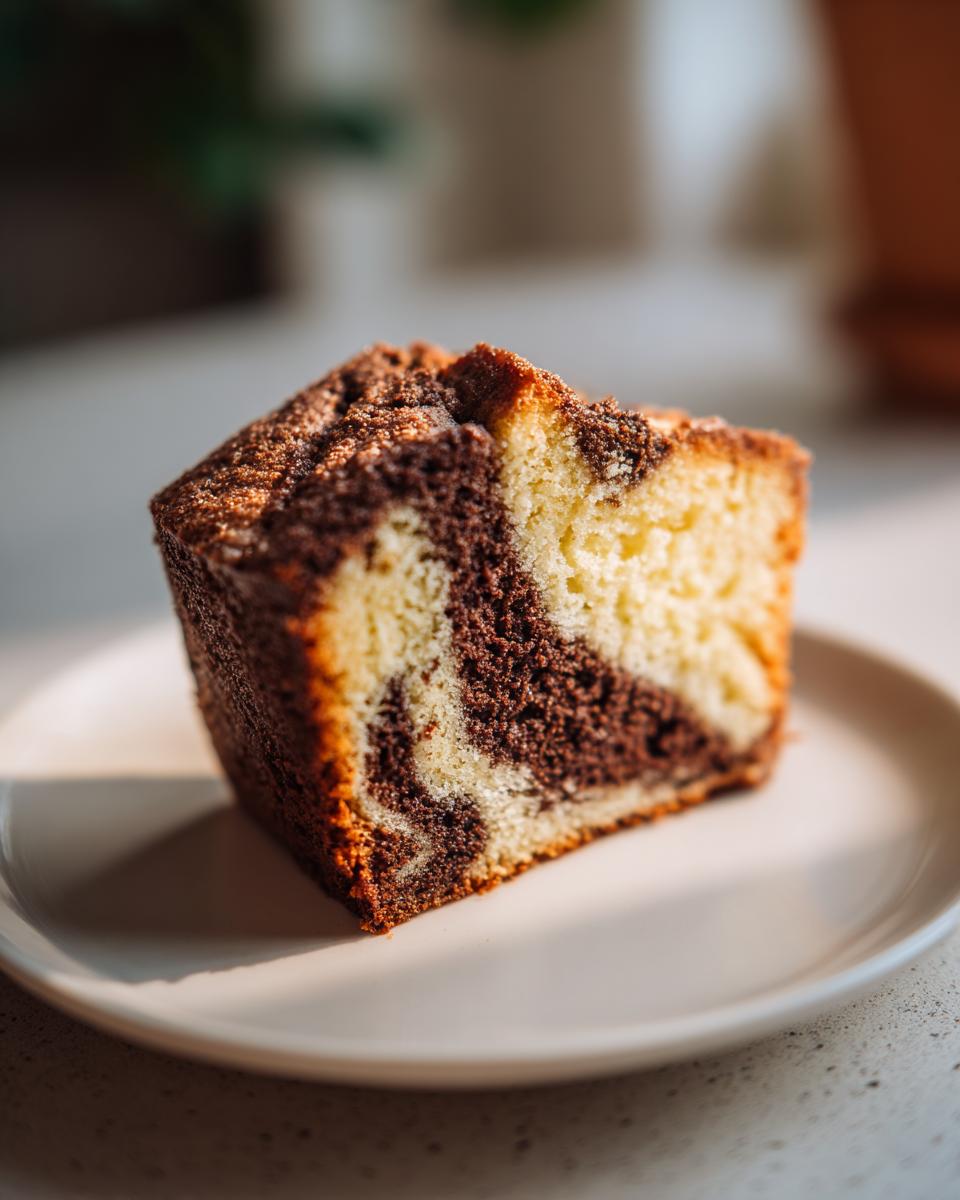
Alright, the batter is ready, the swirl is set—now we have to be patient! For the absolute best results with your german marble cake, you need to preheat your oven accurately to 350°F (which is 175°C). Getting that temperature right is key to everything, especially avoiding that dreaded sinking middle.
When it comes to time in the oven, plan for 50 to 60 minutes. But listen, pan size matters a tiny bit here. If you’re using a deep Bundt pan, it might lean toward the full 60 minutes because the heat has further to travel to the center. If you used a standard 9×5 inch loaf pan, you might be done closer to that 50-minute mark.
Here is my personal rule for checking doneness: forget setting a timer and walking away. You need to check it! Start peeking around the 45-minute mark. Use a thin wooden skewer—not a toothpick, those bend!—and stick it right into the center. If it comes out clean, or with just a few tiny, moist crumbs clinging to it (not wet batter, remember?), then your cake is done! It should already have pulled away slightly from the edges of your pan when it’s perfectly baked.
Tips for Success with Your Traditional German Coffee Cake
Even with the perfect recipe, sometimes baking throws us a curveball, right? But trust me, the major pitfalls with this german marble cake—like sinking or drying out—are easily preventable if you keep a few things in mind from my experience and Sarah’s notes. We want this to be a masterpiece destined for your next coffee time!
First, let’s talk about preventing that sinking feeling, literally! The biggest baking disaster for a bundt or loaf cake is opening that oven door too early. That drastic temperature change confuses the structure while it’s still developing. My rule, just like the one Sarah suggests, is absolutely NO PEEKING until you hit that 40-minute mark. If you can wait until 45 minutes, even better. This allows the rise to set properly and keeps your beautiful swirl intact.
To keep your traditional German coffee cake wonderfully moist, make sure you’re not skipping that cooling step. It seems boring, but it’s essential. Let it rest in the pan for 10 minutes after it comes out of the oven. This brief rest allows the cake to firm up just enough so it won’t collapse when you turn it out.
Once you invert it onto the wire rack, let it cool completely before slicing, especially if you plan to glaze it. A warm cake will melt a glaze right off, or worse, steam itself to a slightly soggy texture. If you’re worried about sticking or breakage, you can review the best tips for safe baking right over on our Privacy Policy page, which covers our general kitchen safety habits!
Ultimately, following the timing and temperature exactly, and giving your cake time to cool patiently, will guarantee a tender, perfectly baked german marble cake every time you try this recipe.
Serving Suggestions for This Easy German Bundt Cake
Once your beautiful two-tone creation is completely cool—and believe me, resisting the urge to slice it while warm is half the battle!—it’s time to think about how to serve it. This cake really shines on its own during what the Germans call Kaffee und Kuchen, or coffee and cake time.
The most traditional presentation for this easy German bundt cake is honestly the simplest: just a light dusting of powdered sugar over the top. You get a lovely visual contrast against the dark and light swirls peeking through. It keeps things elegant and fuss-free, which is exactly how I like my baking!
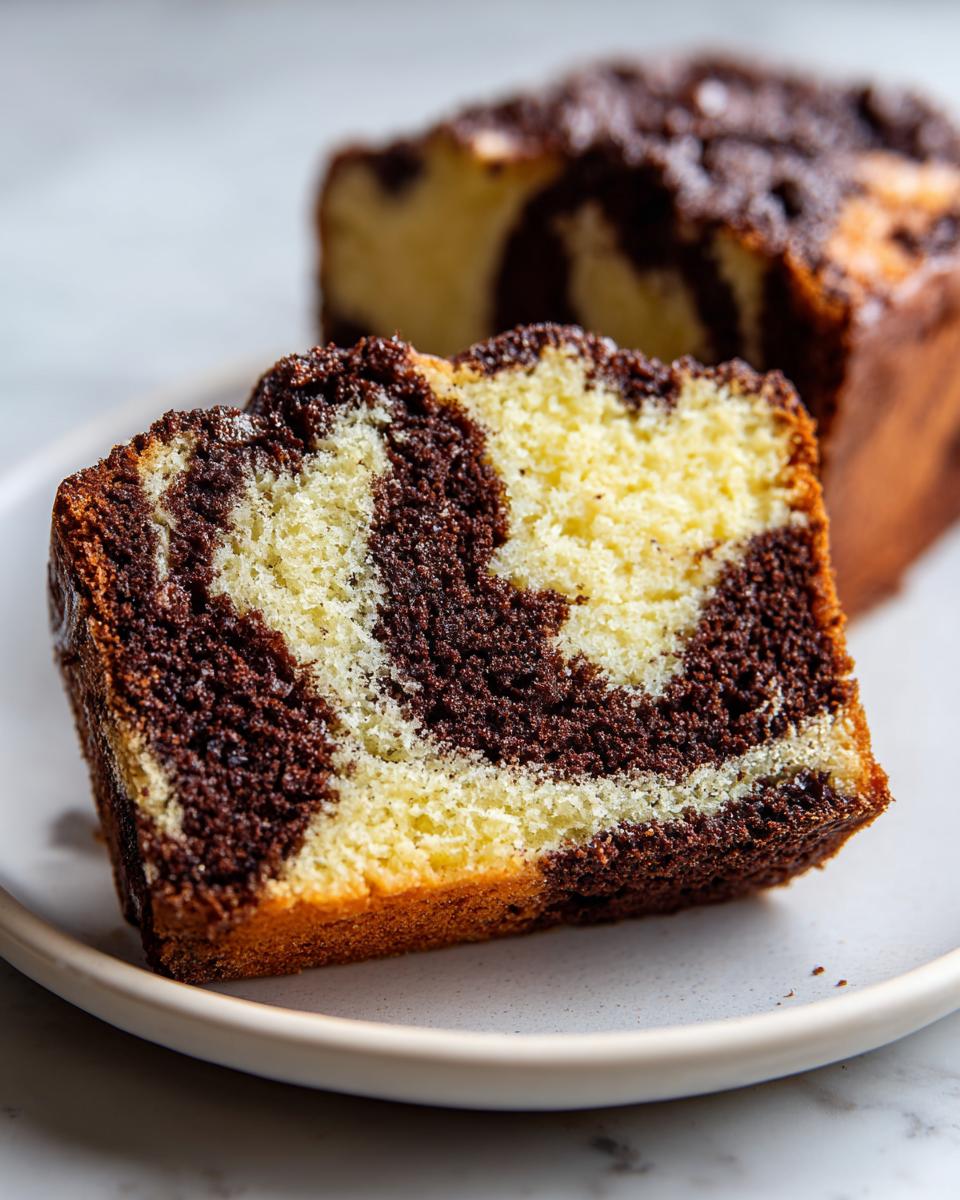
However, if you want a little pop of brightness to cut through that buttery richness, a simple glaze is fantastic. I’m not talking about a heavy frosting; just something light and tangy. You can whip up a quick lemon glaze by whisking together powdered sugar with a bit of fresh lemon juice or even some water. The citrus brightens everything up beautifully. I actually have a recipe for a super refreshing homemade lemonade that uses fresh citrus, and you can use similar juices for a beautiful topping glaze!
These simple toppings turn this lovely loaf into a perfect Bavarian coffee time cake that feels special enough for company but is easy enough for a random Tuesday afternoon treat. Just slice it thick, grab your favorite coffee mug, and enjoy that perfect swirl!
Storage and Reheating Instructions for Moist German Marble Cake
Baking a gorgeous german marble cake means you want it to last, right? Since this cake is designed to be wonderfully moist, storing it correctly is key to enjoying those leftovers for a few days. Good news: this cake keeps incredibly well, provided you treat it right!
My personal preference, and I think this is true for most simple loaf cakes, is to keep the cake at room temperature for as long as possible. You don’t want to chill this buttery goodness in the fridge unless you absolutely have to. Cold temperatures can make the texture firm up a bit too much, dulling that perfect crumb we worked so hard to achieve.
When you’re ready to store your moist two tone cake, make sure it’s completely cool first—I cannot stress this enough! If you wrap it warm, you trap condensation, which leads to sogginess. Once totally cool, wrap the loaf or slices tightly in plastic wrap first. Then, place that wrapped cake into an airtight container. This double layer defense keeps air out and moisture in.
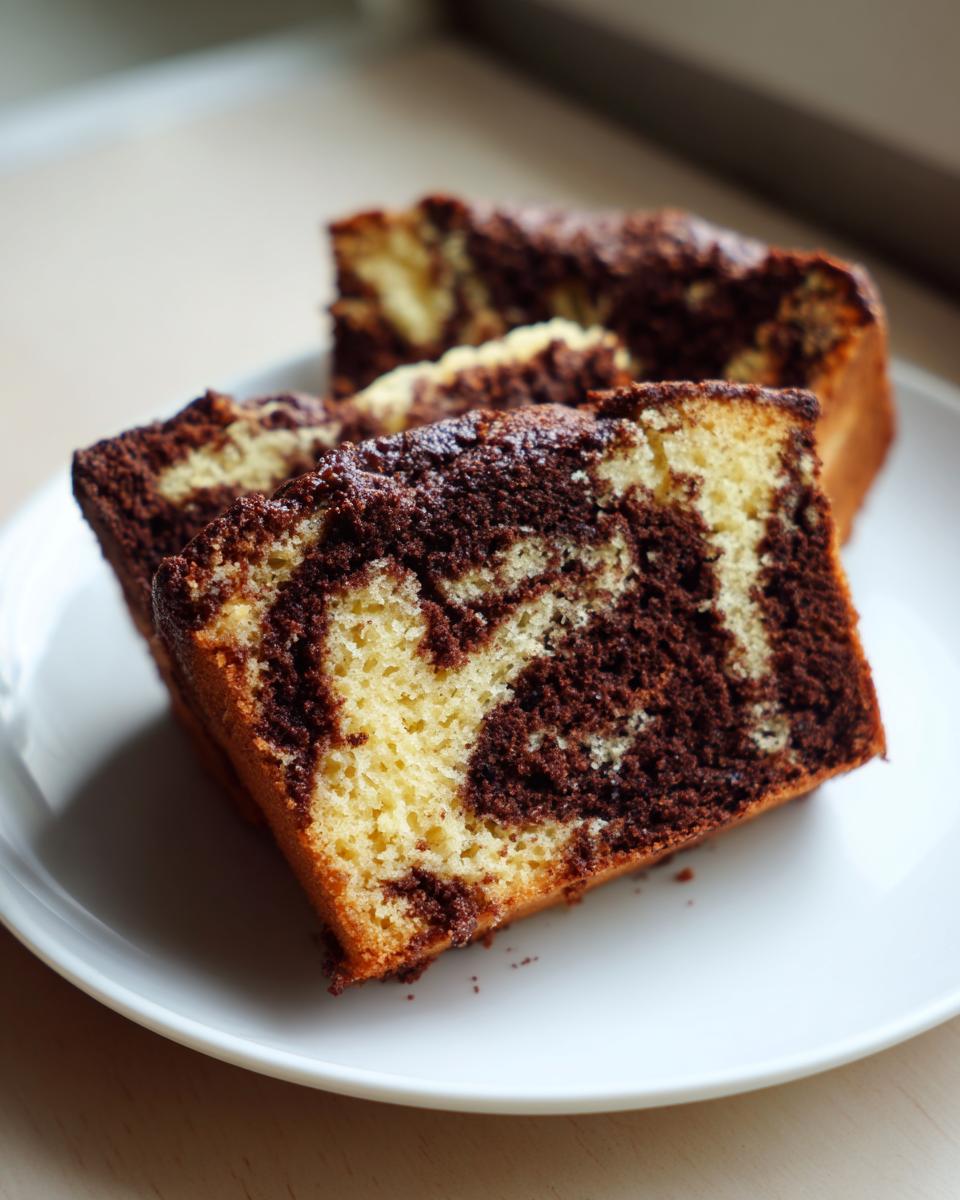
You can expect your german marble cake to stay delicious and tender on the counter for three to four days. If your kitchen is super hot or humid, or if you know you won’t finish it within four days, then the fridge is okay. But if you do refrigerate it, try to take out the slices you want to eat about an hour before serving so they can come back to room temperature. That little bit of warming time totally revives the flavor and texture!
If you’ve frozen slices (which is great for later!), thaw them on the counter overnight. Honestly, I’ve found reheating single slices for about 10 seconds in the microwave makes them taste freshly baked all over again!
Frequently Asked Questions About German Baking Recipes
I always find folks have a few questions circling after they finish reading through all the details, particularly when dealing with a recipe inspired by old-world methods! It’s totally normal. We want every single bake to be a success. Here are some of the most common things I hear about this delightful cake. If you’re looking for more ideas that bring that comforting flavor home, check out our wider collection of comfort food recipes.
Can I use different pans for this German marble cake recipe?
Yes, you absolutely can! The recipe is absolutely fantastic in the traditional 9×5 inch loaf pan, which gives you that nice tall slice, or in a standard 10-cup Bundt pan—which is really pretty too, once you dust it with sugar. The key to remember is that the deeper the pan, the longer it needs to bake. If you were to try it in a springform pan, it might cook faster, but honestly, the springform is a little less traditional for a classic Authentic Marmorkuchen. Stick to the loaf or Bundt for the best structure!
What makes this a classic German pound cake versus a standard American marble cake?
That’s a great observation! The main difference often comes down to density and slight differences in technique. While this recipe shares that rich, butter-based start with a classic German pound cake, many American recipes tend to lean fluffier, sometimes using all butter or relying heavily on chemical leaveners for height. Our Marmorkuchen leans a tiny bit more toward that lovely, denser texture—it’s substantial enough to hold up beautifully when served plain alongside coffee, which is the hallmark of traditional Central European baking.
How do you prevent the cake from sinking in the middle?
Sinking usually happens when the structure isn’t set before you remove it from the heat, or if you’ve overworked the batter. My biggest advice is patience! Make sure your initial creaming stage is thorough, as that’s where the rise starts. More importantly, do not open the oven door for at least the first 40 minutes. A sudden draft of cool air causes the rising batter to collapse in the center. If you’ve followed the instructions and used the skewer test, your cake won’t sink!
Can I substitute the milk in this German marble cake recipe?
Oh yes, and I highly recommend it if you want an ultra-moist piece of cake! We mentioned this as a tip, but it’s worth repeating. If you use plain yogurt or sour cream instead of the milk, you introduce acidity and fat that tenderizes the crumb beautifully. It’s a wonderful way to make this fit right into the category of a simple yogurt marble cake. Just make sure the yogurt or sour cream is room temperature, too, so it incorporates smoothly with the other wet ingredients!
Share Your Simple Chocolate Vanilla Marble Loaf Experience
Well, that’s it! You’re officially ready to bake the most satisfying simple chocolate vanilla marble loaf I know. Now, I absolutely love hearing how your bakes turn out! Did the swirl come out perfect? Let me know what you thought in the comments section below.
Once you’ve had a chance to enjoy a slice, please leave a rating for this german marble cake recipe. And if you snapped a picture of your beautiful loaf, share it on social media and tag us so we can admire your work! We love seeing the HearthBite community create beautiful memories. You can find more easy-to-make recipes like this one over on our easy breakfast recipes page when you’re ready for your next baking adventure!
PrintAuthentic German Marble Cake (Marmorkuchen)

Make a moist and dense German Marble Cake using this reliable recipe. You will achieve a perfect two-tone swirl effect for a classic coffee time treat.
- Prep Time: 20 min
- Cook Time: 60 min
- Total Time: 80 min
- Yield: 10 servings 1x
- Category: Dessert
- Method: Baking
- Cuisine: German
- Diet: Vegetarian
Ingredients
- 1 cup (225g) unsalted butter, softened
- 1 cup (200g) granulated sugar
- 1 teaspoon vanilla extract
- 4 large eggs
- 2 cups (250g) all-purpose flour
- 1 teaspoon baking powder
- 1/2 teaspoon salt
- 1/2 cup (120ml) milk
- 1/4 cup (60g) unsweetened cocoa powder
- 2 tablespoons hot water
- 1 tablespoon granulated sugar (for chocolate batter)
Instructions
- Preheat your oven to 350°F (175°C). Grease and flour a 9×5 inch loaf pan or a 10-cup Bundt pan.
- In a large bowl, cream the softened butter and 1 cup of sugar until light and fluffy. Beat in the eggs one at a time, mixing well after each addition. Stir in the vanilla extract.
- In a separate bowl, whisk together the flour, baking powder, and salt. Gradually add the dry ingredients to the wet ingredients, alternating with the milk, mixing just until combined. Do not overmix.
- Remove about one-third of the batter and place it in a separate bowl.
- To the remaining two-thirds of the batter, sift in the cocoa powder and mix until just combined. In a small cup, dissolve the remaining 1 tablespoon of sugar into the 2 tablespoons of hot water, then stir this mixture into the chocolate batter. This creates a richer color and flavor.
- Spoon alternating dollops of the vanilla and chocolate batters into your prepared pan.
- Take a knife or a skewer and gently run it through the batter in an ‘S’ pattern several times to create the marble swirl effect. Do not over-swirl, or the colors will blend completely.
- Bake for 50 to 60 minutes, or until a wooden skewer inserted into the center comes out clean.
- Let the cake cool in the pan for 10 minutes before inverting it onto a wire rack to cool completely.
Notes
- For a very moist cake, you can substitute sour cream or plain yogurt for the milk.
- If you prefer a simple glaze, whisk together 1 cup of powdered sugar with 2-3 tablespoons of lemon juice or milk and drizzle over the cooled cake.
- To prevent the cake from sinking, avoid opening the oven door during the first 40 minutes of baking.
Nutrition
- Serving Size: 1 slice
- Calories: 320
- Sugar: 25g
- Sodium: 180mg
- Fat: 18g
- Saturated Fat: 11g
- Unsaturated Fat: 7g
- Trans Fat: 0.5g
- Carbohydrates: 35g
- Fiber: 1g
- Protein: 5g
- Cholesterol: 85mg